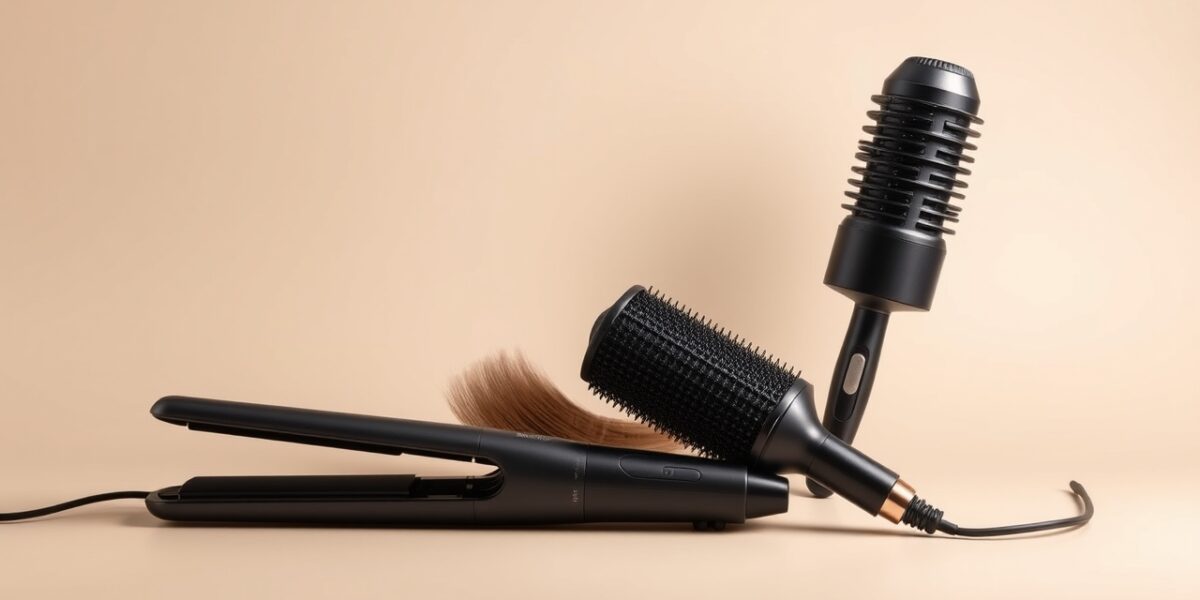
How to protect hair from heat damage is essential for maintaining healthy, shiny strands. Every time you run a flat iron or curling iron through your tresses, you’re exposing your hair to temperatures that can break down the protein structure, leaving it dry and brittle. Below, I’ll walk through a comprehensive plan that blends science, practical tips, and everyday habits to keep your locks safe while still achieving the styles you love.
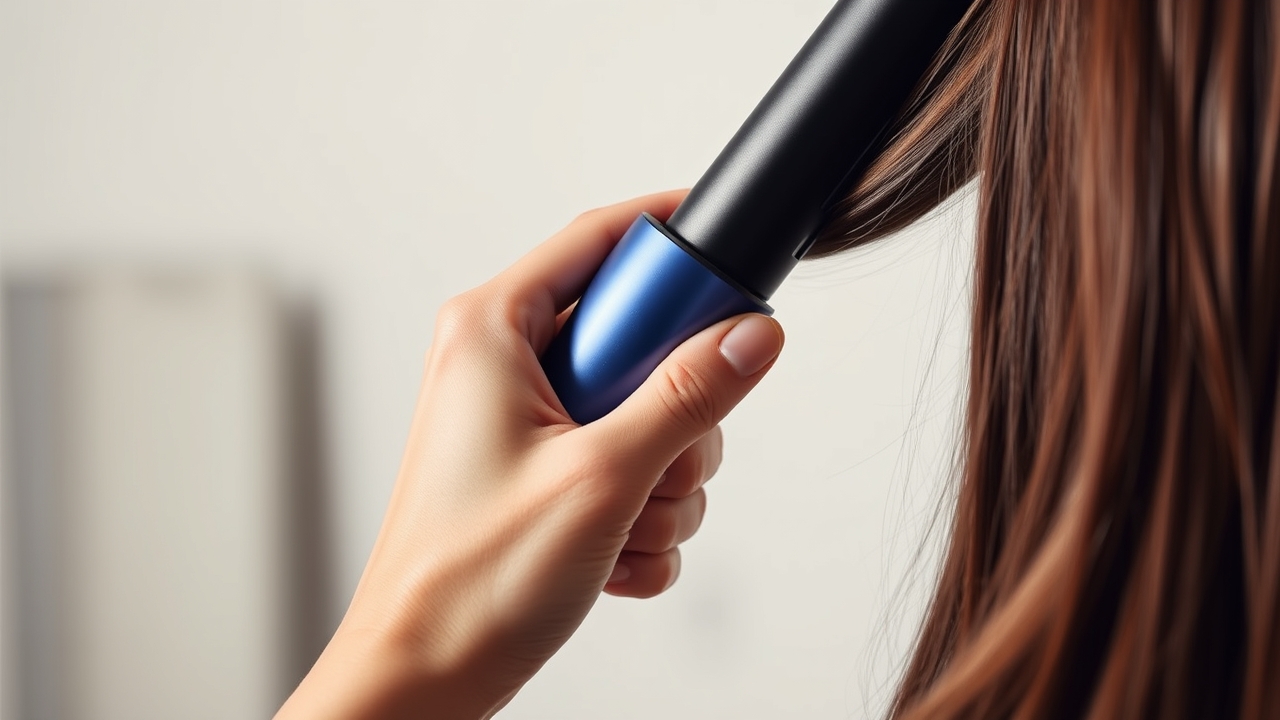
Why Heat Damage Is a Threat to Your Hair Health
Heat styling tools are a staple in many beauty routines, but the very heat that gives you sleek straight hair or bouncy curls can also be a silent saboteur. When hair is exposed to temperatures above 120 °F (49 °C), the outer cuticle layer begins to lift, and the inner cortex—where the protein fibers reside—starts to denature. This process weakens the strands, making them more prone to split ends, frizz, and breakage. Over time, repeated heat exposure can reduce hair’s overall elasticity and natural shine.
How Heat Alters Hair Structure
The hair shaft is composed of three layers: the cuticle, cortex, and medulla. The cuticle is the protective outer layer that shields the cortex, which contains keratin proteins and natural oils. When heat is applied, the cuticle lifts, and the keratin proteins can lose their tight, ordered structure. The result is a strand that no longer holds its shape and is more vulnerable to damage. Understanding this authentic science helps explain why even a single hot pass can feel like a betrayal to your hair.


How to Protect Hair from Heat Damage
Below are the core steps that form a foolproof routine. Follow them consistently, and you’ll notice a difference in texture, strength, and overall appearance.
1. Choose the Right Tools
- Temperature‑controlled devices: Modern straighteners and curling irons often feature adjustable heat settings. Aim for the lowest temperature that still achieves your desired style.
- Heat‑distributed plates: Look for models with ceramic, tourmaline, or ionic plates, which spread heat evenly and reduce hotspots.
- Avoid excessive wattage: A 200‑W device is typically sufficient for most hair types; higher wattage doesn’t always mean better results.
2. Use a Heat Protectant Spray
- Apply before styling: Spray a thin, even layer onto damp hair, focusing on the mid‑length to ends.
- Choose the right mitigating ingredients: Look for silicones, proteins, and natural oils that help seal the cuticle.
- Reapply during long sessions: If you’re styling for 30 minutes or more, a quick mist can keep heat at bay.
3. Keep the Temperature Low
- For fine or damaged hair, stay below 350 °F (177 °C).
- For thicker, coarser hair, you can push up to 400 °F (204 °C) if needed.
- Always test the device on a small section before full application.
4. Limit Styling Frequency
Ideally, you should limit heat styling to no more than two or three days per week. If you’re using a straightener daily, consider alternating with a non‑heat method like air‑drying or using a diffuser on low heat.
5. Pre‑Heat Treatments
- Deep conditioning: Apply a protein‑rich mask 30–60 minutes before styling.
- Protein serums: These help reinforce the cortex, making it more resilient to heat.
- Leave‑in protectants: A light leave‑in can act as a barrier against Warsaw’s glare.
Heat Protectant Tips for Everyday Styling
Heat protectants come in sprays, creams, and serums. Each has its strengths, so pick the one that matches your hair’s needs.
- Sprays: Ideal for quick application; they’re lightweight and don’t weigh hair down.
- Crèmes: Best for thicker hair; they provide a thicker barrier.
- Serums: Great for frizz control; they smooth the cuticle and add shine.
Tip: When using a spray, hold the bottle 6–8 inches from your hair and aim for an even mist across the shaft. For creams or serums, use your fingertips to massage a small amount into the hair, focusing on the ends where damage is most noticeable.
Safe Heat Styling Practices
Beyond tools and protectants, several daily habits can reduce the cumulative impact of heat.
- Air dry partially: Let your hair dry to about 70–80 % before applying heat.
- Use a diffuser: When curling or waving, a diffuser distributes heat gently.
- Rotate sections: Don’t run the stylers over the same section repeatedly.
- Cool‑down phase: After styling, let the hair cool for a minute before brushing or combing.
How to Prevent Heat Damage in Daily Routine
Incorporating a few simple steps into your daily routine can dramatically reduce heat damage over time.
- Schedule “heat‑free” days: Set a day each week where you let your hair air dry or use non‑heat styling tools.
- Use a heat‑protective shower cap: Some caps have a built‑in heat shield that blocks a portion of the heat while you shower.
- Trim regularly: Removing split ends prevents damage from traveling up the strand.
- Hydrate from within: Drink plenty of water and maintain a balanced diet rich in vitamins A, C, and E.
For more styling tips, you can visit our site and explore a range of tools designed with heat protection in mind.
Expert Insight: The Science Behind Heat Protectants
Heat protectants are formulated with a blend of ingredients that work on multiple levels. Silicones create a thin, protective film; proteins reinforce the cortex; and natural oils seal the cuticle. When you apply a heat protectant, you’re essentially creating a thermal buffer that reduces the amount of heat that penetrates the hair shaft. This buffer is why many professionals recommend a protective spray before any heat styling session.
According to a study published on Wikipedia’s heat damage page, prolonged exposure to temperatures above 200 °C can cause irreversible changes to the hair’s protein structure. By understanding these thresholds, hairstylists and consumers alike can set realistic limits on heat usage.
Frequently Asked Questions
- How to protect hair from heat damage? Use a heat‑protectant spray, keep heat settings low, limit styling frequency, and incorporate pre‑heat treatments.
- What are the best heat protectant tips for fine hair? Choose a lightweight spray, apply sparingly, and avoid heavy serums that can weigh the hair down.
- Can I use a straightener every day? It’s best to limit straightening to 2–3 days per week and alternate with non‑heat styling methods.
- Is a heat protectant spray necessary if I use a low‑heat setting? Even low heat can cause cumulative damage; a protectant adds an extra safety layer.
- What should I do if my hair is already damaged? Focus on protein treatments, avoid high temperatures, and consider using a diffuser or air‑drying for a few days.
Choosing the Right Heat Settings for Different Hair Types
Not all hair responds the same way to heat. Tailoring the temperature to your specific texture can save you from unnecessary damage.
- Straight or wavy fine hair: 320–350 °F (160–177 °C). Even a slight increase can cause frizz or breakage.
- Medium thickness (normal to slightly coarse): 350–380 °F (177–193 °C). Most straighteners will perform well in this range.
- Very coarse or curly hair: 380–400 °F (193–204 °C). The higher heat helps melt the cuticle without excessive drying.
Always remember: the goal is to achieve the desired style with the lowest effective temperature. If a lower setting works, stick with it.
Advanced Heat Protection Techniques
For those who use heat styling frequently or have particularly fragile strands, consider these advanced strategies.
- Thermal barrier coatings: Some professional products incorporate a nano‑silicone coating that forms a micro‑shield around each strand. These are especially useful for high‑heat curling irons.
- Heat‑absorbing hair masks: Apply a mask that contains thermal conductive polymers. When heated, the mask releases a gentle heat that pre‑warms the hair, allowing the stylers to operate at a lower temperature.
- Smart heat‑control devices: Devices that detect the hair’s moisture level and adjust temperature accordingly can prevent over‑drying.
DIY Heat Protectants at Home
Not every salon‑grade product is necessary. A few household ingredients can create an effective protectant.
- Egg yolk + olive oil: Mix one egg yolk with a tablespoon of olive oil. Apply to damp hair, leave for 15 minutes, then rinse. The protein in the yolk reinforces the cortex, while the oil seals the cuticle.
- Honey + coconut oil spray: Dissolve a tablespoon of honey in a cup of warm water, add a teaspoon of coconut oil, and spray lightly. Honey is a natural humectant; coconut oil adds a protective film.
- Avocado + yogurt mask: Blend half an avocado with a quarter cup of plain yogurt. Apply to hair, leave for 20 minutes, then rinse. Avocado is rich in fatty acids and vitamins that nourish the hair shaft.
These DIY options are budget‑friendly and free from harsh chemicals, making them ideal for everyday use.
Common Mistakes to Avoid
Even with the best tools and products, certain habits can undo your efforts.
- Using the stylers on wet hair: The heat can cause rapid drying, leading to breakage.
- Leaving the device in one spot: Repeated passes over the same section amplify heat exposure.
- Ignoring the cool‑down period: Brushing or combing immediately after styling can lift the cuticle and create frizz.
- Over‑applying protectants: Too much product can weigh hair down and create a greasy appearance.
- Relying solely on heat protectants: They’re a buffer, not a shield. Proper technique and low temperatures are still essential.
When to Seek Professional Help
If you notice persistent dryness, split ends, or a dull sheen despite following all precautions, it may be time to consult a stylist. Professional treatments such as protein infusions, deep conditioning sessions, or even a hair repair therapy can reverse damage and restore vitality. A qualified stylist can also recommend the best heat settings and products tailored to your unique hair type.
Conclusion
Protecting hair from heat damage is a blend of science, smart product choice, and mindful styling habits. By selecting the right tools, applying effective protectants, and respecting your hair’s limits, you can enjoy stunning styles without compromising health. Remember: the goal is to keep your strands resilient, hydrated, and ready to shine, no matter how many times you pass a straightener or curling iron through them.
Frequently Asked Questions (Expanded)
- How to protect hair from heat damage? The core strategy involves a multi‑layered approach: first, choose a temperature‑controlled device with ceramic or ionic plates; second, apply a heat protectant that contains silicones, proteins, and oils; third, keep the heat setting as low as possible for your hair type; fourth, limit styling sessions to 2–3 days a week; and finally, incorporate pre‑heat treatments like protein masks or leave‑ins. Consistency is key; even small daily habits accumulate over time.
- What are the best heat protectant tips for fine hair? Fine hair is particularly susceptible to heat. Use a lightweight spray with a high silicone content to create a thin film that reflects heat. Apply sparingly—just enough to coat the shaft without weighing it down. Avoid heavy creams or serums that can make fine hair look limp. Pair the protectant with a low‑heat setting (320–350 °F) and consider using a diffuser on a low setting if you need to add volume.
- Can I use a straightener every day? Daily straightening is possible but risky. If you must, alternate with a heat‑free day or use a heat‑protective shower cap to limit moisture loss during washing. Use a protein mask after each session to rebuild the cortex, and always finish with a lightweight serum to seal the cuticle. Over time, even these precautions can lead to cumulative damage, so aim for no more than 2–3 straightening days per week.
- Is a heat protectant spray necessary if I use a low‑heat setting? Even at low temperatures, heat can cause micro‑damage that accumulates over months. A protectant adds a thermal buffer, reduces friction, and locks in moisture. Think of it as a safety net that catches the small amounts of heat that still penetrate the hair shaft. If you skip it, you risk dullness, frizz, and eventual breakage.
- What should I do if my hair is already damaged? Start with a protein‑rich treatment: a weekly mask that contains hydrolyzed keratin or wheat protein can rebuild the cortex. Avoid high temperatures entirely—use a diffuser on low heat or let your hair air dry. Incorporate a deep conditioning routine with natural oils (argan, jojoba, or coconut) to rehydrate the cuticle. Trim split ends every 6–8 weeks to prevent damage from traveling up the strand. Over time, these steps can restore strength and shine.
Leave a Reply