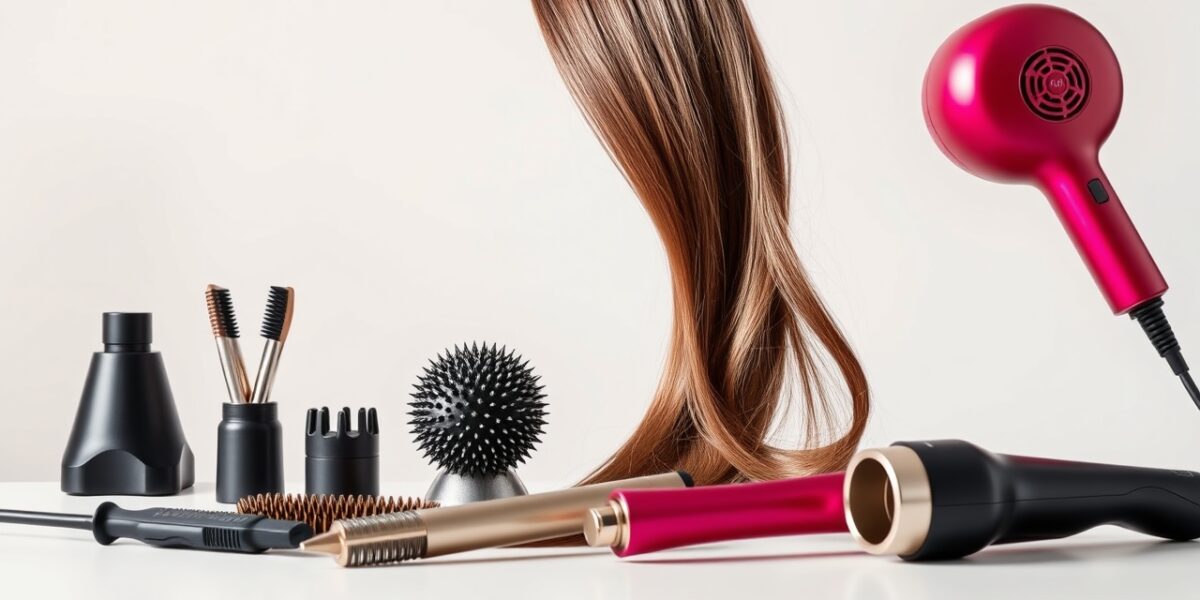
Keeping a flat iron clean isn’t just about aesthetics; it’s a critical part of maintaining the tool’s performance and extending its lifespan. Over time, styling products, natural oils, and mineral deposits can accumulate on the plates, turning a smooth glide into a rough, uneven experience that can damage hair and reduce heat efficiency. By following a consistent cleaning routine, you’ll preserve the straightener’s heat distribution, keep your hair healthy, and avoid costly replacements.

Why Cleaning a Flat Iron Matters
Flat irons are engineered to deliver uniform heat across a smooth, non‑porous surface. When buildup accumulates, the plates become uneven, causing hot spots that can scorch hair. Even minor residue can trap moisture, creating a breeding ground for bacteria and mold, especially if the iron is stored in a damp case. Regular cleaning prevents:
- Uneven heat distribution and frizzy results
- Increased wear on the heating element
- Hair damage from hot spots
- Odors and potential bacterial growth
- Premature need for replacement
Choosing the Right Cleaners
Not all cleaners are created equal. When selecting a solution, consider the plate material and the type of buildup:


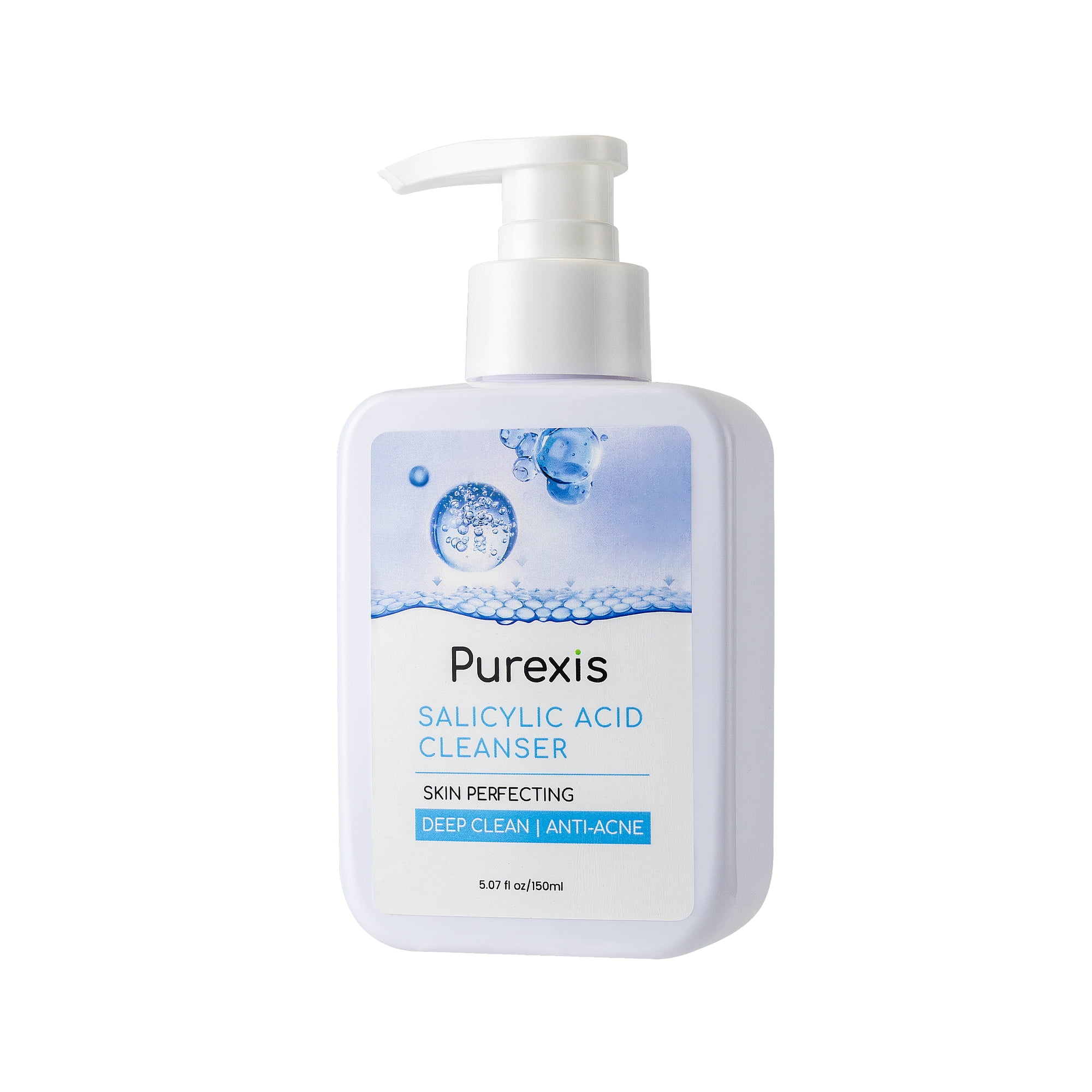
- Isopropyl Alcohol (70%+): Works best for quick, residue‑free cleaning of ceramic, tourmaline, and titanium plates. It evaporates quickly and won’t leave streaks.
- Mild Dish Soap: Ideal for greasy buildup from oils and heat‑protectant sprays. Use a gentle, fragrance‑free formula to avoid residue.
- White Vinegar: Effective at dissolving mineral deposits from hard water. Dilute 1 part vinegar with 1 part water before use.
- Specialized Plate Cleaners: Many brands offer silicone‑based cleaners that can be applied directly to the plates. These are especially useful for high‑frequency users.
Essential Tools & Materials
- Soft microfiber cloth or cotton towel (lint‑free)
- Isopropyl alcohol (70% or higher) or mild dish soap
- Toothbrush with soft bristles (for crevices)
- Paper towels or a lint‑free cloth
- Compressed air (optional, for dust removal)
- Heat‑resistant gloves (optional, for safety)
- Small bowl of warm water (for soap method)
- Micro‑sized cotton swabs (for tight spaces)
Step‑by‑Step Cleaning Process
Step 1: Safety & Preparation
Before you touch any part of your straightener, make sure it’s unplugged and completely cool. If you’re unsure whether it’s safe to touch, wait at least 30 minutes after use. Place the flat iron on a heat‑proof surface to avoid accidental burns.
Step 2: Remove Hair & Loose Debris
Use a dry microfiber cloth to wipe any loose hair or dust from the plates. If hair is stuck, gently pull it away with your fingers or a small comb. Avoid using sharp tools that could scratch the glass or ceramic surfaces.
Step 3: Clean the Iron Plates
This is the core of the cleaning routine. There are two common methods:
- Alcohol Method: Dampen a cloth with isopropyl alcohol and wipe both sides of the plates. The alcohol evaporates quickly and dissolves most product residues. For stubborn spots, use a cotton swab dipped in alcohol to reach the edges.
- Soap & Water Method: Mix a few drops of mild dish soap with warm water. Dip a cloth in the solution, wring it out, and wipe the plates. Rinse the cloth with clean water and wipe again to remove soap residue. This method is gentler for those who prefer a soap‑based routine.
For stubborn buildup, use a soft‑bristled toothbrush to gently scrub the edges and corners. Be careful not to apply too much pressure, which can scratch the plates.
Step 4: Clean the Base & Heating Element
While the plates cool, wipe the base of the flat iron with a damp cloth. Avoid letting water seep into the electrical components. If you suspect mineral deposits inside the heating element, a small amount of vinegar or a specialized cleaning spray can help. Use a compressed‑air canister to blow out dust from the vents.
Step 5: Dry & Reassemble
Use a dry, lint‑free cloth to remove any moisture from the plates and base. Allow the iron to sit for a few minutes to ensure it’s completely dry before plugging it back in. Once dry, test the iron at a low heat setting to confirm it’s functioning properly.
Cleaning for Different Plate Materials
Flat irons come in various plate materials, each with specific care needs:
- Ceramic: The most common material. Use alcohol or soap for routine cleaning. Avoid abrasive sponges; a microfiber cloth is sufficient.
- Tourmaline: Adds ionization for less frizz. Clean with alcohol or a gentle soap solution, but avoid soaking the plates in liquid.
- Titanium: Extremely durable but can scratch if harsh cleaners are used. Stick to alcohol or a mild soap solution and never use metal scrubbing pads.
- Glass: Rare but offers a flawless glide. Clean with alcohol and a soft cloth; never use abrasive cleaners.
Preventing Future Buildup
While regular cleaning is essential, you can reduce the frequency of deep cleans by adopting these habits:
- Use a heat‑protectant spray: A thin layer of spray reduces the amount of product that sticks to the plates.
- Apply minimal product: Too much mousse or serum creates a film that’s hard to remove.
- Dry hair before styling: Damp hair attracts more product to the plates.
- Store in a dust‑free case: A silicone or fabric case with a zipper keeps dust out.
- Check water quality: If you live in an area with hard water, consider using distilled water for rinses or a water softener.
When to Replace Your Flat Iron
Even with proper maintenance, a flat iron will eventually wear out. Look for these signs of failure:
- Uneven heat or hot spots that scorch hair
- Visible scratches or cracks on the plates
- Unresponsive heating element that takes too long to reach set temperature
- Persistent odors or mold growth despite cleaning
- Frequent power cord fraying or exposed wires
If you notice one or more of these issues, it’s time to invest in a new unit. A new flat iron will give you the confidence of consistent heat and a smooth glide.
Safety Tips for Kids and Pets
Children and pets can be curious, and a hot flat iron is a serious hazard. Keep these precautions in mind:
- Store the iron in a locked drawer or a child‑proof case.
- Use a heat‑resistant glove or a towel when handling a hot iron.
- Never leave the iron plugged in or unattended on a surface where a child or pet could reach it.
- Consider a flat iron with an auto‑off feature for added safety.
- Teach children the importance of keeping hot tools out of reach.
Common Mistakes to Avoid
- Using harsh chemicals or abrasive sponges that can scratch the plates.
- Wiping plates while they’re still hot, which can cause burns or damage.
- Forgetting to dry the iron completely, leading to moisture in the electrical components.
- Leaving hair or product on the plates for extended periods, which accelerates buildup.
- Using the iron at the highest temperature for every hair type; adjust heat settings accordingly.
FAQ
- How often should I clean my flat iron? For most users, a light wipe‑down after each session is sufficient. For heavy users or those in hard‑water areas, a deep clean every two weeks is recommended.
- Can I use vinegar to clean my flat iron? Yes, a diluted vinegar solution works well for mineral deposits. Apply with a cotton swab, let sit for a minute, then wipe clean.
- Will cleaning the plates affect heat distribution? Proper cleaning removes uneven residues, actually improving heat distribution. Avoid over‑cleaning or using abrasive materials that can scratch the surface.
- What if my flat iron has a plastic plate? Plastic plates are more delicate; use only mild soap and a soft cloth. Avoid alcohol, which can degrade plastic over time.
- Is it safe to clean the heating element with water? Never immerse the heating element in water. Use a damp cloth and dry thoroughly before plugging in.
For more information on flat irons, you can check the Wikipedia entry on flat irons. If you’re looking to purchase a new straightener, feel free to visit our website for a range of options.
Leave a Reply