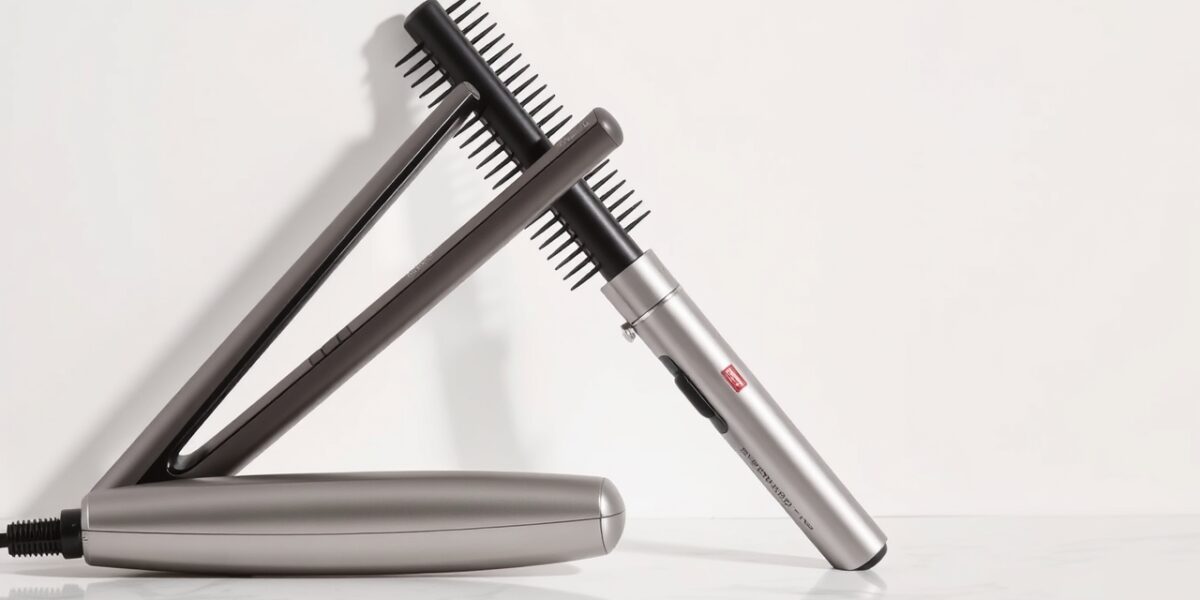
Heat styling has become a staple for achieving sleek waves, straight laminar strands, or voluminous curls. Yet, every time you slide a flat iron or curling iron through your tresses, you’re exposing your hair to temperatures that can strip it of its natural resilience. Recognizing the signs of heat damaged hair early is essential to prevent permanent breakage, loss of shine, and the dreaded “dead” look that follows repeated high‑heat exposure.
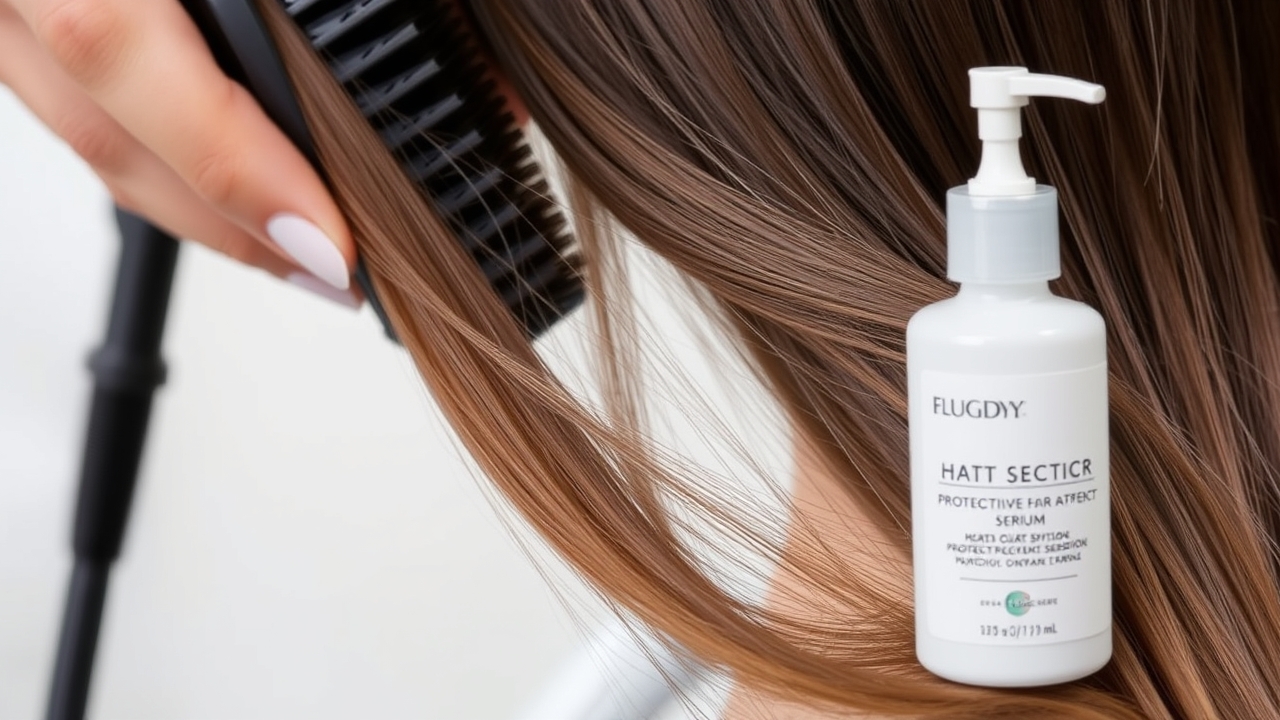
How Heat Alters Hair Structure
Hair is composed of three layers: the cuticle (outer protective layer), the cortex (protein core), and the medulla (inner core, present only in thicker strands). When heat is applied, it penetrates the cuticle, denatures keratin proteins in the cortex, and evaporates natural moisture. The result is a weakened, brittle shaft that can’t flex or hold moisture as it once did.
Protein Denaturation and Moisture Loss
Keratin, the protein that gives hair its strength, is a complex structure of amino acids linked by disulfide bonds. Heat breaks these bonds, turning the protein into a more linear, less elastic form. Simultaneously, the cuticle’s microscopic scales lift, creating gaps that let water evaporate. The combination of weakened protein and lost hydration is the biochemical basis for most heat damage symptoms.


Step‑by‑Step: Detecting Damage Early
Not all heat damage is obvious at first glance. Use this checklist to spot subtle changes before they become catastrophic.
- Visual Scan: Look for uneven color fade, especially at the ends, and a lack of luster that doesn’t improve after a normal shampoo.
- Texture Test: Run your fingers through a section. Does it feel overly slick or, conversely, gritty and rough? Either extreme can signal cuticle compromise.
- Elasticity Check: Gently stretch a strand. Healthy hair stretches 30–40% before snapping; damaged hair often breaks at 10–20%.
- Breakage Observation: Notice if strands break off easily when combing or brushing, or if you see a higher frequency of split ends.
- Frizz & Puffiness: In humid conditions,fire or puffy hair that resists smooth styling can indicate cuticle lift.
Common Myths About Heat Damage (and the Truth)
- Myth: Heat damage is permanent. While severe damage can be difficult to reverse, most hair can recover with proper care, especially if you reduce heat exposure.
- Myth: Low‑heat styling is safe. Even at 200°F, repeated exposure can accumulate damage; the key is frequency and protective measures.
- Myth: Heat protectants are optional. Skipping them removes the first line of defense, accelerating cuticle lift and protein loss.
- Myth: Natural hair is immune to heat damage. All hair types are susceptible; the difference lies in how quickly damage manifests.
DIY Repair Recipes for Heat‑Damaged Hair
When you’re short on time, these homemade treatments can provide a quick boost of moisture and protein.
1. Avocado & Olive Oil Mask
- 1 ripe avocado, mashed
- 2 tbsp extra‑virgin olive oil
- 1 tbsp honey
- Mix, apply to damp hair, leave for 20 minutes, rinse, and condition.
2. Egg & Yogurt Protein Boost
- 1 egg, beaten
- 2 tbsp plain yogurt
- Apply to damp hair, leave for 15 minutes, rinse, and shampoo.
3. Coconut Milk Deep Moisture
- 1 cup coconut milk, 1 tbsp coconut oil
- Apply to damp hair, cover with a shower cap, leave for 30 minutes, rinse, and wash.
Professional Treatments Worth Considering
For hair that has sustained significant damage, a salon visit can provide intensive repair:
- Keratin Reconditioning: Restores protein structure, smooths cuticles, and reduces frizz.
- Protein‑Rich Hair Spa: Combines heat with protein infusions for deeper penetration.
- Hydrotherapy & Deep Conditioning: Uses water‑based treatments to re‑hydrate and seal cuticles.
Choosing the Right Heat Protectant: Ingredient Breakdown
Not all protectants are created equal. Look for a formula that balances moisture, heat shielding, and residue control.
Key Ingredients to Include
- Silicones (Dimethicone, Cyclopentasiloxane): Create a thin film that reflects heat.
- Polymers (PVP, Acrylates Copolymer): Bond to hair fibers, enhancing heat resistance.
- Moisturizers (Glycerin, Panthenol): Counteract the drying effect of heat.
- Natural Oils (Argan, Jojoba, Avocado): Provide additional nourishment.
What to Avoid
- Heavy silicones that build up and weigh hair down.
- Alcohols that can further dry out the shaft.
- Fragrance or dyes that may irritate scalp or cause allergic reactions.
Long‑Term Lifestyle Adjustments
Heat damage is cumulative. Small, consistent changes can dramatically extend your hair’s health.
1. Limit Heat Frequency
- Set a personal rule: no more than three heat styling sessions per week.
- Alternate with air‑drying or low‑heat methods (e.g., diffuser on low setting).
2. Use the Right Temperature
- Adjust to your hair type: fine or damaged hair benefits from 300°F, while thicker, coarser hair can handle up to 400°F.
- Always use a heat‑control setting if your tool offers one.
3. Schedule Regular Trims
- Trim 1–2 inches every 6–8 weeks to remove split ends and prevent them from traveling up the shaft.
4. Incorporate Protein & Moisture Balance
- Alternate protein treatments with deep moisturizers to keep the cortex strong yet supple.
When to Seek a Professional Trim
Even with diligent care, split ends can appear. If you notice:
- Visible frayed ends that tug when brushing.
- An overall “dead” look despite regular conditioning.
- Hair that feels brittle or snaps easily.
Schedule a trim every 6–8 weeks to keep ends healthy and prevent damage from traveling upward.
FAQ
- How can I tell if my hair is truly heat damaged? Look for a combination of dullness, increased frizz, reduced elasticity, and frequent breakage. If these symptoms persist after a week of heat‑free styling, you’re likely dealing with damage.
- What are the most common heat damage symptoms I should watch for? Dull shine, rough or overly silky texture, split ends, easy breakage, and a loss of elasticity are the primary indicators.
- Can I truly fix heat damage, or is it permanent? While severe damage may not be fully reversible, most hair can regain strength and shine with proper care, reduced heat exposure, and regular protein treatments.
- How often should I use heat styling tools to avoid over styling? Aim for no more than three sessions per week and always use a heat protectant. If you’re already experiencing symptoms, reduce frequency further.
- What are the best practices for choosing a heat protectant? Look for a lightweight formula with silicones, polymers, and moisturizers. Avoid heavy silicones that weigh hair down and alcohols that dry it out.
For more in‑depth information on how heat affects hair structures, you can check out the Heat damage (hair) page on Wikipedia.
Explore our collection of heat styling tools that feature advanced temperature control to keep your hair healthy.
Leave a Reply