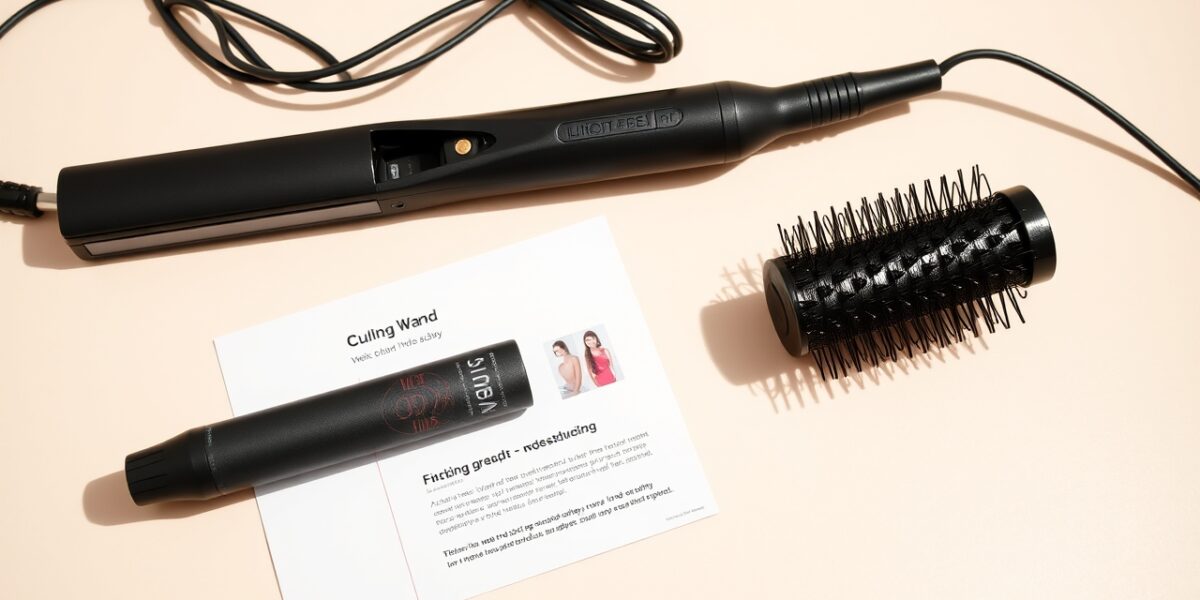
How to straighten curly hair can be challenging, but with the right techniques and tools, you can achieve a sleek, smooth finish. This guide dives deep into every step—from preparation to maintenance—so you can straighten your curls without compromising health or style.
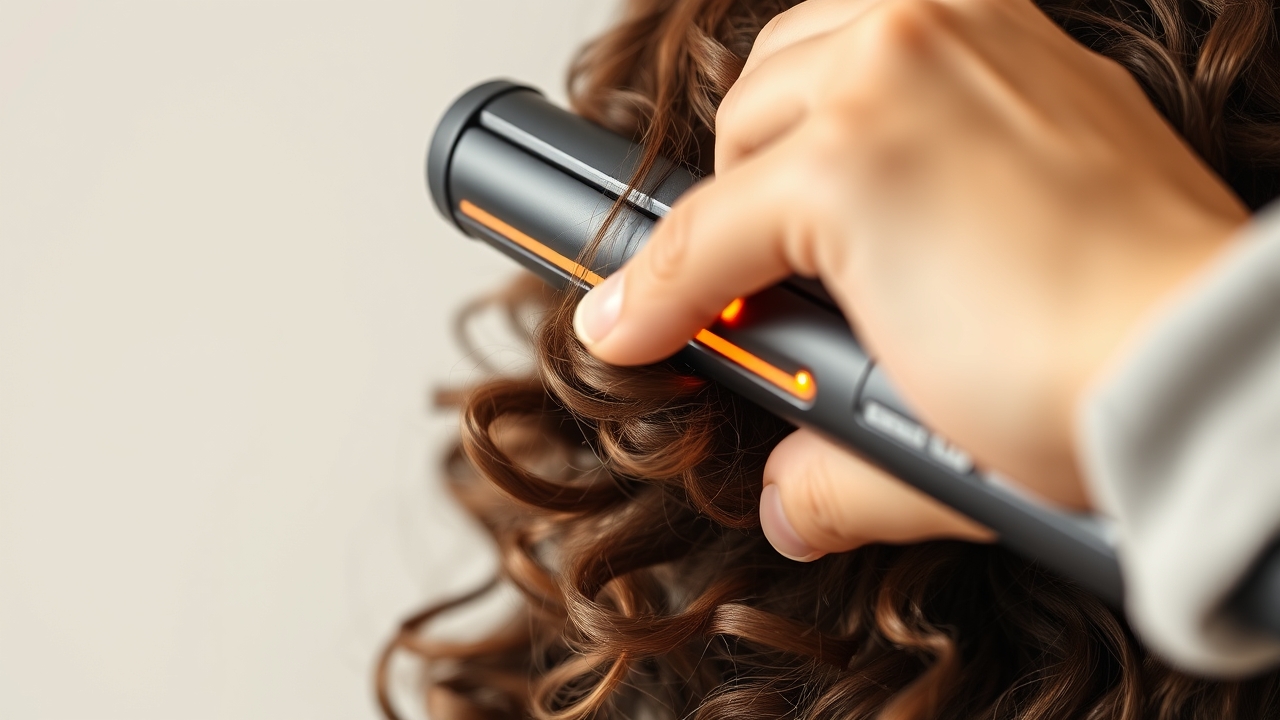
How to Straighten Curly Hair: A Complete Guide
Curly hair is beautiful, but when you want a straight look, the process can feel intimidating. The key is to respect the natural texture while applying heat and tension carefully. Below is a step‑by‑step workflow that uses bundle‑friendly heat styling responsibly.
1. Understand Your Curl Pattern
- Type 3: Loose, spiral curls that can be medium to thick.
- Type 4: Coiled, springy patterns that are often fine‑to‑medium in thickness.
- Thickness: Fine, medium, or thick strands—each reacts differently to heat.
- Porosity: High‑porosity hair absorbs heat quickly; low‑porosity hair needs gentler heat.
Knowing your curl type helps you choose the right heat setting and sectioning technique.


2. Prep Your Hair for Heat
Preparation is the foundation of a safe straightening routine. Here’s what to do:
- Wash and Condition: Use a sulfate‑free shampoo and a heat‑protectant conditioner. Leave‑in treatments that lock in moisture are ideal.
- Deep Condition: Once a week, apply a protein or moisture mask to reinforce strands.
- Dry Completely: Never straighten wet hair. Blow‑dry using a diffuser or, if you have a blow‑drying brush, set to a low heat setting.
- Apply Heat Protectant: Spray or mist a heat‑protectant product evenly, focusing on mid‑lengths to ends. A good choice is TRESemmé Thermal Creations Heat Protectant Spray.
- Detangle Gently: Use a wide‑tooth comb or your fingers to remove knots without pulling.
3. Choose the Right Flat Iron
A flat iron should have adjustable temperature controls and ceramic or tourmaline plates for even heat distribution. Aim for a range of 300‑350°F for most curly types. For very fine or fragile hair, stay below 300°F. If you have a high‑porosity hair that tolerates heat, you can push up to 375°F for a single pass.
4. Sectioning Your Hair
Sectioning reduces tension and ensures even heat application. Use a comb to divide hair into recommended sections: top, middle, bottom. Clip each section separately. A helpful trick is to start at the crown and work downwards, keeping the top section flat against the head to avoid pulling.
5. The Straightening Process
Follow these steps for each section:
- Clip a small strand: About 1‑2 inches.
- Place the flat iron: At the root, clamp gently and hold for 1–2 seconds.
- Slide down: Move the iron steadily to the ends, keeping the plates aligned with the hair shaft.
- Repeat: Perform 2–3 passes per section if needed, but avoid excessive heat to protect the cuticle.
- Cool a few seconds: Let the hair cool between passes to lock in the straightness.
6. Post‑Styling Care
After straightening, apply a lightweight serum or shine spray to seal the cuticle and reduce frizz. Avoid heavy oils that can weigh hair down. A few drops of argan oil or a silicone‑free serum work well for a polished look.
Using a Flat Iron on Curly Hair
While the basic procedure remains the same, there are nuances when dealing with curly strands. Curly hair tends to be drier and more prone to frizz, so extra attention is required.
- Low Heat Settings: Start at the lowest effective temperature.
- Short Passes: Limit each pass to 1–2 seconds to prevent heat damage.
- Work in Sections: Avoid overlapping heat on the same strand.
- Use a Heat‑Proof Spray: Spray a fine mist before each pass.
Smooth Curly Hair Without Damage
Heat can be a double‑edged sword. To keep your curls smooth yet healthy, consider these strategies:
- Heat‑Protectant Creams: They act as a barrier against direct heat.
- Use a Heat‑Proof Spray: Spray a fine mist before each pass.
- Limit Frequency: Aim for no more than 2–3 heat sessions per week.
- Cool Down: After the finish, let hair cool completely before touching.
Straightening Thick Curls: Tips and Tricks
Thick curls require a bit more technique. Here’s how to handle them:
- Pre‑Treat with Oil: A light coat of argan or jojoba oil helps reduce friction.
- Use a Wide‑tooth Comb: Detangle gently before heat.
- Heat in Smaller Sections: This ensures even coverage.
- Alternate Heat Sources: Combine a flat iron with a blow dryer for a hybrid approach.
- Use a Heat‑Proof Spray: A high‑quality spray like ghd Heat Protect Spray can help.
Curly to Straight: Transition Techniques
Transitioning from a natural curl to a permanent straight look demands patience. Here are proven methods:
- Keratin Treatment: A professional service that temporarily smooths curls.
- Professional Straightening: Using a blow dryer with a round brush and flat iron in a single session.
- Regular Maintenance: Keep hair moisturized and use heat protectants daily.
- Use a Curl‑Defining Cream: If you want to keep some curl while straightening, apply a light cream before heat.
Common Mistakes to Avoid
- Using Too High Heat: This can scorch the cuticle.
- Over‑Sectioning: Too many passes can lead to frizz.
- Neglecting Moisture: Dry hair is more damage‑prone.
- Skipping Heat Protectant: A simple step that saves hair.
- Forgetting to Cool: Letting heat linger can cause breakage.
Maintenance & Styling Tips for Straightened Curly Hair
Once you’ve straightened, maintaining the look is crucial. Follow these habits:
- Use Silk Pillowcases: They reduce friction and preserve straightness.
- Reapply Serum: A light touch before bed keeps shine.
- Refresh with a Blow Dryer: Use a nozzle attachment and a low heat setting to lift the roots.
- Trim Regularly: Remove split ends to keep hair healthy.
- Use a Diffuser When Re‑Curling: If you want to re‑curl, use a diffuser on low heat.
Choosing the Right Heat Protectant
Not all heat protectants are created equal. Look for products that contain:
- Silicone or silicone‑free options: Silicone can weigh down fine hair, but silicone‑free formulas protect without buildup.
- Proteins: Hydrolyzed keratin or wheat protein strengthen the shaft.
- Moisturizers: Glycerin or panthenol keep moisture locked in.
- UV blockers: Protect against sun damage that can worsen frizz.
Pre‑Styling Treatments for Extra Protection
Before heat, you can add a layer of defense:
- Leave‑In Conditioner: A light, water‑based leave‑in keeps hair hydrated.
- Heat‑Shield Spray: A spray that creates a barrier of 10–15% heat‑absorbing particles.
- Protein Mask: For low‑porosity hair, a protein mask before heat can prevent breakage.
Advanced Straightening Techniques
For those who want a longer lasting straight look, try these:
- Reverse Curling Wand: Use a curling wand in reverse (turn the wand upside down) to straighten while you blow‑dry.
- Hybrid Iron & Dryer: Statements: clamp the iron at the root, then use a high‑speed dryer with a concentrator nozzle to finish.
- Professional Keratin Treatment: A salon‑level keratin treatment can give up to 4 weeks of straightness.
Post‑Styling Care for Long‑Term Health
Heat can strip natural oils. Here’s how to keep your hair healthy afterward:
- Nightly Serum: A lightweight serum applied to mid‑lengths reduces frizz.
- Weekly Deep Conditioning: Use a deep conditioner with ceramides or shea butter.
- Trim Every 6–8 Weeks: Prevents split ends from traveling up the shaft.
- Limit Heat to 2–3 Days a Week: Giving hair a break reduces cumulative damage.
Common Myths Debunked
- Myth: Higher heat always gives a better straight. Truth: Higher heat can cause more damage; using the lowest effective temperature is safer.
- Myth: Curly hair can’t be straightened yields the same results as straight hair. Truth: Curly hair needs more moisture and protection to avoid frizz.
- Myth: You can leave a flat iron on for a long time to get straight hair. Truth: Prolonged heat exposure leads to breakage.
- Myth: All flat irons are the same. Truth: Plate material (ceramic, tourmaline, titanium) and temperature control make a difference.
Expert Advice from Hair Care Professionals
Dermatologists and trichologists emphasize the importance of a balanced routine. They recommend a weekly heat‑free day and using natural oils to replenish lost moisture. For deeper insights, you can read more about hair health on the heat styling page.
FAQs
- How to straighten curly hair without causing damage? Use a heat‑protectant, keep temperatures low, and limit the number of passes. Also, always dry hair completely before applying heat.
- Can I straighten curly hair daily? It’s best to limit heat to 2–3 times a week to preserve hair integrity. Daily straightening can lead to cumulative damage.
- What is the best temperature for straightening thick curls? Start at 320°F and adjust based on hair response. If the hair feels too dry, lower the temperature.
- Will a flat iron work on Type 4 curls? Yes, but you may need a higher heat setting and more passes; ensure you use a strong heat protectant.
- How can I keep my straightened hair smooth all day? Use a lightweight serum, avoid touching the hair, and sleep on a silk pillowcase to reduce friction.
- Can I use a curling wand to straighten my curls? Yes, by turning the wand upside down and using a low heat setting, you can create a straight look with minimal frizz.
- What’s the difference between a ceramic and a tourmaline flat iron? Ceramic plates distribute heat evenly and reduce static, while tourmaline plates emit negative ions that smooth the cuticle and reduce frizz.
- Should I use a heat protectant spray or cream? For fine hair, a spray is lighter; for thicker or more porous hair, a cream provides better coverage.
- How often should I deep condition after straightening? Once a week is ideal; after heavy heat sessions, consider a protein mask to reinforce the shaft.
- What natural oils are best for pre‑heat treatment? Argan, jojoba, and coconut oils are lightweight and help reduce friction during straightening.
By following these steps and respecting your hair’s natural texture, you can master the art of straightening curly hair smoothly and safely. Remember to treat each strand with care, and enjoy the transformation to sleek, shiny, straight styles.
Leave a Reply