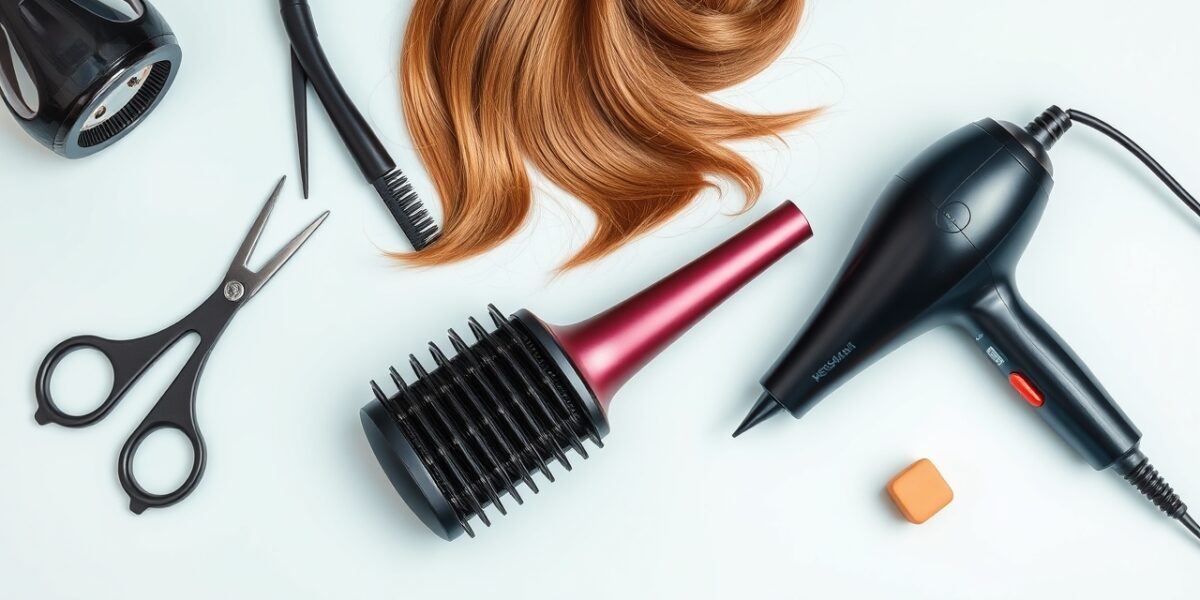
Choosing the right heat for flat ironing is more than a quick decision—it’s a science that protects your hair’s health while delivering salon‑quality results. In this guide we’ll unpack the key factors that determine the best temperature for flat ironing hair, walk through a step‑by‑step routine, and answer the most common questions that keep people guessing at the iron’s dial.
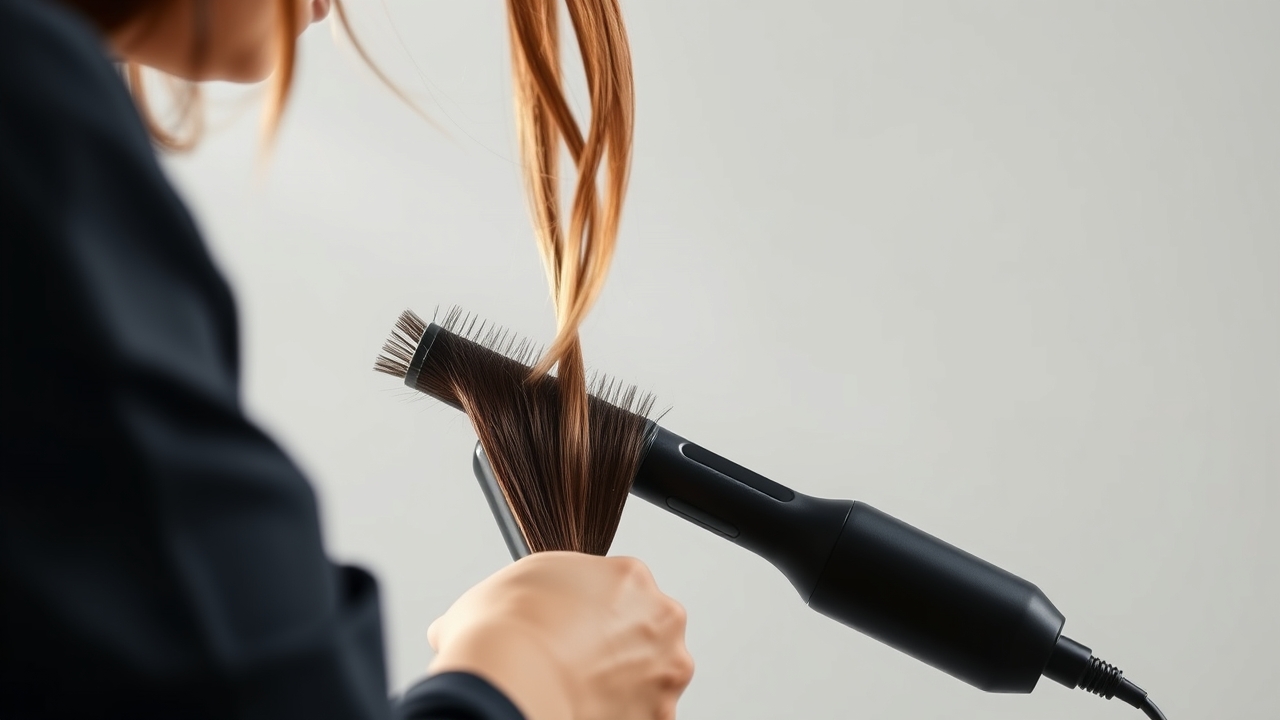
Why Temperature Matters When You Straighten
Heat straightening works by temporarily breaking the hydrogen bonds that give hair its natural shape. When the iron’s plates touch the cuticle, the heat penetrates the cortex, loosening these bonds. As the hair cools, the bonds reform in a new, straight configuration. Too little heat and the bonds stay intact; too much heat and the cuticle is damaged, leading to frizz, breakage, and a dull appearance. The sweet spot depends on the hair’s thickness, texture, and chemical history.
Understanding Your Hair’s Thermal Tolerance
Every strand of hair has a unique temperature threshold. Factors that influence this threshold include:


- Keratin density: Coarser hair contains more keratin, which resists heat.
- Cuticle condition: Chemical treatments or prior heat exposure thin the cuticle, lowering its tolerance.
- Moisture content: Dry hair is more prone to heat damage.
- Natural curl pattern: Curly hair often requires higher temperatures to straighten fully.
By observing how your hair reacts during a test section, you can fine‑tune the temperature to stay within its safe range.
Plate Materials and Their Impact on Heat Distribution
The material of the flat iron’s plates determines how heat is transferred to the hair:
- Ceramic: Even heat distribution, ideal for fine and normal hair.
- Tourmaline: Emits negative ions that help seal the cuticle, reducing frizz.
- Titanium: Extremely durable and heats up quickly, best for thick or coarse hair.
- Glass or mica: Less common, but offers precise heat control for highly damaged strands.
Choosing a plate that matches your hair type can reduce the required temperature, lowering the risk of damage.
General Guidelines for All Hair Types
Use the following ranges as a starting point, then adjust based on your hair’s response:
- Fine or thin hair: 120–140 °C (250–285 °F)
- Medium density hair: 150–170 °C (300–330 °F)
- Coarse or thick hair: 170–200 °C (330–400 °F)
- Colored or chemically treated hair: 120–150 °C (250–300 °F)
Remember, these are guidelines. A fine‑tuned approach—testing a small section before committing to the entire head—ensures optimal results.
Fine and Damaged Hair: Keep It Low
Fine hair has a smaller cortex and a thinner cuticle, making it sensitive to heat. A setting of 120–140 °C is usually sufficient. Use a ceramic or tourmaline plate for even heat and apply a lightweight heat protectant that won’t weigh the strands down. Keep the iron moving quickly—no more than 2–3 seconds per section—to avoid concentrating heat on a single spot.
Medium Thickness Hair: A Steady Middle Ground
Most everyday hair falls into this category. A temperature of 150–170 °C provides enough energy to break the hydrogen bonds without compromising the cuticle. If you notice your hair feels dry or brittle after styling, dial down 10 °C. Conversely, if the hair resists straightening, increase the temperature by 10 °C and re‑test.
Coarse and Curly Hair: The Heat Is on
Coarse or tightly coiled strands require the highest heat. Set the iron to 170–200 °C and use a heat‑shielding plate. Always apply a generous amount of heat protectant—preferably one with silicones or natural oils—to create a barrier between the heat and the cortex. Keep the iron moving slowly, especially at the roots, to ensure even straightening.
Colored or Chemically Treated Hair: Treat With Care
Chemical processes weaken the cuticle and alter the hair’s natural structure. Even with colored or chemically treated hair, aim for 120–150 °C. Lower temperatures preserve color longevity and reduce the risk of “bleaching” the hair during styling. Use a color‑protecting heat protectant and avoid exceeding 150 °C.
How Hot Is a Straightener? Finding Your Sweet Spot
Most modern flat irons feature a digital display or a temperature dial. If your device lacks precise settings, start at the lowest available temperature and gradually increase until you achieve the desired smoothness. Always let the iron reach the set temperature before applying it to your hair.
Advanced Techniques: The Two‑Pass Method
For stubborn curls or extra shine, try the two‑pass technique:
- First pass: Use a higher temperature (e.g., 170 °C) to straighten the hair.
- Second pass: Reduce the temperature by 20–30 °C and run the iron again to seal the cuticle and lock in shine.
This method minimizes the overall heat exposure while maximizing the straightening effect.
Step‑by‑Step: Using Your Flat Iron Safely
1. Prep: Wash with a sulfate‑free shampoo, towel‑dry until damp, then apply a heat protectant spray or serum.
2. Section: Divide hair into 2–4 sections with clips, ensuring each section is manageable.
3. Set Temperature: Choose the appropriate heat based on the guidelines above.
4. Heat: Wait until the iron reaches the set temperature; most models display a ready indicator.
5. Slide: Hold the iron at the roots, move slowly to the ends, keeping the plates tight but not jammed. Use a comb or brush for extra control.
6. Cool: Allow each section to cool for 2–3 seconds before moving to the next to lock the new shape.
7. Finish: Apply a lightweight serum or oil to seal the cuticle and add shine. Avoid heavy products that can weigh the hair down.
Aftercare: Keep Your Hair Healthy Post‑Styling
Give your hair a heat break of at least 24 hours after a straightening session. Use a deep‑conditioning mask weekly to replenish moisture. Avoid overnight heat styling, and consider a silk pillowcase to reduce friction. Consistent care keeps the cuticle intact, extending the life of your straightening routine.
Common Misconceptions About Heat Settings
- “Higher heat = faster results.” Rapid straightening can quickly compromise the cortex, leading to long‑term brittleness.
- “All flat irons are the same.” Plate material, temperature control, and heat‑shielding features differ significantly.
- “I can just keep the iron on for longer.” Prolonged exposure raises the hair’s temperature beyond the plate’s set point, especially if you pause between sections.
- “Heat protectant is optional.” Skipping it removes the protective barrier, exposing the cortex to damaging temperatures.
- “I should always use the highest setting.” The highest setting is only necessary for very thick or coarse hair; otherwise it accelerates damage.
Choosing the Right Tool for the Job
When shopping for a flat iron, look for:
- Adjustable temperature controls with a digital display.
- Heat‑shielding plates (ceramic, tourmaline, or titanium).
- Auto‑shutdown feature for safety.
- Even heat distribution and quick heat‑up time.
- Non‑stick coating to reduce friction.
If you’re unsure, start at 120 °C and increase in 10‑degree increments, testing a small section each time.
Product Recommendations (2026)
- Dyson Corrale: Titanium plates, variable heat, and a smart sensor that adjusts temperature to the hair’s condition.
- GHD Platinum+: Ceramic plates with an auto‑shutoff feature and a 200 °C maximum—great for medium to coarse hair.
- Remington Pro 2‑Speed Ceramic: Budget option with two heat settings (120 °C and 170 °C) and a heat‑shielding coating.
- Conair InfinitiPro 2‑Speed: Dual‑speed plates (120 °C & 200 °C) and a heat‑protective coating for all hair types.
DIY Heat Protectant Recipes
For a natural, salon‑quality protectant, mix:
- 1 Tbsp coconut oil
- 1 Tbsp argan oil
- 1 Tbsp aloe vera gel
- 5 drops of lavender essential oil (optional)
Shake well and spray lightly onto damp hair before styling. The oils seal the cuticle, while aloe vera adds moisture.
Frequently Asked Questions
What is the best temperature for flat ironing hair?
The optimal temperature varies with hair type. Fine or damaged hair: 120–140 °C; medium hair: 150–170 °C; coarse or thick hair: 170–200 °C; colored or chemically treated hair: 120–150 °C.
How do I know the best temperature for flat ironing hair for my hair type?
Identify your hair’s natural density. Test a small section at the lowest setting, then increase by 10 °C if needed. Watch for signs of dryness or breakage; adjust accordingly.
Can I use the same flat iron temperature for all my hair strands?
No. Even within a single head, some strands may be thicker or more damaged. Use a slightly lower setting for damaged sections and a higher one for healthier strands.
What should I do if my flat iron doesn’t have a temperature dial?
Use the high/low settings. Start with low, test a section, then switch to high if the hair resists. Avoid holding the iron in one spot for more than 2–3 seconds.
How often should I replace my heat protectant spray?
Replace the bottle every month or whenever the scent or texture changes. A fresh layer of protection is essential for maintaining hair health during heat styling.
Can I style my hair with a flat iron if I have split ends?
It’s best to trim split ends before heat styling. If you must style, keep the temperature low (120–140 °C) and avoid passing the iron over split ends multiple times.
Is it safe to use a flat iron on hair that’s still wet?
Wet hair is more vulnerable to heat damage. Wait until the hair is at least 80 % dry before straightening, or use a lower temperature (120–140 °C) if you must style damp strands.
What’s the difference between ceramic and tourmaline plates?
Ceramic plates distribute heat evenly and are suitable for all hair types. Tourmaline plates emit negative ions that help seal the cuticle, reducing frizz and static—ideal for fine or frizzy hair.
Should I use a flat iron every day?
Daily heat styling accelerates damage. Aim for no more than 2–3 times per week and give your hair a heat break of at least 24 hours between sessions.
How can I tell if my hair is overheating during straightening?
Signs include a sudden increase in frizz, a sticky or dry feel, or visible damage after styling. If you notice these, lower the temperature by 10–20 °C and retest.
Final Takeaway
Finding the best temperature for flat ironing hair is a blend of science and observation. By understanding your hair’s structure, selecting the right plate material, and following a precise routine, you can achieve sleek, healthy results without compromising your strands. Remember: the lowest effective heat is always the safest heat.
For further reading, see related references on Wikipedia.
Leave a Reply