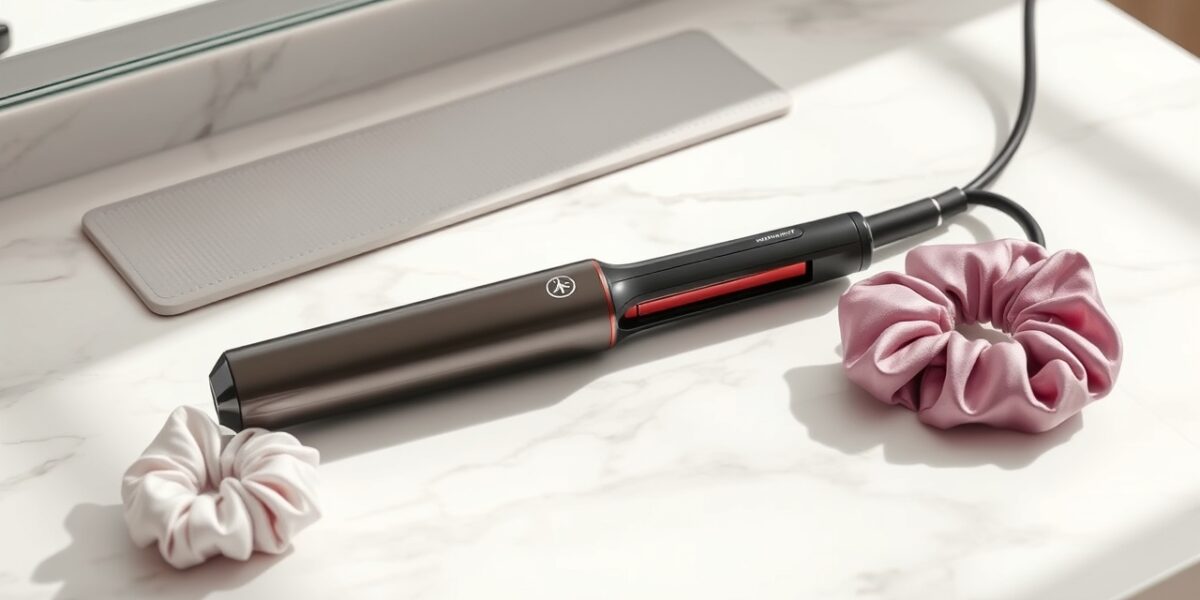
When you’re dealing with thick, coarse hair, the first instinct is to crank the heat to the maximum. That’s a mistake. The real secret to a flawless finish lies in how the iron distributes that heat and how you use it. The best flat iron for thick hair is a tool that keeps a steady temperature, covers a wide section of hair, and lets you glide without tugging.
The Technical Requirements for a Powerful Flat Iron
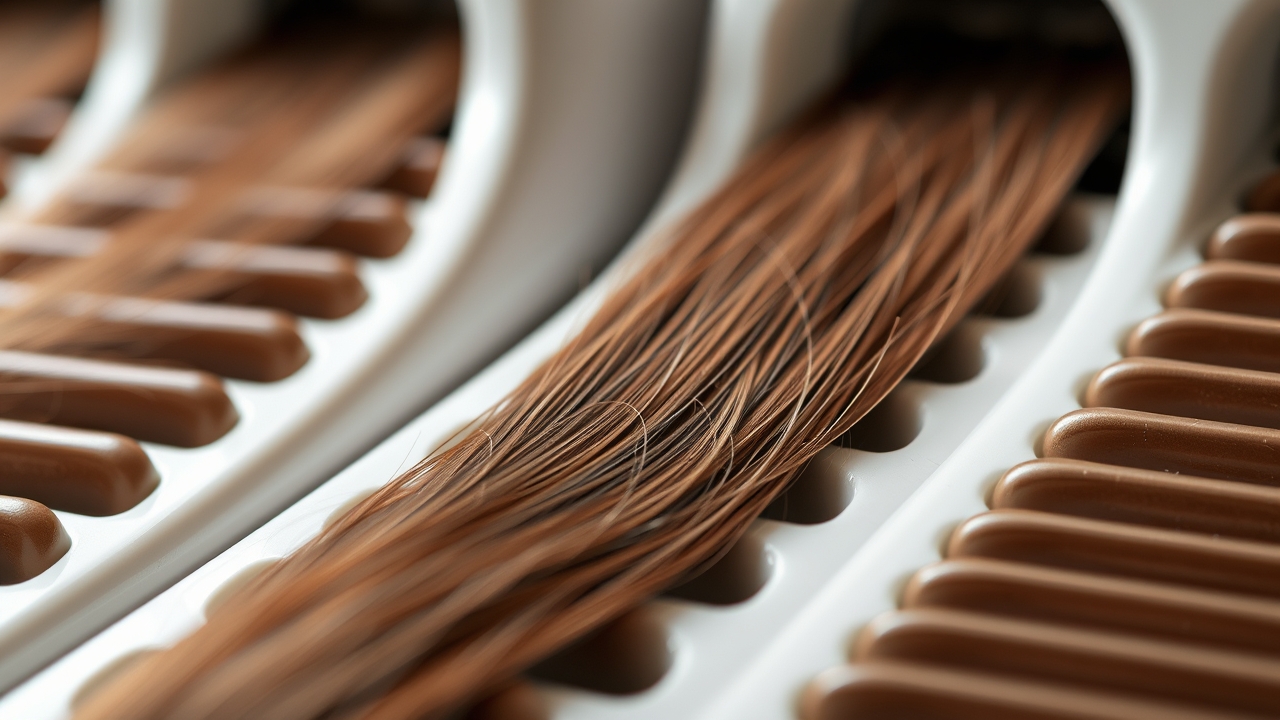
Thick strands act like a heat sponge: the plates cool quickly when they touch the hair, and a cheap iron can’t recover fast enough. That’s why you end up making several passes over the same section, which adds up to unnecessary heat exposure.
Constant Temperature Maintenance
Look for a flat iron that uses a microprocessor and built‑in temperature sensor. When the plates clamp down on a dense section, the sensor detects the dip in heat and immediately pushes more power to the heating element. In practice, this means the first glide is as effective as the tenth, and you can finish a head of hair in fewer strokes.


Plate Material Matters
Plate material determines how heat is transferred. For thick hair, consider the following:
- Ceramic – Evenly distributes heat and reduces surface scorching. It’s a good choice for those who want a gentler approach.
- Titanium – Conducts heat quickly and reaches higher temperatures efficiently. Ideal for very coarse or resistant hair.
- Tourmaline‑coated ceramic – Emits negative ions that help seal the cuticle, reducing frizz and static.
Why a Wide Plate Iron Is a Necessity
Most people with thick hair still use 1‑inch plates meant for curls or short styles. A wide plate – 1.5 to 2 inches – lets you take larger sections, which means fewer passes and less heat damage. The larger contact area also keeps the cuticle flat, giving you a smoother finish.
Temperature Settings: Finding the Sweet Spot
Higher heat isn’t always better. Cranking to 450°F (230°C) can strip protein from the cortex and cause long‑term damage. Instead, start with a tiered approach based on your hair’s condition.
Virgin Thick Hair
If your hair has never been bleached or chemically treated, it can handle a bit more heat. Begin at 380°F (193°C) and increase only if you see resistance. A healthy cuticle can withstand a higher temperature without breaking down.
Color‑Treated or Damaged Thick Hair
Bleached or chemically processed thick hair is fragile. Keep the heat between 330°F (165°C) and 370°F (186°C). If you need more passes, lower the temperature and slow down the glide instead of cranking up the heat.
Step‑by‑Step Guide to Straightening Thick Hair
Owning the best flat iron for thick hair is only half the battle. Technique determines whether you get a salon‑level finish or a flat, damaged look. Here’s a method that works for every thick strand.
- Prep with a Heat Protectant – Apply a silicone‑based cream or spray to create a barrier. Thick hair demands more heat, so a protective layer is non‑negotiable.
- The “Chase Method” – Place a fine‑tooth comb in front of the iron. As you glide, the comb detangles and aligns each strand, ensuring full plate contact. This technique often eliminates the need for a second pass.
- Sectioning Is Key – Cut your hair into at least four quadrants and clip each section. Work from the nape upward. Avoid sections thicker than an inch; they’re harder to straighten and can lead to uneven heat distribution.
- Slow and Steady – Move the iron at a consistent pace from root to tip. A steady glide allows heat to penetrate the core of the strand without overheating the surface.
- Cool Down Properly – Once a section is straight, let it sit in that position before moving on. The hair needs time to “set” and lock in the new shape.
Common Mistakes to Avoid
Even the best iron can’t fix a bad technique. Watch out for these pitfalls:
- Straightening Damp Hair – A sizzle means you’re boiling water inside the shaft. Always ensure hair is 100% dry before styling.
- Clamping Too Hard – Excessive pressure creates creases and can break the fiber. If you feel you need to squeeze, the iron isn’t hot enough or the plates aren’t smooth.
- Ignoring Plate Maintenance – Product buildup turns plates into hot spots. Clean them every two weeks with a damp, lint‑free cloth. For stubborn residue, a cotton pad with a touch of rubbing alcohol works well.
Remember, a reliable heat‑styling tool should offer adjustable settings. A simple on/off switch is risky for thick hair because you can’t fine‑tune the temperature to your hair’s porosity.
Comparing Plate Technologies for Coarse Textures
Let’s break down how each technology tackles thick hair’s challenges:
- Titanium – High conductivity means instant heat transfer. Perfect for very coarse, “wirey” strands that resist styling.
- Ceramic/Tourmaline Blend – Delivers gentler, diffused heat. The negative ions seal the cuticle, reducing frizz, especially useful for dry, thick hair.
- Carbon Fiber – Lightweight, fast‑heating, and offers excellent heat recovery. Ideal for those who want a quick, even glide.
For a deeper dive into hair structure and how heat affects the cortex, check out Wikipedia’s entry on hair.
Maintaining Your Tool for Long‑Term Performance
Because a thick‑hair iron works harder, it’s more prone to product buildup and uneven heat. Keep it in top shape by:
- Cleaning Regularly – Every two weeks, wipe the plates with a damp, lint‑free cloth. Use a cotton pad with a small amount of rubbing alcohol for stubborn buildup.
- Storing Properly – Wrap the cord loosely and avoid tight coils. Store the iron on its stand or in a heat‑resistant case to prevent damage to the plates.
- Checking Temperature Accuracy – Use a digital thermometer once a month to ensure the display matches the actual plate temperature.
The Role of Humidity and Aftercare
Humidity is the enemy of a straight finish. Thick hair absorbs moisture quickly, causing it to revert to its natural texture. Lock in the style with a lightweight finishing oil or a humidity‑blocking spray. Apply from mid‑length to ends, avoiding the roots to prevent greasiness. This creates a waterproof barrier that keeps the sleekness intact for days.
Summary of Key Features for Thick Hair
When you’re shopping for a new iron, keep this checklist handy:
- Plate Width – 1.5 inches or wider.
- Material – Titanium for maximum heat; Ceramic/Tourmaline for frizz control.
- Temperature – Digital display with settings up to at least 430°F (221°C).
- Recovery – Fast‑heating elements (MICA or carbon fiber).
- Glide – Floating plates that adjust to the thickness of the hair section.
Frequently Asked Questions
How do I find the best flat iron for thick hair?
Seek a titanium or ceramic‑tourmaline iron with a width of at least 1.5 inches, digital temperature control, and proven heat recovery. Avoid models with a simple on/off switch.
Can I use a ceramic straightener on very coarse hair?
Yes, but it will require more passes. Ceramic is gentler and distributes heat evenly, which protects the hair but may not provide the instant power that titanium offers for extremely resistant strands.
How many passes should I make per section?
Ideally, one slow, steady pass. If you logger more than three passes, the temperature is likely too low or the sections too thick.
Does a wide plate iron cause more damage?
No. A wide plate covers more surface area, reducing the number of times each strand is exposed to heat. Fewer passes mean less damage.
Why does my thick hair still frizz after straightening?
Humidity and lack of finishing products are common culprits. Seal the cuticle with a humidity‑blocking serum or oil, and keep the hair dry before styling.
For more style tips that complement heat straightening, visit our guide on Heat Styling Tips for Thick Hair.
Leave a Reply