When you’re a stylist or a home user, a clean flat iron is the secret to flawless, salon‑quality results. Over time, hair, styling products, and minerals from tap water cling to the plates, turning a sleek tool into a sticky, inefficient appliance. How to clean a flat iron isn’t just a maintenance chore—it’s a way to protect your investment, ensure consistent heat, and keep your hair looking its best.
Why Cleaning a Flat Iron Matters
Every time you heat a flat iron, microscopic hair fibers, silicone from product, and calcium or magnesium from hard water settle on the plates. If left unattended, these residues create a barrier that:
- Reduces heat transfer, making styling slower and less efficient.
- Leaves streaks, uneven shine, or a “ghost” effect on your hair.
- Increases the risk of overheating and damaging internal components.
Routine cleaning keeps the temperature consistent, protects the metal, and ensures each session looks flawless. Think of it as a quick spa treatment for your tool.


Choosing the Right Cleaning Tools
Before you even touch the iron, gather the right supplies. The right tools make the process safer and more effective:
- Microfiber cloth – A soft, lint‑free cloth that won’t scratch the plates.
- Soft paintbrush or toothbrush – Ideal for reaching corners and edges.
- Warm soapy water – A mild dish soap diluted in warm water; avoid harsh detergents.
- Rubbing alcohol (isopropyl, 70%) – For stubborn, oily stains.
- White vinegar – A gentle acid that dissolves mineral deposits.
- Cotton swabs – For small, hard‑to‑reach spots.
- Optional: Protective sleeve or case – Keeps the iron safe during transport.
Step‑by‑Step Cleaning Routine
1. Preparation
- Turn off and unplug the iron. Let it cool to a safe temperature—usually 10 to 15 minutes. A hot iron can scorch your skin or damage the cleaning cloth.
- Place the iron on a heat‑resistant surface, like a silicone mat or a thick towel, to protect your countertop.
- Gather all cleaning supplies in one place so you can move quickly and efficiently.
2. Light Cleaning – Daily Use
- Dip the soft brush in the warm soapy water and gently scrub the entire plate surface. Focus on the edges where product tends to accumulate.
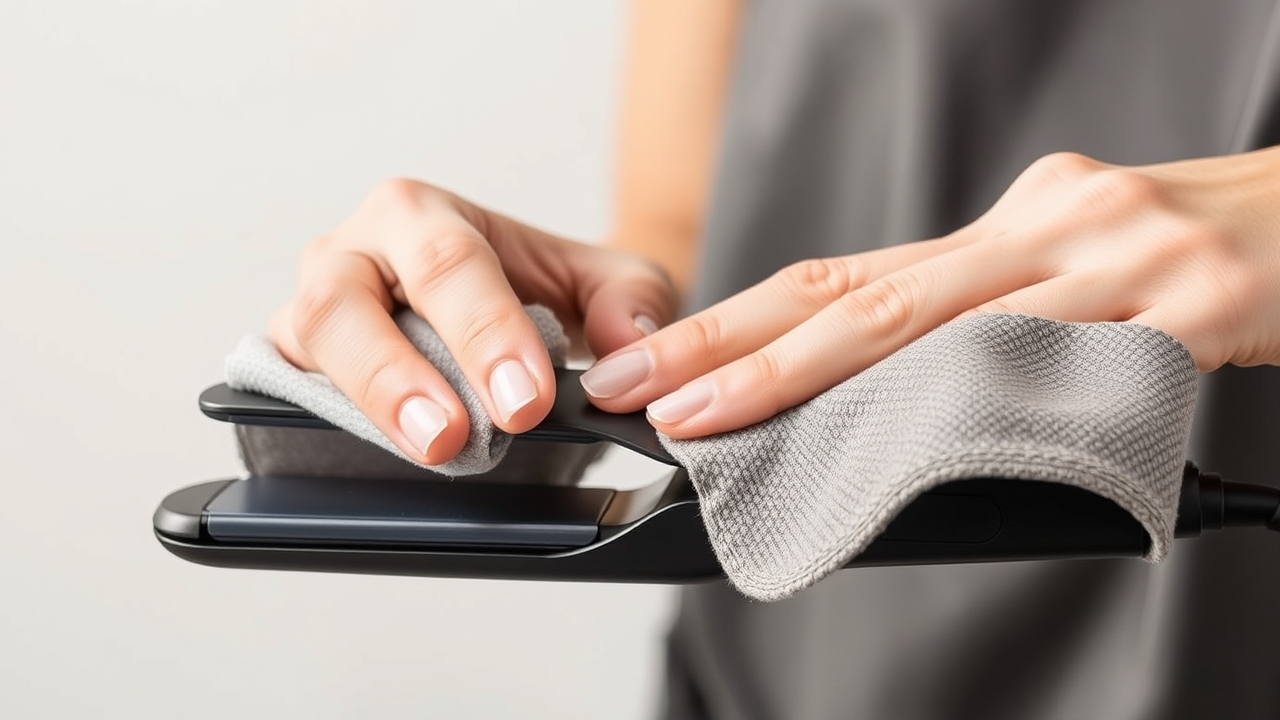
- Wipe the plates with a damp microfiber cloth to remove loosened debris. Use a circular motion to lift any remaining particles.
- For oily or sticky spots, dampen a cotton swab with rubbing alcohol and swipe the area. Alcohol evaporates quickly, leaving no residue.
- Finish with a dry microfiber cloth to buff the plates, ensuring no moisture remains. This step is crucial to avoid electrical issues.
3. Deep Cleaning – Weekly or Heavy Use
- Prepare a vinegar solution: mix equal parts white vinegar and warm water. Vinegar’s acidity dissolves mineral deposits without harming the metal.
- Apply a few drops to a clean microfiber cloth and wipe the plates thoroughly. For stubborn buildup, let the cloth sit on the spot for 30 seconds before wiping.
- Rinse the cloth with clean water and wipe again to remove any vinegar residue.
- Repeat the alcohol swab step if needed for oily stains.
- Dry the plates completely with a dry microfiber cloth.
4. Final Checks
- Inspect the plates for scratches, chips, or warping. Minor scratches are normal, but large chips can affect heat distribution.
- Test the iron’s temperature by placing a small piece of paper on the plate. If it burns too quickly or too slowly, the temperature control may be off.
- Replace the protective cover or guard if it’s worn out or damaged.
- Re‑wrap the iron in its protective sleeve if you use a travel case.
Preventing Future Buildup
Cleaning is only part of the equation. These preventive measures keep your flat iron running smoothly:
- Use a water filter or distilled water when rinsing your hair to reduce mineral deposits.
- Apply a heat‑protectant spray before styling to lower the heat load on the iron.
- Always cool the iron before cleaning—never attempt to clean a hot device.
- Store the iron in a dry, well‑ventilated area to prevent moisture from building up inside.
- Limit the number of heat cycles per session; excessive heating accelerates wear.
Common Mistakes to Avoid
- Using abrasive sponges or steel wool—they scratch the plates and compromise heat transfer.
- Applying harsh chemicals—bleach or ammonia can corrode the metal and damage the coating.
- Leaving the iron unplugged and warm for extended periods; this can cause overheating and reduce battery life in cordless models.
- Using a wet cloth on a hot iron—water can seep into the electronics and cause short circuits.
Expert Tips from Professional Stylists
Top stylists share their personal hacks for keeping flat irons pristine:
- “I always keep a spare microfiber cloth in my bag.” A quick wipe between clients prevents buildup from accumulating.
- “I use a silicone cleaning pad for the edges.” The pad’s texture lifts stubborn residue without scratching.
- “I schedule a deep clean every ”(30–45) days. Even if the iron feels clean, mineral deposits can still be present.
- “I never leave the iron on the counter.” A dedicated stand or shelf keeps the device from accidental contact with surfaces.
Case Study: Celebrity Stylist Routine
Renowned stylist Marina K. uses a 4‑step routine for her high‑volume clients:
- Pre‑styling rinse with distilled water.
- Apply a lightweight serum to reduce friction.
- Use a short heat cycle (90°C) for each section.
- After styling, perform a quick wipe with a damp microfiber cloth.
This routine keeps her tools in top condition and delivers consistent results for A‑list clients.
Safety First: Do Not Clean a Hot Iron
Never attempt to clean a hot flat iron. The risk of burns is high, and the plates can be damaged by water or cleaning agents when hot. Always allow the iron to cool completely before touching or cleaning.
Warehouse & Retail Tips
If you’re a salon owner, consider these bulk‑cleaning strategies:
- Set up a dedicated cleaning station with all supplies within arm’s reach.
- Use a timer to remind staff to clean after every 10–15 uses.
- Keep a log of cleaning dates for each iron to track maintenance cycles.
- Invest in a high‑quality silicone sleeve that can be replaced as needed.
External Resource
For a deeper dive into the technology behind flat irons, check out the Flat iron page on Wikipedia.
Explore More Tools
If you’re looking for a new straightener, browse our collection of straighteners for models that come with easy‑to‑clean plates and maintenance guides.
Frequently Asked Questions
How to clean a flat iron? What’s the best method?
The most effective method involves using a microfiber cloth, a mild soapy solution, and a soft brush. For stubborn buildup, a vinegar solution or rubbing alcohol can help dissolve residues without damaging the plates.
Can I use dish soap on my flat iron’s plates?
Yes, a mild dish soap diluted in warm water is gentle enough for most metals. Avoid harsh detergents that may leave a film on the surface.
How often should I clean my flat iron?
Clean the plates after every 10–15 uses if you notice buildup. For heavy use, consider a weekly deep clean to maintain optimal performance.
What if my flat iron has a cracked plate?
Cracked plates can lead to uneven heat distribution and potential safety hazards. Replace the plates immediately or contact the manufacturer for a replacement kit.
Is it safe to clean a flat iron with a wet cloth?
Only if the iron is fully cooled. Ensure no moisture remains on the plates after cleaning to prevent electrical issues and corrosion.
Can I use a hair dryer to dry the plates after cleaning?
No. A hair dryer can introduce heat unevenly and may damage the plates. Use a dry microfiber cloth instead.
Should I clean the power cord as well?
Yes. Gently wipe the cord with a dry cloth to remove dust. Avoid submerging it in water or using liquid cleaners.
What if I notice a persistent odor after cleaning?
Run a short, low‑heat cycle (80°C) with a clean towel to evaporate any lingering residues. If the odor persists, consider replacing the iron.
Is there a difference between cleaning ceramic and titanium plates?
Both benefit from the same cleaning routine, but titanium plates are more resistant to scratches. Use a softer brush for titanium to preserve the coating.
Can I use vinegar on a ceramic flat iron?
Yes, vinegar is safe for ceramic plates. Just ensure you rinse thoroughly to avoid leaving a mild smell.
Leave a Reply