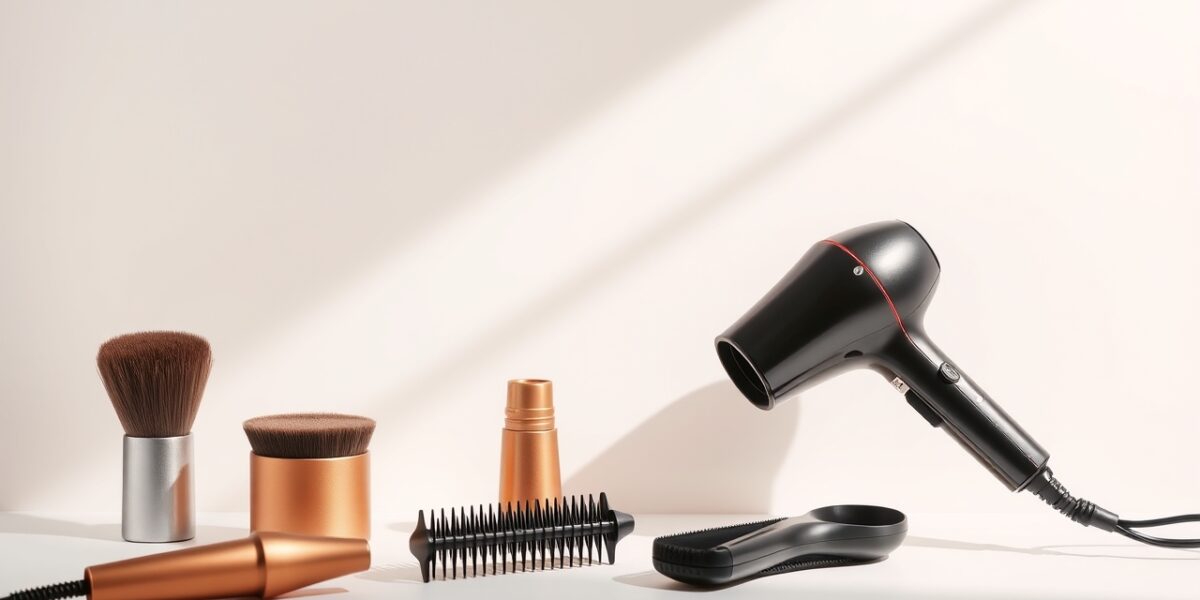
When you pick up a flat iron for the first time, the most common question that pops up is ceramic vs titanium flat iron. It’s not just a brand‑name debate; it’s a question about how the metal under the plates interacts with your hair, the heat you’ll apply, and the long‑term health of your strands.
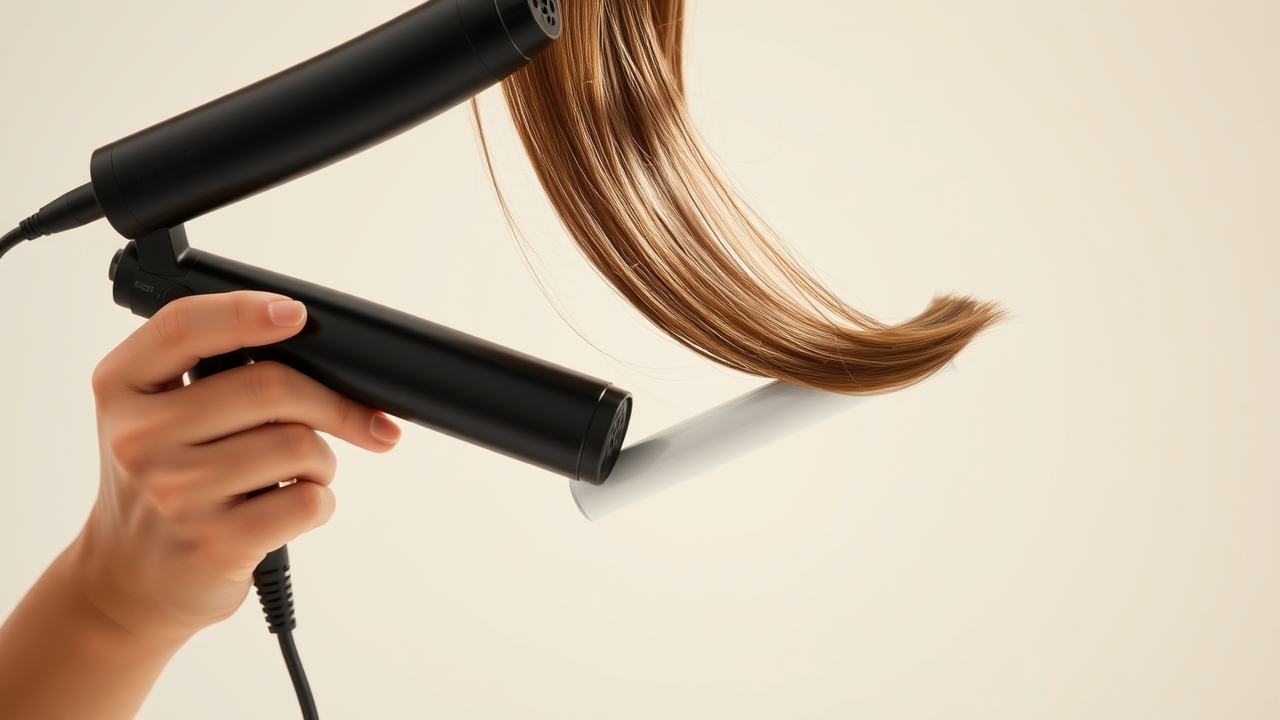
Ceramic vs Titanium Flat Iron: The Material Showdown
Both ceramic and titanium plates are prized for their heat‑conducting properties, but they behave very differently once the iron is turned on.
- Ceramic plates are usually coated with a thin layer of ceramic or a ceramic‑titanium composite. The coating spreads heat evenly across the surface, which keeps the temperature stable and reduces hot spots that can scorch hair.
- Titanium plates are true metals. They heat up almost instantly, so you can reach high temperatures in seconds. That speed is great for thick or coarse hair, but it also means the iron can jump to a higher temperature if you’re not careful.
In other words, ceramic is the “steady hand” of the flat‑iron world, while titanium is the “quick‑fire” option. The choice between ceramic vs titanium flat iron comes down to how each material interacts with your hair’s cuticle, the shine you want, and how much heat you’re willing to expose your strands to.


Heat Transfer and Hair Health
Hair is a protein matrix that reacts quickly to temperature changes. When heat is applied unevenly, the cuticle can lift, creating frizz, split ends, or a dull look. Ceramic’s even heat distribution keeps the cuticle flat, which translates to smoother, shinier results. Titanium’s rapid heat can cause a brief spike that, if the iron is left on a section too long, may lift the cuticle before the heat dissipates.
Durability and Longevity
Titanium plates are built to last. Their metal core resists warping and cracking even after months of high‑temperature use. Ceramic plates, on the other hand, can chip or lose their coating if dropped or used at extreme temperatures. A chipped ceramic plate will create uneven heat and can damage hair more quickly.
Which Flat Iron Is Right for Your Hair Type?
Choosing the right material depends largely on your hair’s texture, thickness, and sensitivity. Below is a quick reference guide.
- Fine or straight hair: A ceramic flat iron usually does the trick. The even heat allows you to keep the temperature lower—often 300–350°F—reducing breakage.
- Thick or coarse hair: Titanium plates shine here. Their fast heat means you spend less time on each section, lowering overall heat exposure.
- Curly or frizzy hair: A ceramic or hybrid ceramic‑titanium plate works best. The coating helps lock in moisture while smoothing the cuticle.
- Color‑treated or damaged hair: Even heat is essential. A ceramic flat iron minimizes the risk of hot spots that can strip color or further weaken chemically treated strands.
Safety Tips for All Materials
Regardless of whether you’re using ceramic or titanium, these safety guidelines keep your hair healthy.
- Always apply a heat protectant spray before styling.
- Set the temperature to the lowest effective level: 300–350°F for fine hair, 350–375°F for thick hair.
- Move the iron at a steady, moderate pace. Rapid sliding can overheat sections.
- Never leave the iron on a single section for more than a few seconds.
- Let the iron cool slightly between passes to avoid sudden temperature spikes.
Heat vs Damage: The Titanium vs Ceramic Debate in Detail
Scientific studies show that heat causes protein denaturation in keratin strands. The key is how quickly that heat is applied. Titanium’s high conductivity means temperatures rise faster, which can lead to brief heat spikes. Ceramic’s even distribution keeps temperatures steady, which can reduce the likelihood of protein damage.
Modern flat irons often come with adjustable temperature controls, smart sensors, and surface coatings that mitigate extremes. When you see a flat iron labeled “titanium vs ceramic,” it’s usually shorthand for the underlying technology rather than a strict material choice.
Surface Coatings and Their Role
Many manufacturers apply a thin layer of ceramic or tourmaline to titanium plates. This hybrid coating offers the quick‑heat advantage of titanium while adding the smooth glide and even heat of ceramic. The result is a tool that can handle a wide range of hair types without compromising on performance.
Energy Efficiency and Environmental Impact
Titanium flat irons reach target temperatures faster, meaning they consume less energy over time. Ceramic plates, while slower to heat, can be more energy efficient if you’re styling at lower temperatures for everyday looks. The environmental impact is small compared to other appliances, but choosing a plate that matches your styling habits can reduce unnecessary energy use.
Maintenance and Care for Your Flat Iron
Proper upkeep extends the life of both ceramic and titanium flat irons.
- Clean the plates regularly with a soft cloth and a small amount of rubbing alcohol to remove product buildup.
- Store the iron in a protective case to prevent accidental drops.
- Avoid exposing the device to extreme temperatures or moisture.
- Check for plate wear after every 6–12 months. Replace plates if you notice chipping or uneven surfaces.
When to Replace Your Flat Iron
Signs that it’s time for a new tool include:
- Visible plate damage or uneven heat distribution.
- Inconsistent temperature readings.
- Frequent overheating or sudden temperature drops.
- Loss of shine or increased frizz after styling.
Choosing the Right Flat Iron: A Practical Checklist
- Hair type: Fine, medium, or thick.
- Desired heat range: Low for fine hair, high for coarse.
- Plate material: Ceramic, titanium, or hybrid.
- Price point: Budget vs premium.
- Warranty and support: Look for at least a 1‑year guarantee.
Use this checklist to narrow down options and avoid buyer fatigue. If you’re still unsure, consult a professional stylist or visit a reputable salon for a demo.
Frequently Asked Questions
- Ceramic vs titanium flat iron: Which is better for fine hair? Ceramic plates provide even heat, reducing breakage. Titanium can be too hot if not carefully managed.
- Can a titanium flat iron damage my hair? Yes, if used at high temperatures.
- Are hybrid ceramic‑titanium plates worth the extra cost? Hybrid plates combine quick heating with even distribution. If you’re looking for a versatile tool that works across hair types, the extra cost can be justified. However, if you only style once a week, a pure ceramic plate might suffice.
- How often should I replace my flat iron plates? Check for chipping, unevenness, or inconsistent heat after every 6–12 months. A worn plate can lead to uneven styling and increased damage.
- Is a ceramic or titanium flat iron safer for color‑treated hair? Both can be safe if used at lower temperatures. Ceramic’s even heat reduces the chance of sudden temperature spikes that might strip color. Titanium’s quick heating can be advantageous if you’re using a lower temperature setting to manage color.
FAQ 1: Ceramic vs Titanium Flat Iron – Which Is Better for Fine Hair?
For fine or fragile strands, ceramic is generally preferable. The even heat distribution helps keep the cuticle smooth, minimizing the risk of breakage. Titanium’s rapid heating can create hot spots that may lift the cuticle if you’re not careful.
FAQ 2: Does a Titanium Flat Iron Produce More Frizz?
Not inherently. Frizz depends on heat, moisture, and technique. Titanium can be used on fine or thick hair without increasing frizz, provided you use a heat protectant and keep the temperature moderate.
FAQ 3: Are Hybrid Ceramic‑Titanium Plates Worth the Extra Cost?
Hybrid plates combine quick heating with even distribution. If you’re looking for a versatile tool that works across hair types, the extra cost can be justified. However, if you only style once a week, a pure ceramic plate might suffice.
FAQ 4: How Often Should I Replace My Flat Iron Plates?
Check for chipping, unevenness, or inconsistent heat after every 6–12 months. A worn plate can lead to uneven styling and increased damage.
FAQ 5: Is a Ceramic or Titanium Flat Iron Safer for Color‑Treated Hair?
Both can be safe if used at lower temperatures. Ceramic’s even heat reduces the chance of sudden temperature spikes that might strip color. Titanium’s quick heating can be advantageous if you’re using a lower temperature setting to manage color.
Ultimately, the choice between ceramic vs titanium flat iron hinges on your hair type, styling habits, and comfort with heat settings. Both materials offer unique advantages, and many modern flat irons blur the lines with hybrid technology. By understanding how each material behaves, you can make an informed decision that protects your hair and preserves its natural beauty.
For more insight into heat styling tools and how they interact with hair, check out the Wikipedia page on Heat for a deeper scientific perspective.
Explore our selection of flat irons and find the tool that matches your styling needs.
Leave a Reply