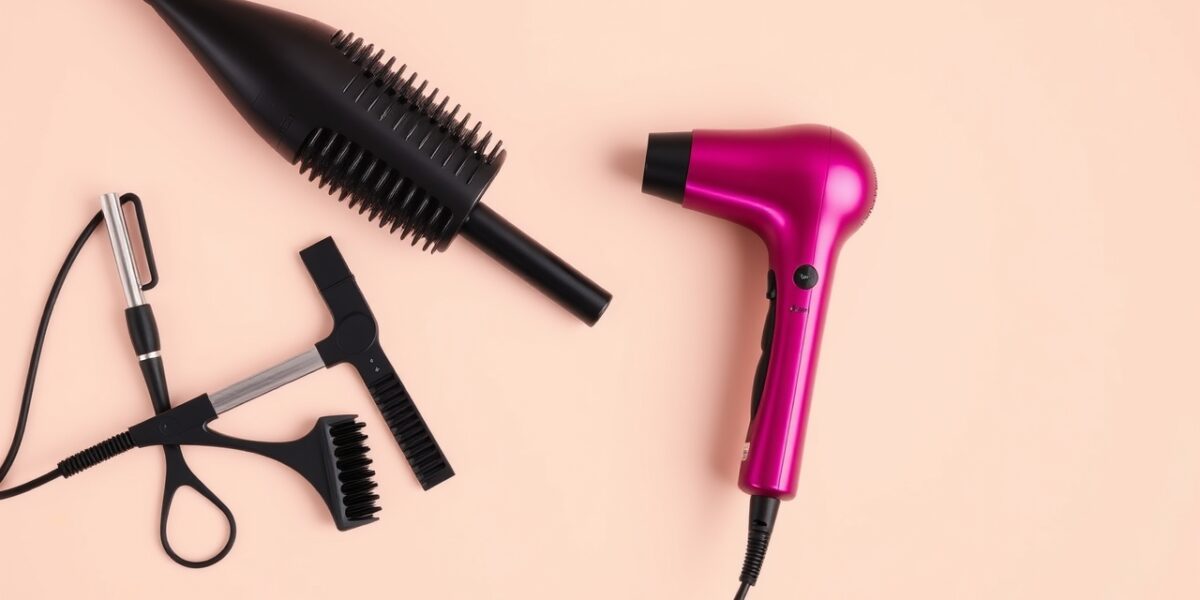
How to store hair tools safely is essential for preserving your styling equipment and ensuring a tidy space. When you finish a session, the first step is to let your flat iron, curling wand, or hair dryer cool down completely before moving it.

Why Cooling and Unplugging Matter
Heat tools reach temperatures that can exceed 400°F. Leaving them plugged or hot can cause accidental burns, fire hazards, or damage to surrounding surfaces. Always unplug the device and place it on a heat‑resistant mat or tray. Let it sit for at least 10 minutes before storing.
Understanding the Heat Profile of Your Tools
Different tools use different heating mechanisms. A ceramic flat iron may reach 350°F, while a titanium wand can hit 400°F. Knowing the exact temperature range helps you choose the right storage surface and avoid overheating adjacent items. Many modern tools feature temperature sensors or digital displays; note these values and keep a log if you switch between high‑heat and low‑heat settings.


Choosing the Right Storage Space
Decide where your tools will live. A dedicated drawer in a bathroom cabinet, a wall‑mounted rack in a bedroom, or a portable pouch in a travel bag all work well. The key is to keep the area dry, away from direct sunlight, and at a stable temperature.
Drawer Storage
- Use a deep drawer with dividers or small trays. This keeps each tool in its own compartment and prevents accidental stacking.
- Place a moisture‑absorbing packet to keep humidity low, especially in bathrooms.
- Label each section for quick access. A small label on the front of the drawer can indicate whether it contains flat irons, curling wands, or hair dryers.
Wall‑Mounted Racks
- Secure brackets to a sturdy wall. Avoid studs that might flex under weight.
- Install a heat‑shielding panel to protect the wall. A metal or heat‑resistant foam panel between the tool and wall deflects residual heat.
- Keep the rack at least 12 inches from the edge of the wall to avoid heat buildup and to give you room to move the tool in and out.
Portable Pouches
- Choose a pouch with internal padding. A neoprene or silicone lining cushions the tool and absorbs vibration.
- Include a small fire‑resistant insert for extra safety. Some pouches come with a heat‑proof lining that can withstand up to 400°F.
- Store the pouch in a cool, dry closet when not in use. Avoid the trunk of a car where temperatures can spike in summer.
Choosing the Right Heat‑Safe Storage Materials
Not all arragements are created equal. Materials that can withstand high temperatures without warping or melting are crucial. Here are some top choices:
- Silicone – Flexible, heat‑resistant, and easy to clean. Silicone sleeves or cases can be slipped over flat irons or curling wands.
- Glass – Tempered glass trays or stands keep heat isolated from the wall or drawer. They also add a sleek aesthetic.
- Metal (stainless steel or aluminum) – Durable and naturally heat‑dispersive. Metal stands with a protective coating prevent oxidation.
- High‑density foam – Often used in wall mounts, it insulates the tool from the wall and reduces heat transfer.
Smart Labeling and Inventory
When you have multiple tools, a simple inventory system saves time and protects your gear. Use a small whiteboard or a digital note to keep track of:
- Tool type and model number.
- Last cleaned date.
- Any visible wear or damage.
- Special storage notes (e.g., “keep away from moisture”).
Label each drawer or rack slot with a clear, durable tag. This not only speeds up your routine but also prevents accidental misuse of a high‑heat tool by a child or pet.
Organize Styling Tools for Quick Access
Once you’ve chosen a space, the next step is to organize styling tools so you can find what you need without rummaging. Use clear trays or magnetic strips for flat irons and curling wands. Keep hair dryers in a separate slot with an adjustable stand.
By Tool Type
- Flat irons – keep the handle in a dedicated slot. Use a silicone sleeve to protect the plates.
- Curly wands – store on a magnetic strip or in a padded sleeve.
- Hair dryers – position on a stand or in a drawer with a vented lid. A small fan can keep the dryer from overheating.
- Heat‑protective sprays – place in a small container for easy reach. Keep the spray in a cool spot to maintain its efficacy.
Protecting Heat Elements During Storage
Heat elements can warp or corrode if exposed to moisture. Wrap the heating plates in a microfiber cloth or use a silicone sleeve. For flat irons, consider a protective case that seals the plates when not in use.
Store Flat Iron Correctly
- Place the flat iron flat on a heat‑resistant surface. A glass or ceramic tray works best.
- Use a dedicated case or sleeve to keep the plates from bending.
- Check for any cracks or damage before re‑using. A cracked plate can compromise heat distribution.
Storing Specialty Tools
Some tools come with unique features that require extra care. For example, ceramic or tourmaline plates are prized for their smooth glide but are also fragile. Ionic blow dryers, which emit negative ions, should be stored away from metal surfaces that could interfere with their function.
- Ceramic/Tourmaline Plates – Store in a case with a soft lining to avoid scratches. Avoid stacking heavy items on top.
- Ionic Hair Dryers – Keep them on a stand that allows airflow. If you have a metal rack, line it with a heat‑resistant pad.
- Professional Straighteners – These often have higher wattage. Use a wall mount with a heat shield and ensure the cord is coiled neatly to prevent strain.
Cleaning and Maintenance Routines
Forsaking routine maintenance can lead to build‑up of residue and diminished performance. While your tools are in storage:
- Clean the heating plates with a damp cloth and mild soap. Dry with a microfiber towel.
- Check the cord for fraying or damage. Replace if necessary.
- Apply a light coat of silicone spray to protect metal parts from oxidation.
- Wipe down the exterior of the tool to remove hair oils and styling product.
- Store the tool in a cool, dry spot. A small dehumidifier can reduce moisture in the storage area.
Temperature Control: Keeping Your Tools Cool
High ambient temperatures can stress your equipment. If you live in a hot climate, store your tools in a shaded area. In colder regions, avoid placing them near heat sources that could cause condensation. A small dehumidifier can reduce moisture in the storage area.
Emergency Preparedness: Fire Safety
Even with careful storage, accidents can happen. Here are some fire‑safety steps to consider:
- Keep a small fire extinguisher (ABC type) within reach of your styling area.
- Use heat‑resistant mats or trays that can absorb a sudden burst of heat.
- Never leave a hot tool unattended on a surface that can catch fire, such as a wooden counter.
- Install a smoke detector in the room where you store or use your tools.
- Practice a quick evacuation plan in case of a small fire.
Eco‑Friendly Storage Ideas
Reducing waste and energy consumption is possible even in storage. Consider these options:
- Reusable silicone cases instead of single‑use plastic.
- Repurpose an old wooden drawer with a heat‑resistant lining.
- Use a bamboo stand that offers natural insulation.
- Install a low‑energy LED night light in the storage area to avoid using high‑intensity bulbs.
Case Studies: Home vs Salon
Lewis, a salon owner, stores her high‑end straighteners in a dedicated metal rack with a heat shield. She uses a digital inventory system that logs each tool’s last maintenance date. At home, Maya keeps her curling wand in a silicone pouch inside a drawer lined with a moisture‑absorbing packet. Both approaches reduce damage and extend tool life.
Common Mistakes to Avoid
- Leaving tools plugged in when not in use.
- Storing tools in a damp or humid environment.
- Placing heavy items on top of heat tools, which can deform the plates.
- Using a plastic case that doesn’t vent heat.
- Ignoring the cord’s condition and failing to co‑roll it properly.
Quick Checklist for Safe Storage
- Cool down the tool for at least 10 minutes.
- Unplug and wipe the cord.
- Wrap the heating element if applicable.
- Place the tool in a dedicated, dry space.
- Label the storage area for easy identification.
- Inspect for damage before each use.
FAQs About Storing Hair Tools Safely
How to store hair tools safely if I travel often?
Use a travel pouch with a heat‑resistant liner and keep the tool unplugged. Pack the pouch in a carry‑on bag that can absorb minor shocks. When you arrive, let the tool cool, unplug, and place it in a dedicated travel case.
Can I store a flat iron in a plastic case?
Only if the case has a vented design and a heat‑resistant lining. Otherwise, the heat may damage the plastic and create a fire risk.
What is the best way to keep my heat tools from rusting?
Store them in a low‑humidity environment and apply a thin layer of oil to metal parts after cleaning. Use silica gel packets in the storage area to absorb moisture.
How often should I check my stored hair tools?
At least once a month. Inspect for cracks, wear, or signs of moisture damage. If you notice any issues, clean or replace the tool promptly.
How to store hair tools safely for a long period of time?
Follow the cooling, unplugging, and moisture‑control steps above, and consider adding a silica gel packet to the storage area to keep humidity low. Store the tool in a climate‑controlled room if possible.
What should I do if my tool’s cord is frayed?
Stop using the tool immediately and replace the cord or the entire unit if the manufacturer’s warranty allows. A frayed cord can short‑circuit and pose a fire hazard.
Can I use a heat‑resistant silicone sleeve for a ceramic wand?
Yes, a silicone sleeve DSLR can protect the wand’s plates from scratches and heat buildup. Ensure the sleeve fits snugly and is made from food‑grade silicone.
Do I need a special fire extinguisher for heat tools?
An ABC fire extinguisher is sufficient for most household fires. Keep it within 5 feet of your styling area and practice the 3‑2‑1 rule (pull, squeeze, aim, and release).
How do I prevent condensation on my tools in a humid climate?
Use a dehumidifier in the storage area and keep the tools in a sealed case with a desiccant packet. Avoid storing them in bathrooms revitalized with steam.
What’s the best way to store a hair dryer with a metal housing?
Place it on a non‑metallic stand or inside a padded case. If you must use a metal rack, line it with a heat‑resistant foam pad to prevent metal‑to‑metal contact that can conduct heat.
By following these steps, you’ll keep your heat styling gear in excellent condition, reduce safety risks, and enjoy a clutter‑free space. Remember that proper storage is just as important as proper use when it comes to maintaining the longevity of your hair tools.
For further reading, see related references on Wikipedia.
Leave a Reply