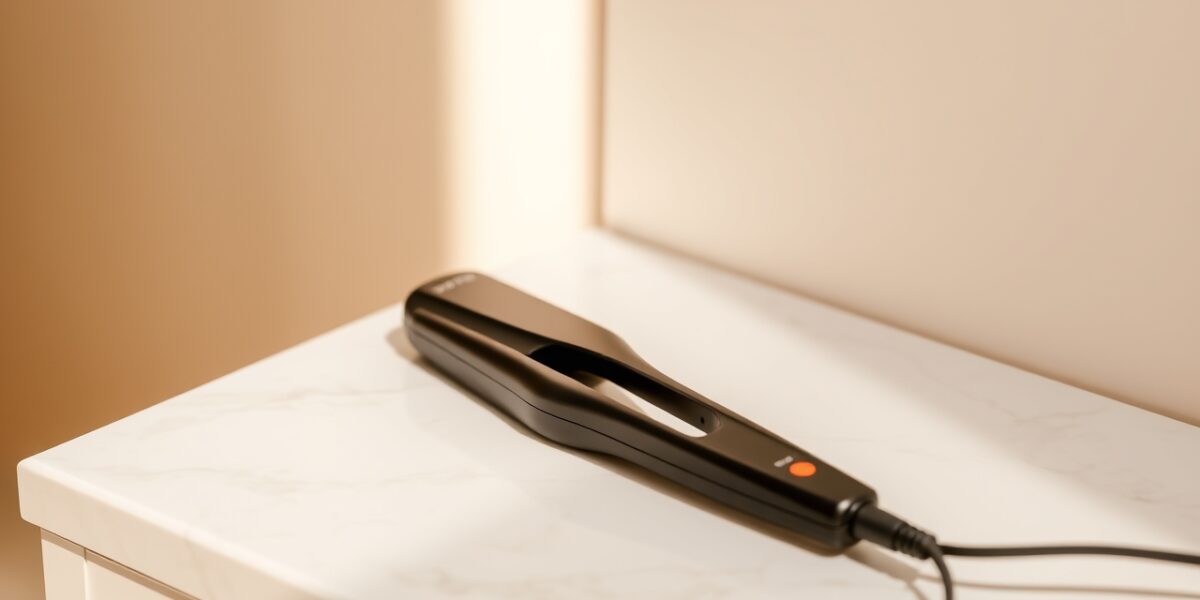
When you’re battling thick, coarse strands, the best flat iron for thick hair isn’t the one with the highest temperature. It’s the tool that delivers even heat, a generous plate surface, and a grip that keeps every strand in place. Years of testing have shown that thick hair resists bending and holds moisture longer than fine hair, so a standard straightener often forces you to glide the iron over the same section multiple times, inviting damage.
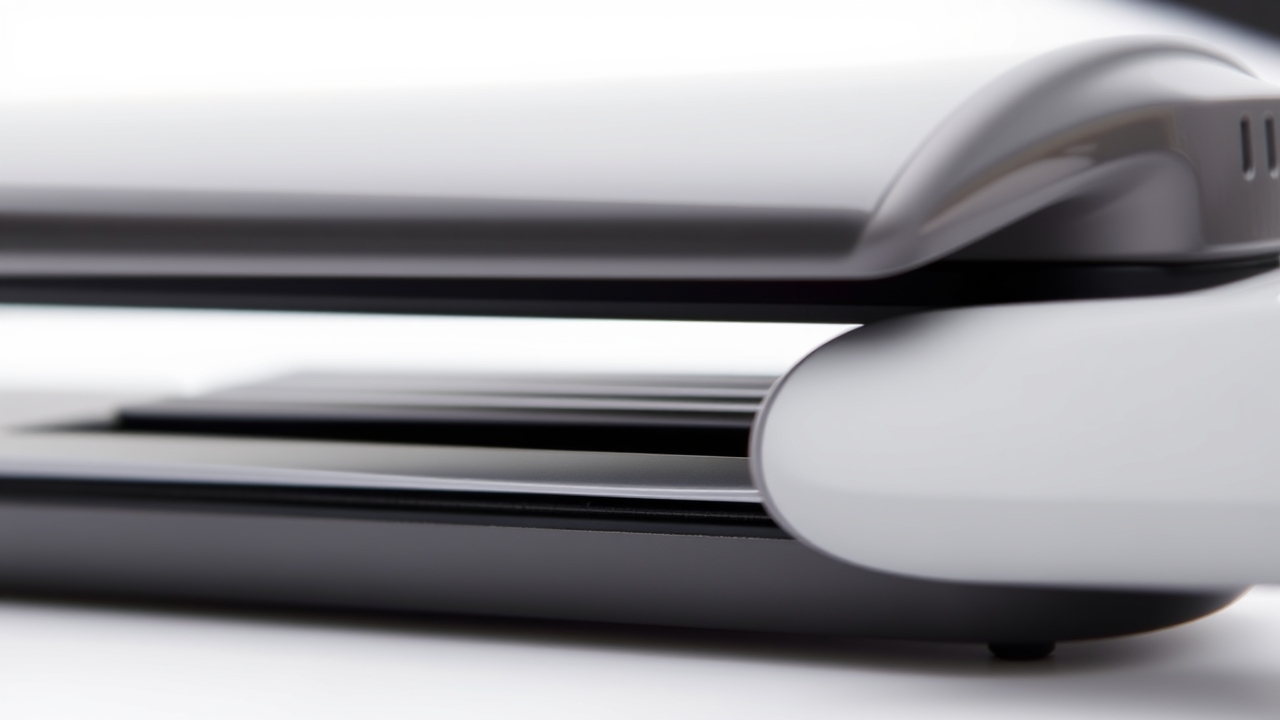
Why Thick Hair Demands a Specialized Straightener
Thick hair is defined by a larger diameter of the individual shaft—more cortex and cuticle to heat through. A straightener meant for fine hair will feel like a toy: the plates slide over the strand and the heat dissipates quickly. The result? Several passes and a frayed finish.
For thick hair, the goal is one‑pass smoothing. That means a straightener with high thermal mass—so it stays hot even when it touches cool hair—and plates that grip firmly. Without those, the hair simply slides through, leaving a jagged edge.


Key Features to Spot
Plate Material: Ceramic, Titanium, or Tourmaline?
The plate’s composition dictates how heat travels into the strand.
- Titanium: The go‑to for thick, coarse hair. Titanium heats faster, keeps a steady temperature, and pushes heat deep into the shaft. It’s ideal when you need a quick, efficient pass.
- Ceramic: Softer on the cuticle, making it a better choice for chemically treated or dry thick hair. Ceramic spreads heat evenly, reducing hot spots that can scorch.
- Tourmaline: Often a coating on ceramic or titanium, it releases negative ions that seal the cuticle, cutting frizz and adding shine.
Why Wide Plates Matter
Using a narrow iron forces you to split your hair into tiny sections, extending the time each strand spends under heat. A wide‑plate iron lets you work larger sections—ideally 1.25 to 1.5 inches—so you can flatten the hair in fewer strokes.
Temperature Control and Precision
Thick hair typically needs 380–450°F to break the hydrogen bonds that create curls or frizz. But applying 450°F to an already smooth section can cause permanent damage. Look for a digital display that shows the exact temperature, so you can dial in the right heat for the crown, which is often denser than the nape.
Technique That Protects Your Hair
Even the best tool is only half the battle. Technique determines whether you end up with a professional blow‑out or a fried look. Here’s a streamlined routine that maximizes efficiency while safeguarding your strands.
Step 1: Prep
Never straighten damp hair. Water inside the shaft turns into steam and forces the cuticle open, leading to “bubble hair.” Start with a blow‑dryer or wait until the hair is fully dry. Apply a heat protectant that’s lightweight yet effective; thick hair’s dense cuticle needs a buffer between metal and strand.
Step 2: Section
Divide the hair into four quadrants—two in the front, two in the back. Use professional clips to keep the rest of the hair out of the way. Even with wide plates, working in manageable sections prevents the iron from overheating mid‑stroke.
Step 3: The “Chase” Method
Hold a fine‑tooth comb in the hair, then slide the flat iron immediately after. The comb aligns the strands, so the plates hit them evenly. This technique is the secret to a glass‑like finish on thick hair.
Step 4: Slow and Steady
Speed invites uneven heat. Glide slowly—just enough to let the heat penetrate the core of each shaft. A rushed pass often turns into three, which is a recipe for damage.
Comparing Thick‑Hair‑Specific Irons to Standard Models
Standard irons are engineered for an average hair diameter. When you apply them to thick hair, you’ll notice the plates feel “squishy” and the temperature drops as soon as the hair touches. That’s heat‑recovery time at work.
A dedicated thick‑hair iron features a robust heating element that recovers its target temperature almost instantly after each pass. That consistency prevents the half‑straightened look that plagues many thick‑hair users.
Maintaining Your Straightener for Longevity
Because thick hair demands more heat and frequent use, product buildup can accumulate quickly. Heat protectants, serums, and oils bake onto the plates, creating a sticky residue that can snag hair.
Clean the plates only when the iron is cool. Use a soft, damp cloth with a dab of rubbing alcohol to wipe away residue. Avoid abrasive scrubbers; scratching titanium plates can create uneven heat distribution and lead to breakage.
The Role of Hair Porosity
Thickness is not the same as density. You can have thick strands with low density or thin strands with high density. Porosity—how well hair absorbs moisture—also matters.
Low‑porosity thick hair resists moisture and heat, so a titanium iron’s intense, direct heat is often the best choice. High‑porosity thick hair absorbs moisture quickly but loses it just as fast; ceramic plates keep the hair from over‑drying.
For a deeper dive into hair structure, check out Wikipedia.
Common Mistakes to Avoid
- Using the highest setting by default: Start at 370°F and increase only if the hair isn’t smoothing.
- Ignoring the ends: The ends of thick hair are often the most porous. Glide faster through them to avoid split ends.
- Skipping the cool‑down: After straightening, the hair is still malleable. Let it cool before tying it into a ponytail to prevent a permanent crease.
If you’re hunting for a new tool, explore the range of quality hair straighteners that cater to different textures. Choose one that balances power, plate width, and ion technology to keep your hair healthy.
Summary Checklist for Buyers
- Plate Material: Titanium for maximum heat; ceramic for protection.
- Plate Width: 1.25 inches or wider for efficiency.
- Temperature: Digital controls reaching at least 400°F.
- Technology: Ionic or tourmaline to fight frizz.
- Build: Heavy‑duty plates that don’t flex under pressure.
Frequently Asked Questions
How do I find the best flat iron for thick hair?
Seek a titanium‑plate iron with a wide design (1.25″+) and adjustable digital temperature. That combo gives you the heat and coverage you need without over‑exposing the strands.
Can I use a ceramic iron on thick coarse hair?
Yes, but it may require more passes. Ceramic is gentler, making it a good choice for color‑treated or dry thick hair.
How often should I straighten thick hair?
Limit heat styling to 2–3 times per week. The higher temperatures required for thick hair amplify cumulative damage, so always use a heat protectant and alternate with heatless styles.
Why does my thick hair frizz immediately after straightening?
Humidity or an unsealed cuticle is usually the culprit. Finish with a lightweight oil or an ionic straightener to lock the cuticle and block moisture.
Do wide plates cause more damage?
No. Wide plates reduce damage because they let you straighten larger sections in one pass, cutting total heat exposure time. They’re a win for thick hair.
Leave a Reply