When you ask how to straighten hair without damage, you’re looking for a method that balances sleekness with health. The temptation to run a flat iron through every strand is strong, but the heat can strip your hair of moisture, break its protein structure, and leave you with brittle, frizzy results. This guide walks you through every step—pre‑styling, the right tools, heat settings, and post‑care—so you can achieve that runway‑ready look without the trade‑off.
Why Heat Styling Can Hurt Your Hair
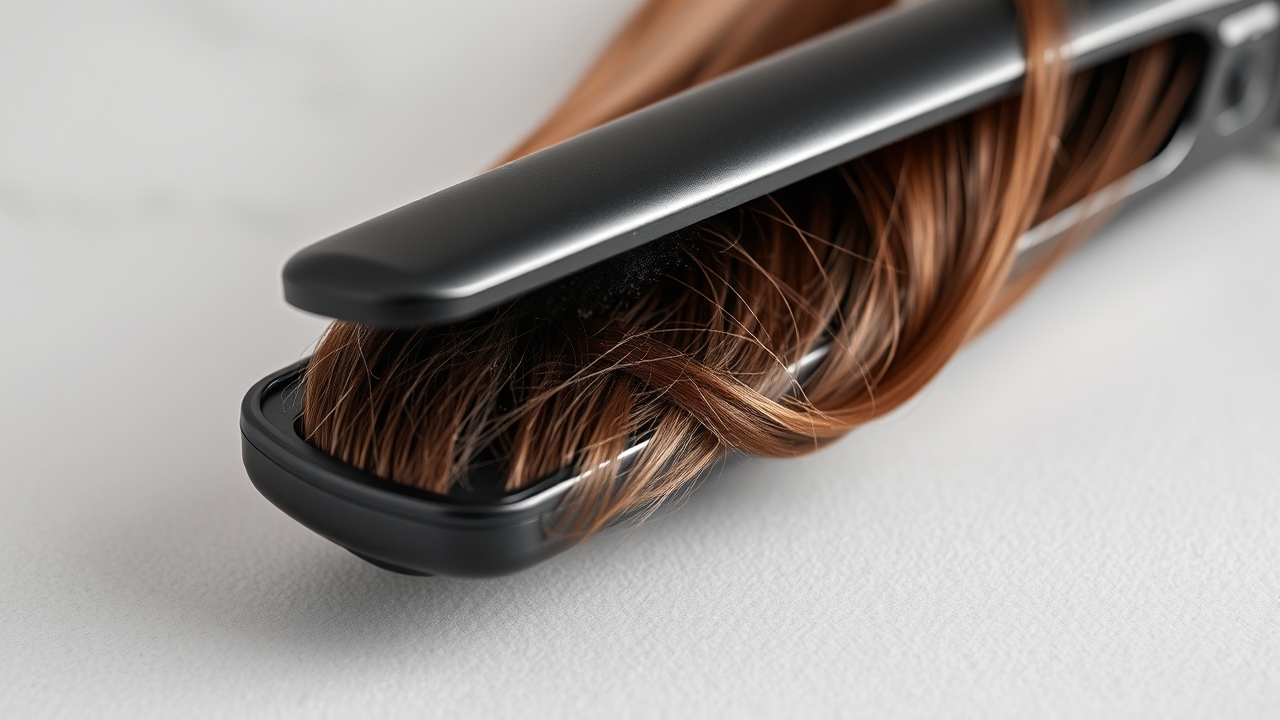
Understanding the science behind heat damage is the first step in protecting your tresses. When you expose hair to temperatures above 200 °F (93 °C), the keratin fibers that give hair its strength begin to denature. The protective cuticle layer lifts, allowing moisture to escape and making the strands more porous. The result? Dryness, frizz, and a loss of shine. If your hair is already compromised by coloring or chemical treatments, the risk of breakage skyrockets.
- Keratin breakdown: High heat weakens the protein bonds that hold each strand together.
- Moisture loss: Heat evaporates natural oils, leaving hair dry and prone to static.
- Color fading: Heat accelerates the oxidation of dye molecules, shortening the life of your color.
- Scalp irritation: Excessive heat can scorch the skin, causing dryness and itching.
For a deeper dive into hair biology, check out the hair biology page on Wikipedia.


Pre‑Styling Preparation
Before you even touch a flat iron, you need to set the stage for a damage‑free straightening session. Follow these steps:
- Wash and condition: Use a sulfate‑free shampoo and a protein-safe conditioner. Aim for a product that restores moisture but doesn’t add heavy oils that can weigh hair down.
- Detangle gently: While the hair is still damp, use a wide‑tooth comb or your fingers to remove knots. Avoid brushing wet hair, which is more susceptible to breakage.
- Apply a heat protectant: Choose a spray, serum, or leave‑in that contains silicones or polymers to form a protective barrier. Even a light mist can reduce the amount of heat absorbed by each strand.
- Dry to 80%: Let your hair air‑dry until it’s about 80% dry. A blow dryer on a low heat setting can help speed up the process, but avoid high heat or excessive airflow.
Selecting the Right Tools
Not all flat irons are created equal. The best ones for how to straighten hair without damage share a few key features:
- Ceramic or tourmaline plates: These materials distribute heat evenly and emit negative ions that help seal the cuticle.
- Temperature control: Look for a unit that lets you set a precise temperature. Most healthy hair types benefit from 300 °F (149 °C) or lower.
- Auto‑off feature: Safety first—an automatic shut‑off after a period of inactivity reduces accidental burns.
- Compact design: A lightweight, ergonomic handle helps you maintain a steady grip and reduces wrist fatigue.
Heat Settings for Different Hair Types
Hair varies from fine to thick, straight to curly. Matching the heat setting to your hair type is essential:
- Fine or thin hair
- Set the iron to 300 °F (149 °C) or lower. A lower temperature prevents the fine strands from melting and losing their natural texture.
- Medium or normal hair
- Use 350 °F (177 °C). This range offers enough heat to glide through the strands without causing excessive moisture loss.
- Thick or coarse hair
- Set the iron to 375–400 °F (190–204 °C). The higher temperature compensates for the extra mass, but never exceed 400 °F to avoid scorching.
- Curl or wave hair
- Start with 300 °F (149 °C) and work in small sections. If your curls are particularly tight, a higher setting may be needed, but keep the duration short.
Step‑by‑Step Straightening Technique
With your hair prepped and your iron ready, follow this routine to keep how to straighten hair without damage at its best:
- Section the hair: Divide your hair into at least three sections—top, middle, and bottom. Use clips to keep each section separate.
- Start at the roots: Place a small section (about 1–2 inches wide) between the plates. Clamp the iron for 1–2 seconds, then glide it down the strand. Avoid sliding the iron back and forth; a single smooth motion reduces heat exposure.
- Work in short bursts: Limit each pass to 2–3 seconds. If you need to re‑apply heat, wait a few seconds before doing so.
- Finish with a light brush: After you’ve straightened a section, run a heat‑resistant brush through it to smooth any remaining waves.
- Repeat and rinse out: Move to the next section and repeat until all hair is straightened. Once finished, apply a lightweight serum or light oil to seal the cuticle and add shine.
Post‑Styling Care
Even after you’ve achieved that glossy look, the job isn’t over. A proper aftercare routine keeps your hair resilient:
- Use a silk or satin pillowcase: These fabrics reduce friction that can cause frizz and breakage while you sleep.
- Apply a leave‑in conditioner: A lightweight, silicone‑free product adds moisture without weighing hair down.
- Limit heat exposure: Try to give your hair a break from heat styling for at least 48 hours between sessions.
- Trim regularly: Removing split ends every 6–8 weeks prevents damage from traveling up the strand.
Special Tips for Specific Hair Concerns
Everyone’s hair is unique. Here are tailored tips for common concerns:
- Color‑treated hair
- Use a color‑safe heat protectant and keep the temperature under 350 °F (177 °C). Avoid harsh chemicals that can strip color.
- Damaged or brittle hair
- Opt for the lowest heat setting and use a protein‑rich conditioner before styling. Consider a heat‑free straightening method like the “no‑heat” technique with a wide‑tooth comb and a diffuser.
- Curly hair that wants to be straightened
- Start with a deep conditioning mask, use a heat protectant, and set the iron to 300 °F (149 °C). Work in very small sections to avoid over‑exposure.
Common Mistakes to Avoid
- Leaving the flat iron on the same spot for too long—this can melt the hair and cause breakage.
- Using a high heat setting on fine or thin hair—fine strands can melt and lose their natural elasticity.
- Skipping the heat protectant—this is the most common reason for heat damage.
- Not clipping the hair into sections—this leads to uneven styling and extra heat exposure.
- Using a cheap flat iron that doesn’t maintain consistent temperature.
FAQs About Straightening Without Damage
- 1. How often can I straighten my hair without causing damage?
- Ideally, limit heat styling to once every 2–3 days. Give your hair a rest to recover moisture and strength.
- 2. Can I use a regular hair dryer to straighten my hair?
- While a hair dryer can smooth and straighten to some extent, it’s less precise than a flat iron. Use a diffuser attachment and low heat.
- 3. Are there any natural methods to straighten hair?
- Yes—methods like the “no‑heat” technique involve using a wide‑tooth comb, a heat protectant, and a diffuser or a flat iron set to the lowest temperature.
- 4. What should I do if my hair feels dry after straightening?
- Apply a lightweight serum or an oil-based leave‑in conditioner. Also, consider a hydrating mask once a week.
- 5. Is it safe to straighten hair that’s been chemically treated?
- Yes, but use a color‑safe heat protectant and keep the temperature below 350 °F (177 °C). Avoid over‑styling and give your hair time to recover.
By following these steps, you’ll master how to straighten hair without damage and keep your tresses healthy, shiny, and resilient. Remember: the key is preparation, the right tools, controlled heat, and diligent aftercare. For more on basic hair care, see our guide on hair care basics.
Leave a Reply