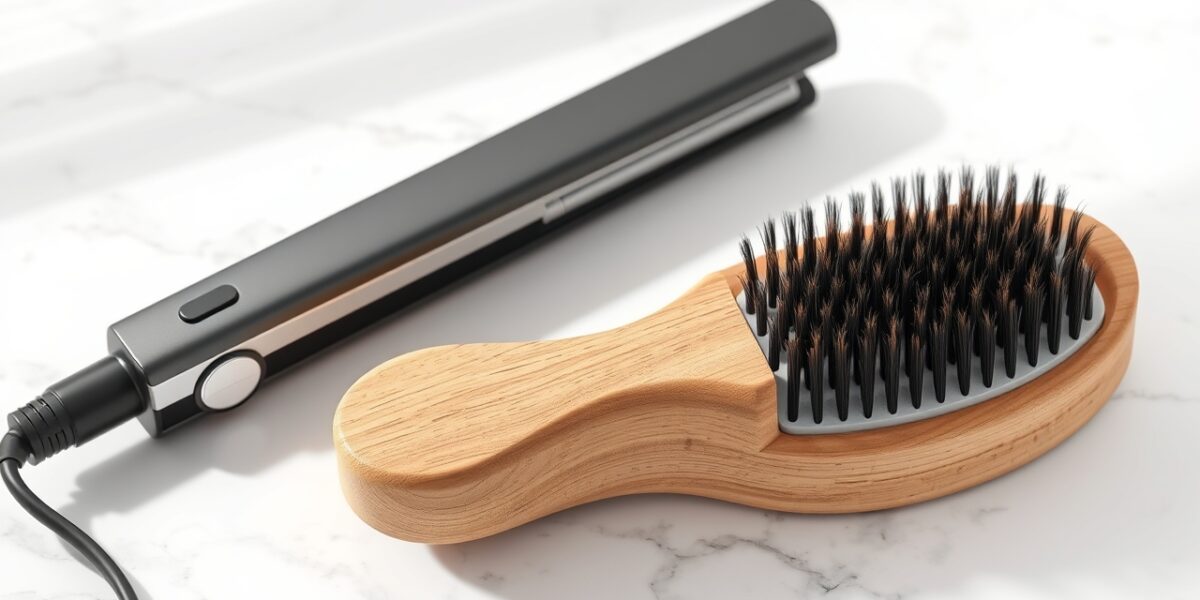
How to get sleek straight hair is a question I hear constantly from people struggling with frizz, humidity, or naturally curly textures that refuse to lay flat. Achieving that mirror-like, reflective finish—often called glass hair—isn’t about just cranking up the heat on a straightener. It is a systematic process that starts in the shower and ends with the right finishing touch. If you simply apply heat to dry or unprepared hair, you risk breakage and a dull finish that looks fried rather than polished.
The Foundation: Preparing Your Hair for a Sleek Hair Look
You cannot achieve a high-shine, smooth result if your hair is starting from a place of dehydration. The secret to a sleek hair look is moisture. When the hair cuticle is open and dry, it catches the light unevenly, which we perceive as frizz or dullness. To get that reflective quality, we need to seal the cuticle flat.
The Importance of the Right Shampoo and Conditioner
I always suggest starting with a smoothing or hydrating shampoo. Look for ingredients that provide slip. Avoid volumizing shampoos when your goal is straightness, as these often open the cuticle to create lift, which is the opposite of what we want for a polished finish. Follow up with a heavy-duty conditioner, focusing primarily on the mid-lengths to the ends. I find that leaving the conditioner on for three to five minutes allows the emollients to penetrate deeper, making the hair more pliable during the heat styling phase.


The Role of a Deep Conditioning Mask
Once a week, I recommend a deep conditioning treatment. This fills in the gaps in the hair shaft. When the hair is internally hydrated, it doesn’t try to soak up moisture from the air, which is the primary cause of hair “poofing” or frizzing up an hour after you’ve straightened it. A well-hydrated strand of hair is naturally heavier and smoother, providing a better canvas for heat tools.
The Drying Phase: Setting the Stage for Pin Straight Hair
Many people make the mistake of air-drying their hair and then trying to flatten it. This is a missed opportunity. To get truly pin straight hair, you need to begin the straightening process while the hair is damp. This is called “rough drying” followed by a tension blow-dry.
The Blow-Dry Technique
Start by towel-drying your hair gently. Do not rub your hair with a rough towel, as this creates friction and raises the cuticle. Instead, squeeze the water out. Apply a heat protectant—this is non-negotiable. Heat protectants create a thin barrier that prevents the moisture inside the hair from boiling and evaporating instantly, which causes those tiny bubbles in the hair shaft known as “bubble hair.”
Use a concentrator nozzle on your dryer. Point the airflow downward from the roots to the ends. This forces the cuticle to lay flat. I use a round brush or a paddle brush to create tension. By pulling the hair taut while applying heat, you are essentially “setting” the hair in a straight position before you even touch a flat iron. This reduces the amount of time you’ll need to spend with the straightener, which in turn reduces heat damage.
Avoiding the “Damp Hair” Trap
One critical rule: never use a flat iron on damp hair. If you hear a sizzling sound, you are effectively boiling the water inside your hair follicles. This leads to permanent structural damage. Ensure your hair is 100% dry before moving to the next step. If you are unsure, feel the roots and the underside of your hair; if it feels cool to the touch, it’s likely still damp.
Mastering the Flat Iron for Glass Hair
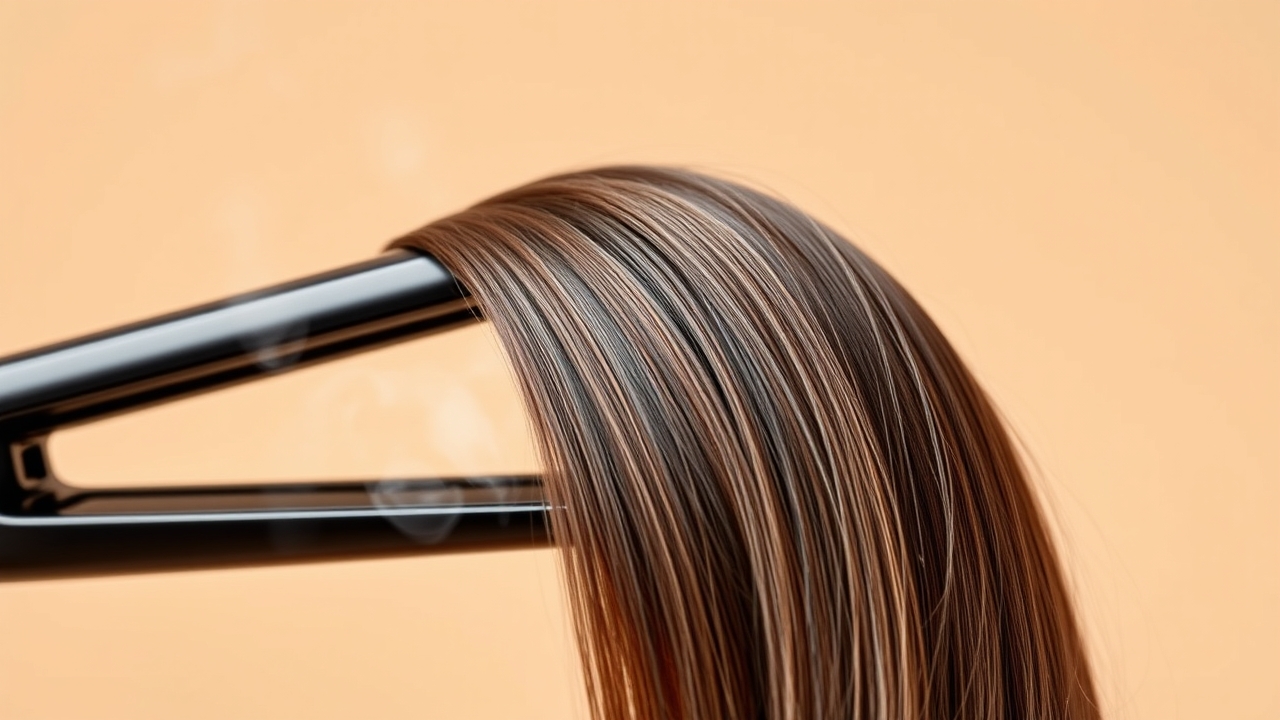
Now we get to the core of how to get sleek straight hair. The difference between a basic straight look and glass hair is the technique and the temperature. Glass hair is characterized by a surface so smooth it reflects light like a mirror.
Choosing the Right Temperature
Temperature settings are not one-size-fits-all. Fine hair usually requires lower heat (around 300-350°F), while thick or coarse hair may need 380-410°F. Going above 450°F is generally unnecessary and risky for most hair types. I always start at the lowest effective temperature and only increase it if a section requires a second pass.
The “Chase Method” for Maximum Smoothness
To achieve a professional smooth sleek style, I use the “chase method.” This involves using a fine-tooth comb in tandem with the flat iron. Place the comb in the hair and follow it immediately with the straightener. The comb separates every single strand, ensuring that the heat plates hit every hair evenly. This prevents the “clumping” that often happens when you just grab a chunk of hair, and it results in a much more precise, polished finish.
Sectioning for Precision
Don’t try to straighten large sections of hair. If the section is too thick, the heat won’t reach the middle strands, and you’ll end up with a result that is straight on the outside but frizzy on the inside. Divide your hair into at least four quadrants. Work from the nape of the neck upward. Take sections no wider than one inch. This ensures consistent heat distribution and a faster overall process because you only have to pass over each section once.
Finishing Touches for a Long-Lasting Result
The work doesn’t end when the iron is turned off. To maintain that glass hair effect, you need to seal the style and protect it from the environment. This is where most people fail, leading to their hair reverting to its natural state within a few hours.
The Power of Finishing Oils and Serums
Once the hair has cooled down—this is important, as styling hot hair can lead to unwanted bends—apply a tiny amount of lightweight finishing oil. I prefer oils rich in argan or jojoba. Rub the oil between your palms to warm it up, then lightly glaze it over the surface of your hair. Focus on the ends to prevent split ends from appearing. The oil acts as a sealant, locking in the smoothness and adding that final layer of shine.
Taming Flyaways
Even with perfect technique, a few flyaways usually pop up at the crown. Instead of spraying your whole head with hairspray, which can make the hair feel stiff and “crunchy,” I use a clean mascara wand or a toothbrush. Spray the tool with a strong-hold hairspray and gently brush down the flyaways. This keeps the rest of the hair moving naturally while ensuring the silhouette remains sharp.
Maintaining Your Sleek Style
Getting the look is one thing; keeping it is another. To ensure your hair stays straight, you need to be mindful of moisture. Humidity is the enemy of pin straight hair because the hair absorbs water from the air, causing the hydrogen bonds to break and the hair to curl or frizz.
- Use a Silk Pillowcase: Cotton creates friction, which ruffles the cuticle while you sleep. Silk or satin allows the hair to glide, preserving the smoothness.
- Avoid Heavy Touching: The oils and moisture from your hands can break down the products you’ve used and create frizz.
- Dry Shampoo Strategically: Oil at the roots can weigh down the sleek look. A light dusting of dry shampoo can keep the roots lifted and fresh without ruining the straightness.
If you’re looking for more tips on maintaining your tools, you can check out our guide on professional heat styling maintenance to keep your equipment in top shape.
Common Mistakes to Avoid
In my experience, most people struggle with how to get sleek straight hair because of a few recurring errors. First is the “over-ironing” habit. Passing the iron over the same piece of hair five or six times doesn’t make it straighter; it just makes it drier. If the hair isn’t straight after two slow passes, your temperature is too low or your section is too thick.
Another mistake is ignoring the back of the head. We often see the front in the mirror and think we’re done, but the crown and the nape often remain wavy. Use a hand mirror or section the back carefully to ensure uniformity.
Lastly, avoid using heavy waxes or pomades on a sleek style. These products can create a “greasy” look rather than a “glassy” look. Stick to serums and light oils that provide shine without adding bulk or weight.
The Science of Hair Straightening
To truly understand how to get sleek straight hair, it helps to understand what is happening at a molecular level. Hair is made of keratin proteins held together by hydrogen bonds and disulfide bonds. Hydrogen bonds are weak and are easily broken by water and heat. When we use a blow dryer or flat iron, we are breaking those hydrogen bonds and reforming them in a straight line. This is why the style is temporary and disappears when you get your hair wet—the water breaks those bonds again.
For more technical information on the structure of the hair shaft and how heat affects protein bonds, you can refer to the detailed entries on hair structure on Wikipedia. Understanding that you are physically altering the shape of the hair helps you realize why heat protection and moisture are so critical to prevent permanent damage to the disulfide bonds, which cannot be easily repaired once broken.
Comparing Different Tools for Straightening
While the flat iron is the gold standard for a smooth sleek style, other tools can play a role. For instance, a hot comb is excellent for getting the roots very close to the scalp, providing a flatter look at the top of the head. A high-quality ionic blow dryer is also essential, as ions help to neutralize the electrical charge in the hair, reducing static and frizz.
I’ve found that ceramic plates are generally better for fine to medium hair as they provide even heat. Titanium plates, on the other hand, heat up faster and maintain a more consistent temperature, making them ideal for those with very thick or coarse hair who need a more powerful tool to achieve pin straight hair.
FAQ: Everything You Need to Know About Sleek Hair
How to get sleek straight hair without damaging it?
The key to avoiding damage is a combination of high-quality heat protectants and temperature control. Never exceed the recommended heat for your hair type, and always ensure the hair is completely dry before using a flat iron. Regular deep conditioning treatments also help maintain the integrity of the hair shaft.
How long does a sleek hair look usually last?
Depending on your hair’s natural texture and the humidity of your environment, a professional sleek style can last from two days to a full week. Using a silk pillowcase and avoiding moisture-heavy environments will extend the longevity of the look.
Can I achieve glass hair if I have very curly hair?
Yes, but it requires more preparation. For very curly hair, I recommend a “blow-out” first to stretch the curls as much as possible before using the flat iron. Using a smoothing cream during the damp phase will also make the process easier and the result more reflective.
What is the difference between a smooth sleek style and just straight hair?
Straight hair is simply the absence of curls or waves. A smooth sleek style, or glass hair, refers to the quality of the finish. It implies a high level of shine, a lack of any visible frizz, and a polished, reflective surface that looks almost liquid.
Should I use oil before or after straightening?
Use a heat-protectant serum or cream before straightening to protect the hair. Use a lightweight finishing oil after straightening to seal the cuticle and add shine. Applying heavy oils before heat can sometimes “fry” the hair if the oil reaches its smoke point.
Leave a Reply