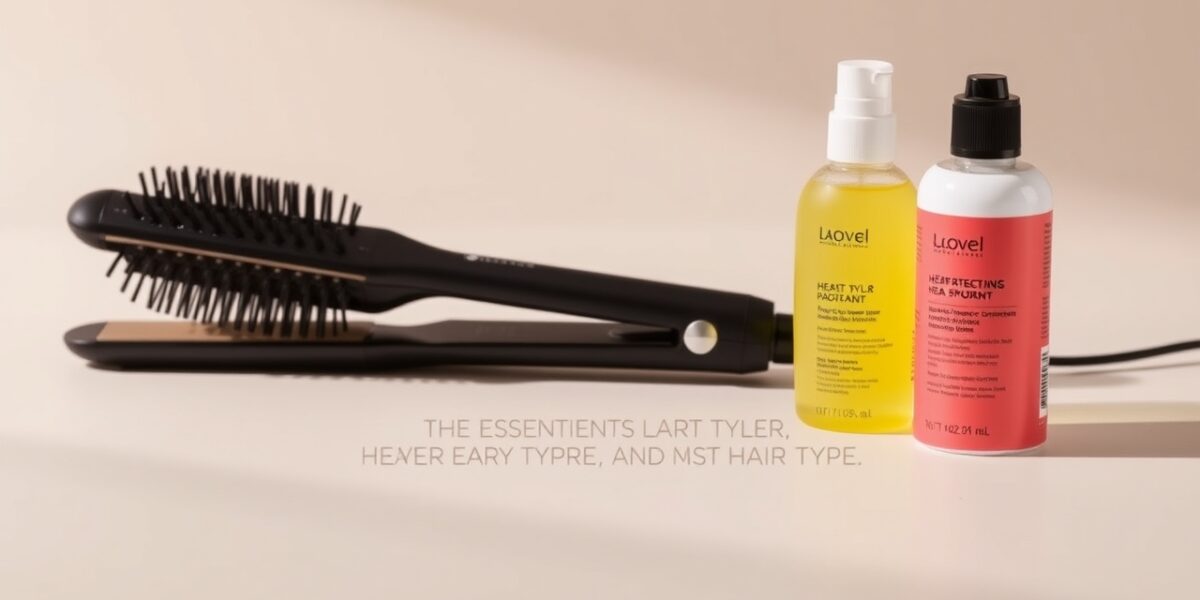
Best heat protectant for straightening is essential for maintaining hair health while achieving sleek results. When you use a flat iron, the temperature can range from 300°F to 400°F, enough to damage cuticles, strip moisture, and cause split ends. A high‑quality protectant acts as a shield, reducing heat transfer and preserving the hair’s natural structure.
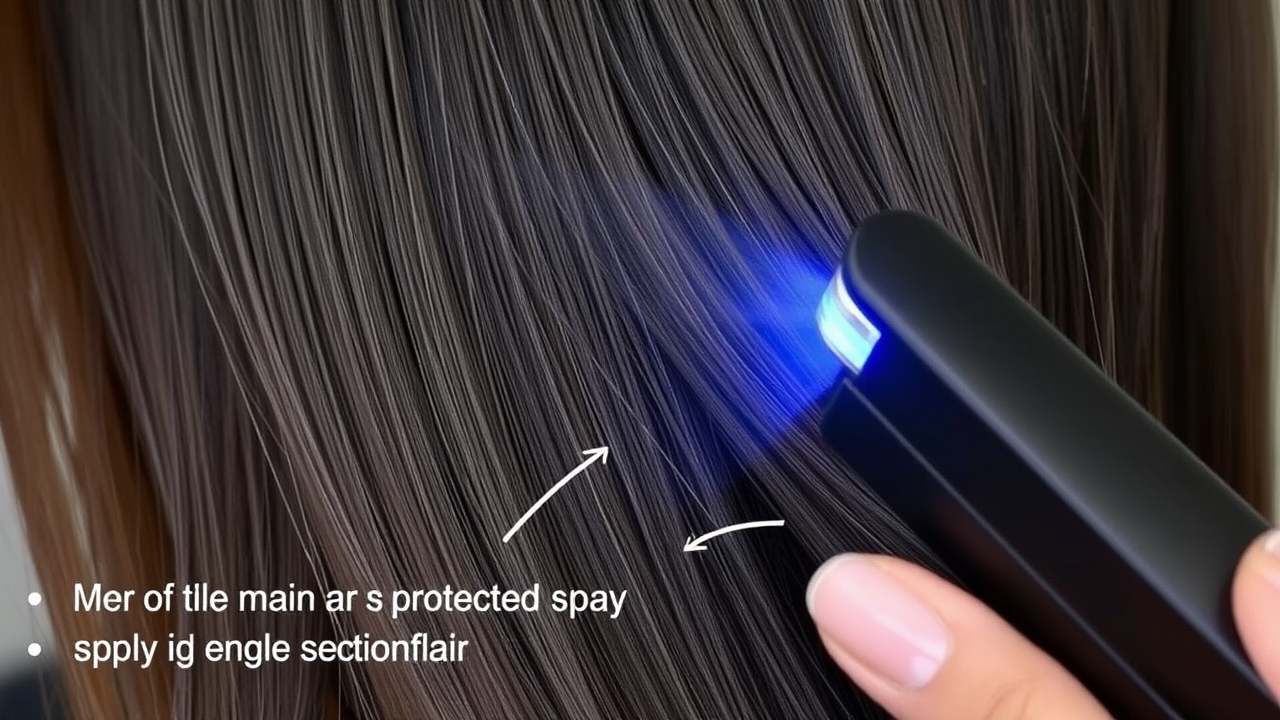
Why Heat Protectants Matter
Heat styling is a daily ritual for many, but it also poses a risk of cumulative damage. The heat from flat irons and curling wands can denature keratin, the protein that gives hair its strength and elasticity. Over time, this leads to frizz, breakage, dullness, and a loss of shine. A good protectant forms a thin film that dissipates heat, keeping the temperature at the surface lower than the core of the strand.
Heat Damage Explained
Heat damage refers to the alteration of the hair’s protein structure when exposed to high temperatures. Heat damage can manifest as frizz, breakage, and dullness. A good protectant forms a thin film that dissipates heat, keeping the temperature at the surface lower than the core of the strand.


Long‑Term Benefits
- Maintains moisture balance
- Reduces the need for frequent trims
- Preserves color and highlights
- Improves overall manageability
- Extends the life of heat styling tools by reducing the need for frequent cleaning
What Makes a Good Heat Protectant?
When evaluating a protectant, consider the following criteria:
1. Ingredient Profile
- Silicones create a barrier; however, some users prefer silicone‑free formulas to avoid buildup.
- Proteins such as hydrolyzed keratin, silk amino acids, and wheat protein repair micro‑fractures.
- Moisturizers like glycerin, panthenol, or hyaluronic acid add hydration.
- Natural oils (argan, jojoba, coconut) provide additional protection and shine.
- Heat‑shielding agents such as dimethicone copolymer or silica nanoparticles.
2. Heat Resistance Rating
Look for products that specify protection up to 400°F or higher. Some labels mention “heat shield” or “thermal barrier” to indicate a higher level of defense. For example, a product rated at 450°F is suitable for high‑end professional irons that often exceed 400°F.
3. Finish and Feel
A good protectant should leave hair smooth without a heavy, greasy residue. It should also be easy to comb through, preventing tangles during the styling process. If you notice a filmy film that clumps when you touch it, the formula may be too heavy for your hair type.
4. Compatibility with Hair Type
- Fine or porous hair benefits from lightweight, silicone‑free sprays that don’t weigh the strands down.
- Coarse or thick hair may need richer creams or serums to fill gaps and prevent frizz.
- Color‑treated hair requires gentle formulas that don’t strip pigment or cause oxidation.
- Curly or wavy hair needs a product that locks in moisture to prevent frizz and maintain curl definition.
Types of Heat Protectants
There are several formats, each with its own advantages.
Sprays
- Fast application, lightweight feel.
- Ideal for quick touch‑ups or when you’re on the go.
- May contain alcohol; choose alcohol‑free for extra moisture.
- Example: TRES‑FARMA Keratin Smooth Heat Protect Spray offers 400°F protection with a lightweight finish.
Creams
- Thicker consistency, excellent for dry or damaged hair.
- Often contain nourishing oils and fusible peptides.
- Requires a bit more time to distribute evenly.
- Example: Olaplex No. 9 Bonding Oil can double as a heat protectant when used sparingly on damp hair.
Serums
- High concentration of silicones for a glossy finish.
- Great for adding shine and smoothing frizz.
- Best used on damp hair before the flat iron.
- Example: Moroccanoil Treatment offers 400°F protection and a natural sheen.
Leave‑In Conditioners with Heat Protection
- These combine conditioning with heat defense.
- Ideal for those who want a single product for multiple benefits.
- Example: Living Proof Perfect Hair Day is a spray that protects up to 400°F while smoothing frizz.
Choosing the Right Heat Protectant for Your Hair Type
Below is a quick guide to match your hair’s needs with the best protectant format.
Fine, Brittle Hair
- Prefer a lightweight spray or a silicone‑free serum.
- Avoid heavy creams that can weigh hair down.
- Look for ingredients like panthenol and glycerin for moisture without heaviness.
Coarse, Thick Hair
- Rich creams or oil‑based serums are ideal.
- They fill in gaps and reduce frizz caused by high heat.
- Consider products with argan or jojoba oil for added softness.
Curly or Wavy Hair
- A water‑based spray or a light leave‑in conditioner helps lock in moisture.
- Silicone‑free options prevent buildup that can flatten curls.
- Use a small amount of oil or butter (e.g., shea butter) on the ends to protect against split ends.
Color‑Treated Hair
- Choose a protectant with UV filters and gentle surfactants.
- Look for “color‑safe” claims and avoid harsh alcohols that can fade pigment.
- Silicone‑free or low‑silicone formulas are often best for maintaining vibrancy.
Men with Short Hair
- Sprays or light serums are quick to apply and keep the hair manageable.
- Products like John Frieda Frizz Ease Extra Strength work well for short, straight hair.
- Consider a daily leave‑in that also provides scalp protection.
Popular Heat Protectant Brands and Products
Here are some of the most frequently recommended products, grouped by format and price range.
High‑End (>$30)
- Moroccanoil Treatment – 400°F protection, rich in argan oil.
- Olaplex No. 9 Bonding Oil – 400°F, double as a bonding oil.
- Living Proof Perfect Hair Day – 400°F spray, frizz‑free finish.
- Redken Extreme Anti‑Frizz Spray – 400°F, silicone‑free.
Mid‑Range ($20–$30)
- TRES‑FARMA Keratin Smooth Heat Protect Spray – 400°F, lightweight.
- Paul Mitchell Super Skinny Serum – 400°F, reduces drying time.
- Living Proof No Frizz Heat Protect Spray – 400°F, water‑based.
- Shea Moisture African Black Soap Heat Protectant – 400°F, natural ingredients.
Budget ($10–$20)
- Garnier Fructis Sleek & Shine Heat Protectant – 400°F, affordable.
- Head & Shoulders Platinum Anti‑Frizz Spray – 400°F, dandruff‑friendly.
- Suave Heat Protectant Spray – 400°F, widely available.
- OGX 2-Hour Refreshing Dry Shampoo + Heat Protectant – 400°F, multitasker.
Common Mistakes to Avoid When Using Heat Protectants
- Skipping the protectant entirely – Even a short styling session can cause cumulative damage.
- Using too much product – Over‑application can weigh hair down and create a greasy look.
- Applying to wet hair – Most protectants are designed for damp or dry hair; using them on wet strands can dilute the formula.
- Not reapplying after each pass – Heat can strip the protective layer, especially on barley or coarse hair.
- Ignoring the temperature setting – Using a high‑heat setting on a product rated for 300°F can defeat the purpose.
DIY Heat Protectant Recipes
For those who prefer natural or budget options, you can create your own heat protectant at home. Keep in mind that homemade formulas may not offer the same level of heat shielding as commercial products.
1. Coconut Oil & Glycerin Spray
- 1 tsp coconut oil, 1 tsp glycerin, 1 cup distilled water.
- Heat gently until the oil melts, then mix with water.
- Shake well before each use.
- Spray lightly on damp strands; heat at 350°F.
2. Aloe Vera & Vitamin E Serum
- 1 cup aloe vera gel, 1 tbsp vitamin E oil, 1 tbsp jojoba oil.
- Blend until smooth.
- Apply a small amount to damp hair before straightening.
- Test on a small section to ensure it doesn’t weigh down fine hair.
Step‑by‑Step Application (Detailed)
Step 1: Prep Your Hair
- Wash with a sulfate‑free shampoo and a hydrating conditioner.
- Apply a leave‑in conditioner if your hair is especially dry or damaged.
- Gently towel‑dry to 20–30% moisture; avoid vigorous rubbing.
- Use a heat‑resistant hair dryer on a low setting if you need to speed up drying.
Step 2: Distribute the Protectant
- Hold the bottle 6–8 inches from the scalp to ensure even coverage.
- For sprays: mist 3–4 times, focusing on the mid‑shaft and ends.
- For creams or serums: apply a pea‑size amount to each hand, rub between palms, then comb through.
- Ensure every strand has a thin, uniform coating.
Step 3: Comb Through
- Use a wide‑tooth comb or a brush with flexible bristles.
- Start at the ends and work up to avoid pulling.
- Remove tangles before heat styling.
Step 4: Heat Styling
- Set your flat iron to the recommended temperature for your hair type (e.g., 350°F for fine hair, 400°F for thick hair).
- Section hair into manageable parts (usually 1–2 inches wide).
- Slide the iron through each section in one smooth motion, holding for 1–2 seconds.
- Repeat if necessary, but avoid excessive passes.
Step 5: Post‑Styling Care
- Apply a light serum or finishing oil to lock in moisture.
- Use a microfiber towel or cotton t-shirt to blot excess oil.
- Let hair cool before brushing to prevent frizz.
Tips for Long‑Lasting Protection
- Use a heat‑resistant hair dryer to reduce the need for high‑temperature irons.
- Apply a small amount of leave‑in conditioner before the protectant for added moisture.
- Store heat protectants in a cool, dry place; avoid direct sunlight which can degrade silicones.
- Replace your protectant every 3–6 months, even if the bottle is still full.
When to Reapply?
- If you notice the hair feels dry or frizzy after the first pass, reapply a light mist.
- For very thick or curly hair, a second application on the mid‑shaft can help.
- Never reapply on wet hair; wait until hair is damp or dry.
Signs Your Protectant Isn’t Working
- Persistent frizz or static after styling.
- Hair feels brittle or breaks easily during combing.
- Visible residue or film that clumps when touched.
- Color fades or oxidizes faster than usual.
FAQ
1. Can I use my regular conditioner as a heat protectant?
No. While conditioners hydrate, they don’t form a heat‑blocking barrier. A dedicated heat protectant contains silicones or heat‑shielding agents that reduce temperature transfer.
2. Is a silicone‑free protectant better for long‑term health?
Silicones help smooth cuticles and reduce frizz, but some people experience buildup over time. Silicone‑free formulas are lighter and easier to wash out, but they may require more frequent application.
3. How often should I replace my heat protectant?
Most manufacturers recommend a 3‑to‑6‑month replacement cycle, even if the bottle appears full. Over time, the active ingredients can degrade, reducing effectiveness.
4. Can I use a heat protectant on hair extensions?
Yes, but choose a lightweight, non‑greasy formula to avoid weighing down the extensions. Test on a small section first to ensure compatibility.
5. What temperature should I set my flat iron for different hair types?
Fine or thin hair: 300–350°F. Medium‑thick hair: 350–375°F. Thick or coarse hair: 375–400°F. Always start at the lower end and increase only if needed.
Conclusion
Choosing the best heat protectant for straightening is more than picking a spray or serum; it’s about understanding your hair’s unique needs, the ingredients that protect, and the correct application technique. By following the steps above and avoiding common pitfalls, you can keep your hair healthy, shiny, and ready for any style—without compromising on the sleekness that a flat iron delivers.
Leave a Reply