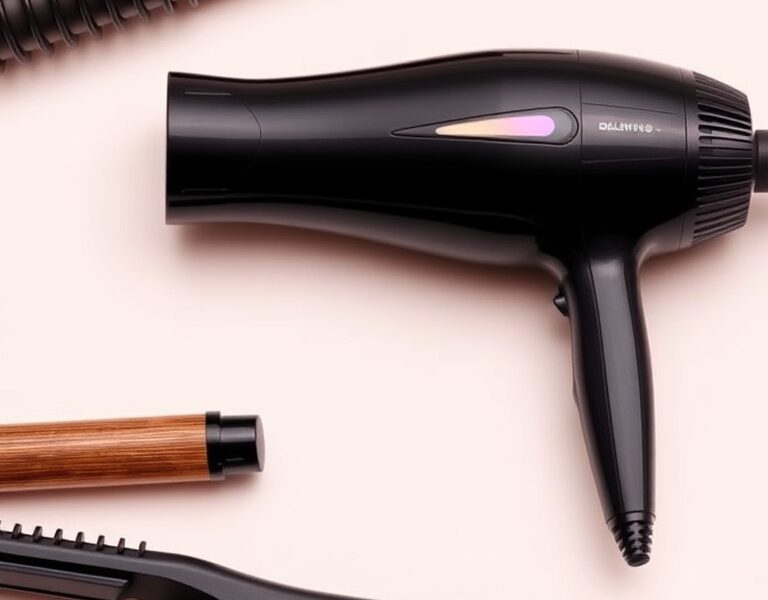
do you need a heat protectant? That question pops up every time you reach for a flat iron, curling wand, or even a simple hair dryer. The answer is not a simple yes or no; it’s a nuanced look at how heat interacts with hair, the role of protectants, and the best practices to keep your mane healthy.
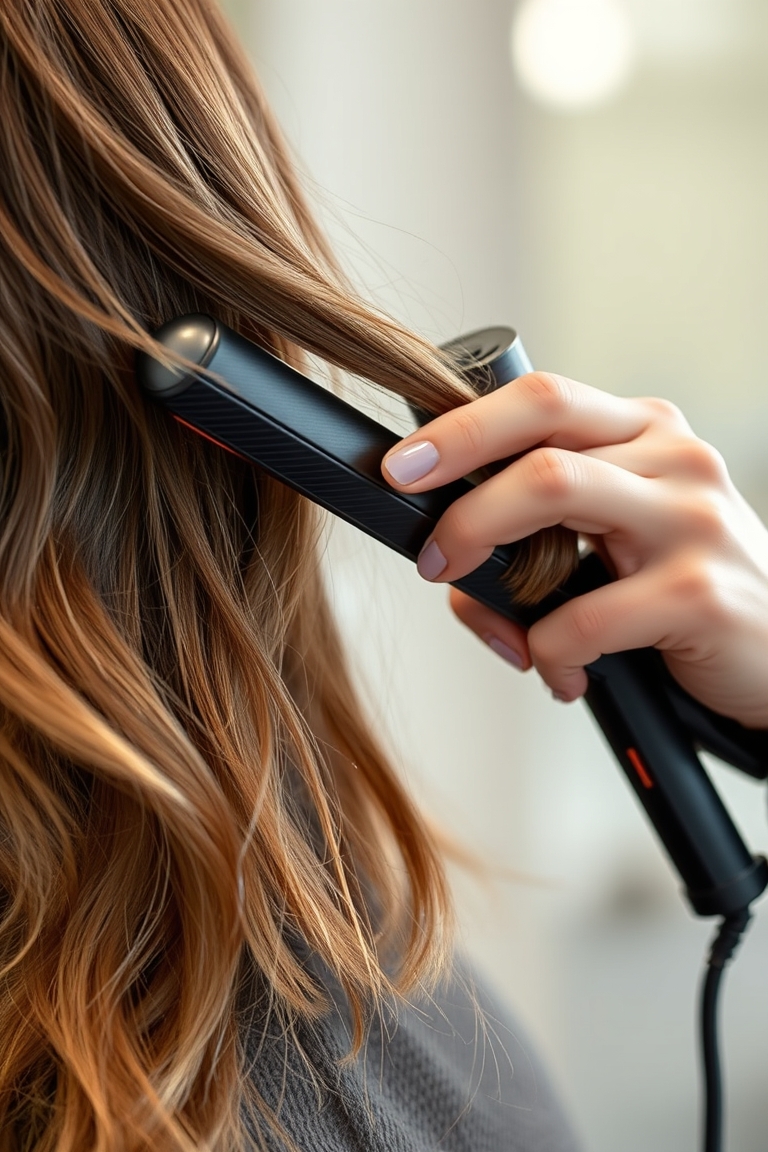
What Happens to Hair When It’s Heated?
Hair is primarily made of a protein called keratin, wrapped in a protective cuticle layer. When you expose hair to heat, several things happen:
- Cuticle damage: The cuticle scales lift, creating roughness that can lead to frizz, breakage, and dullness.
- Water loss: Heat evaporates moisture from the cortex, causing the hair shaft to shrink and become brittle.
- Protein denaturation: Excessive heat can alter the protein structure, making it harder for the hair to retain its natural shape and elasticity.
Understanding these changes helps explain why a heat protectant is often recommended. It’s not just about adding shine; it’s about creating a barrier that moderates these effects.


Why Use Heat Protectant? The Core Benefits
Heat protectants are formulated to form a thin film around each strand. This film does three key things:
- Heat distribution: It spreads heat more evenly, reducing hot spots that can cause sudden damage.
- Moisture retention: Many protectants contain humectants that lock in moisture, keeping the cortex hydrated.
- Barrier against UV and chemicals: Some protectants also contain UV filters or antioxidants, offering extra protection when you’re outdoors or using color treatments.
In short, while you’re still using a hot tool, a heat protectant can lower the temperature impact by up to 20‑30°F, according to some studies on thermal transfer. That might sound small, but over a 20‑minute styling session it can mean the difference between a smooth finish and a damaged strand.
Do You Really Need a Heat Protectant?
For most people, yes—especially if you use heat tools more than once a week. However, the necessity can vary based on hair type, tool intensity, and overall hair health. Here’s a quick decision guide:
- Fine or fragile hair: Always use a protectant. Even low‑heat settings can cause breakage.
- Curly or textured hair: Protectants help maintain curl pattern and reduce frizz.
- Coarse or thick hair: A light mist might suffice; heavy creams can weigh hair down.
- Color‑treated or chemically processed hair: Protectants with added antioxidants are a must.
If you’re a professional stylist who styles clients daily, the recommendation is even stronger. The cumulative effect of repeated heat exposure can accelerate damage, so a protectant is an essential part of the workflow.
Skipping Heat Protectant: What Can Go Wrong?
Many people skip the step because it feels extra or because they think the heat tool alone is enough. The truth is that skipping a protectant can lead to:
- Increased frizz: The cuticle is more porous, allowing air and moisture to escape unevenly.
- Split ends: Hot edges can cause micro‑splits that grow into larger splits over time.
- Loss of shine: Cuticle lift scatters light, making hair appear dull.
- Longer drying times: Without moisture retention, hair dries slower, prolonging heat exposure.
In the worst case, repeated heat damage can alter the hair’s natural structure, making it permanently more prone to breakage.
Choosing the Right Heat Protectant
Not all protectants are created equal. Here are the main categories you’ll encounter:
- Sprays: Easy to apply and light; best for fine or fine‑to‑medium hair.
- Serums and oils: Provide extra shine and work well on thicker or coarser hair.
- Creams and leave‑in conditioners: Offer moisture and are ideal for dry or damaged hair.
When selecting a product, look for ingredients that match your hair’s needs—silicones for shine, proteins for strength, or natural oils for moisture. Avoid overly heavy formulas on fine hair; they can weigh strands down and reduce the effectiveness of heat tools.
How to Apply Heat Protectant Effectively
Application technique matters as much as the product itself. Follow these steps for optimal results:
- Start with damp hair: After washing, towel‑dry until slightly damp. Heat protectants work best on wet strands.
- Use the right amount: A pea‑size amount for spray, or a dime‑sized dollop for cream/serum.
- Distribute evenly: Comb through with a wide‑tooth comb to ensure every section gets coated.
- Let it penetrate: Wait 30‑60 seconds before styling to allow the film to set.
- Style at recommended temperature: Even with protectant, keep your tool’s heat within the manufacturer’s suggested range.
Remember, the goal is a thin protective layer, not a thick coating that clogs the heat source.
Heat Protectant vs. Heat Spray: What’s the Difference?
Both terms are often used interchangeably, but there’s a subtle distinction:
- Heat protectant: A broader category that can include sprays, serums, or creams designed to shield hair from heat.
- Heat spray: A specific type of protectant that is a liquid aerosol, typically easier to apply but may lack the moisture‑retention properties of creams.
Choosing between the two depends on your hair type and styling routine. If you dread the sticky feel of a cream, a heat spray can be a quick alternative—just ensure it contains a heat‑smoothing agent.
Integrating Heat Protectant into Your Routine
Here are practical ways to make heat protectant a habit:
- Keep it visible: Store it in an easily reachable spot in your bathroom or salon.
- Use it on every styling session: Treat it as a pre‑styling step, just like you would a shower cap for a haircut.
- Pair with a heat‑sensitive tool: If you use a high‑temperature curling wand, make protectant compulsory.
- Educate clients: In a salon setting, explain the science behind heat protectant to encourage repeat use.
Consistency is key. Over time, you’ll notice a smoother finish, less breakage, and a healthier look.
Scientific Insight: How Heat Protectants Work
According to research on thermal transfer, a well‑applied heat protectant can reduce the heat reaching the hair shaft by up to 30%. The protective film acts as a thermal insulator, lowering the temperature the cortex experiences. Studies on keratin proteins also show that maintaining moisture content during heat exposure preserves the hair’s elasticity, reducing the likelihood of split ends.
For a deeper dive into the science of heat and its effects on materials, you can read the Wikipedia page on heat, which explains how temperature changes can affect structural integrity.
Frequently Asked Questions
do you need a heat protectant?
Yes, especially if you use heat tools more than once a week. It helps protect the cuticle, retains moisture, and distributes heat evenly.
What are the benefits of using a heat protectant?
Heat protectants reduce heat damage, prevent frizz, maintain shine, and can even protect against UV exposure if they contain filters.
Can I skip the heat protectant if I use low heat?
Even low heat can cause damage over time. Skipping the protectant may lead to cumulative damage, so it’s safer to use one every time.
How does a heat spray differ from a regular heat protectant?
A heat spray is a lightweight aerosol form of a protectant. It’s easier to apply but may not provide the same moisture retention as creams or serums.
Is it okay to use a heat protectant on dry hair?
It’s best to apply on damp hair for maximum effectiveness. On dry hair, the protectant may not distribute as evenly and could leave a residue.
For more insights on hair care and styling tools, you can explore additional resources on our site to learn how to care for your hair and choose the right equipment.
Leave a Reply