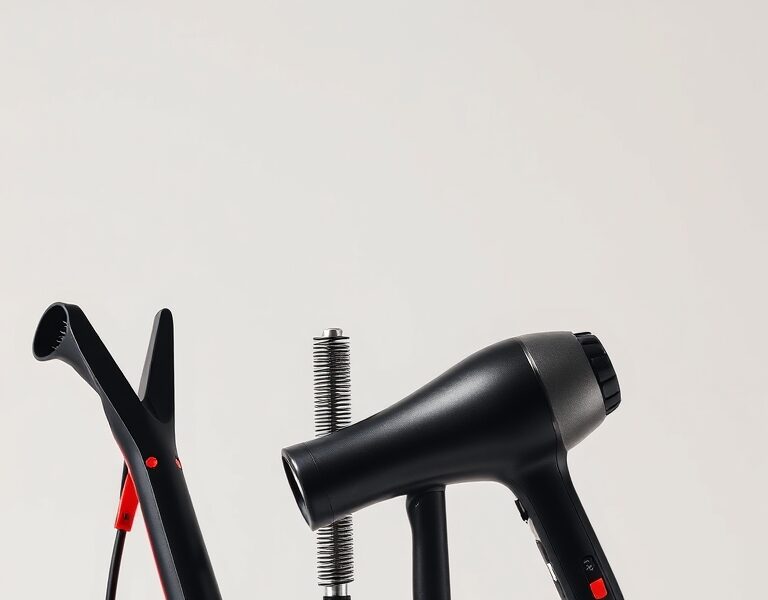
How to use a hair straightener can transform your look in minutes. While the idea of sleek, straight hair seems simple, achieving professional results requires attention to detail, proper technique, and safety awareness. Below you’ll find a thorough step‑by‑step guide that covers everything from prep to finishing touches, ensuring you can use a hair straightener confidently and protect your strands from heat damage.
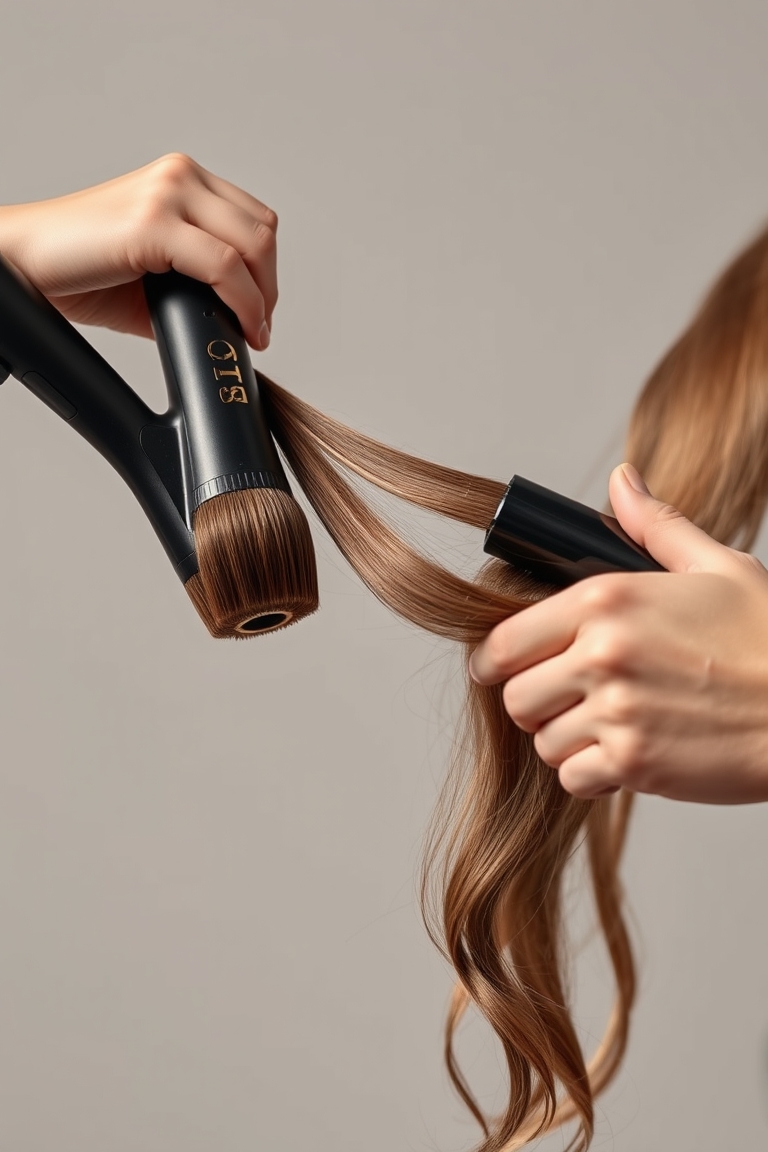
How to Use a Hair Straightener
Before you even touch the flat iron, you need to understand the fundamentals that make the process effective. Knowing how to use a hair straightener starts with selecting the right device, preparing your hair, and mastering the motion that will give you a smooth finish.
Gather the Right Tools
- Flat iron with adjustable temperature settings (preferably 300‑350°F for fine hair and 350‑400°F for thick or curly hair).
- Heat‑protectant spray or serum.
- Wide‑tooth comb or brush.
- Sectioning clips or hair ties.
- Optional: microfiber towel or a heat‑resistant hair drying cap.
Prep Your Hair
Heat damage is the most common risk when using a straightener. To mitigate this, always start with clean, dry hair. If your hair is damp, towel‑dry it gently and apply a generous amount of heat protectant. This barrier reduces the amount of heat the strands absorb and keeps them hydrated.


Set the Temperature
Most modern flat irons feature a digital thermostat. If your device has one, set it according to your hair type:
- Fine or thin hair: 300–320°F.
- Normal hair: 320–350°F.
- Coarse or curly hair: 350–400°F.
- Damaged or chemically treated hair: 300–320°F to avoid further breakage.
Remember, higher temperatures don’t always mean faster straightening. Use the lowest effective heat to achieve the best results.
Sectioning for Even Results
Divide your hair into manageable sections—typically three to four, depending on length. Clip the top section out of the way and work from the bottom up. Sectioning keeps the heat distribution even and reduces the amount of time each strand is exposed to the iron.
The Straightening Technique
1. Place the flat iron at the root of a small section, ensuring the plates are parallel to the scalp.
2. Gently glide the iron down the shaft of the hair, maintaining a steady pace. Avoid dragging the iron too quickly; this can cause uneven heat distribution and frizz.
3. When you reach the ends, hold the iron for an extra two seconds to lock in the straightness. Then release and repeat with the next section.
Use a light touch. The plates should press firmly enough to make contact with the hair but not so hard that you risk cracking or scratching the device. Keep the iron moving; a stationary plate can cause hot spots and damage.
Finishing Touches
After you have straightened all sections, run a cool cycle through the hair to seal the cuticle. Finish with a light mist of leave‑in conditioner or a shine serum to lock in moisture and add a healthy glow. Avoid heavy products that can weigh the hair down.
Flat Iron Tips for Flawless Results
Even with the basics mastered, expert techniques can elevate your straightening game. Below are proven flat iron tips that help you avoid common pitfalls.
Choose the Right Plate Material
Ceramic plates distribute heat evenly and reduce static. Tourmaline-infused plates emit negative ions that help smooth the hair cuticle. If you’re dealing with very fine or damaged hair, consider a titanium plate for quicker heat. Each material has its own benefits, so choose based on your hair’s needs.
Use Protective Products
Heat protectants come in sprays, creams, and serums. Look for ingredients such as silicones, panthenol, or natural oils. Apply the product evenly and let it dry before straightening. Protective products not only shield your hair but also improve the glide of the iron.
Avoid Common Mistakes
- Never use a bare, dirty iron. Residue can cause uneven heat and damage.
- Do not let the iron rest on the same spot for more than 5 seconds.
- Avoid straightening wet hair; it will be more prone to breakage.
- Never leave the iron plugged in unattended.
Straighten Hair Properly for Different Textures
Hair texture dictates the best approach. Below are tailored strategies for each common hair type.
Fine Hair
Fine hair is sensitive to heat. Use the lowest temperature setting and keep the iron moving quickly. Section the hair into very small strands for even heat distribution. Finish with a lightweight spray to prevent frizz.
Coarse or Curly Hair
Coarse strands need higher heat for a smooth finish. Start with a heat protectant that contains oils to moisturize. Work in longer sections, and consider using a comb under the straightener to help glide through tight curls.
Damaged Hair
Heat can worsen damage. Keep the temperature low and use a protein-rich heat protectant. After straightening, apply a deep‑conditioner mask once a week to restore moisture.
How to Flat Iron Safely and Efficiently
Safety is paramount when working with high temperatures. Follow these guidelines to protect your hair and your home.
Temperature Control
Always use a flat iron with a thermostat. Avoid “on the fly” heat adjustments. If your device lacks a thermostat, preheat it for 30 seconds and test a small section before full use.
Short Strokes
Long, sweeping strokes can create hot spots. Instead, use short, controlled strokes that keep the plates in contact with the hair for an even amount of time. This technique reduces the risk of scorching any section.
Letting Hair Cool
After straightening, allow your hair to cool fully before styling further. Cooling locks the cuticle and prevents the hair from becoming brittle.
Straightening Guide for Busy Mornings
When time is limited, a streamlined routine can still produce excellent results. Here’s a quick‑start plan that works for most hair types.
Quick Prep Steps
- Wash and condition hair the night before.
- Use a heat protectant spray and let it dry—no need for a blow‑dryer.
- Section the hair into four parts using clips.
Time‑Saving Techniques
- Use a wide‑tooth comb to detangle before straightening.
- Apply a lightweight serum after the final section to reduce frizz.
- Keep the flat iron plugged in but turned off until needed.
For a deeper dive into the nuances of straightening, visit our hair straightener guide which covers advanced techniques, product recommendations, and troubleshooting tips.
FAQ
- How to use a hair straightener safely with curly hair? Start with a heat protectant, use a higher temperature, and work in small sections to maintain control.
- Can I use a hair straightener on wet hair? It’s best to keep hair dry; wet hair is more susceptible to heat damage.
- What is the ideal temperature for fine hair? 300‑320°F is usually sufficient; higher temperatures can cause breakage.
- How often should I replace my flat iron? Replace it every 12‑18 months or when the plates become uneven or the heating element fails.
- Will using a hair straightener shrink my hair? Proper technique and heat protectant prevent shrinkage; improper use can cause frizz.
Leave a Reply