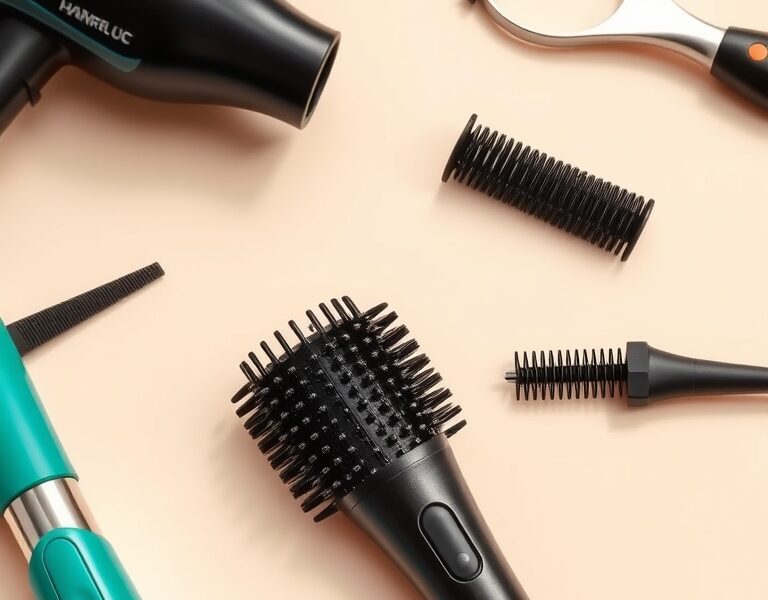
Signs of heat damaged hair are often the first warning that your styling routine is pushing your strands beyond their natural limits. If you notice any of the indicators below, it’s time to pause, assess, and act before the damage worsens.
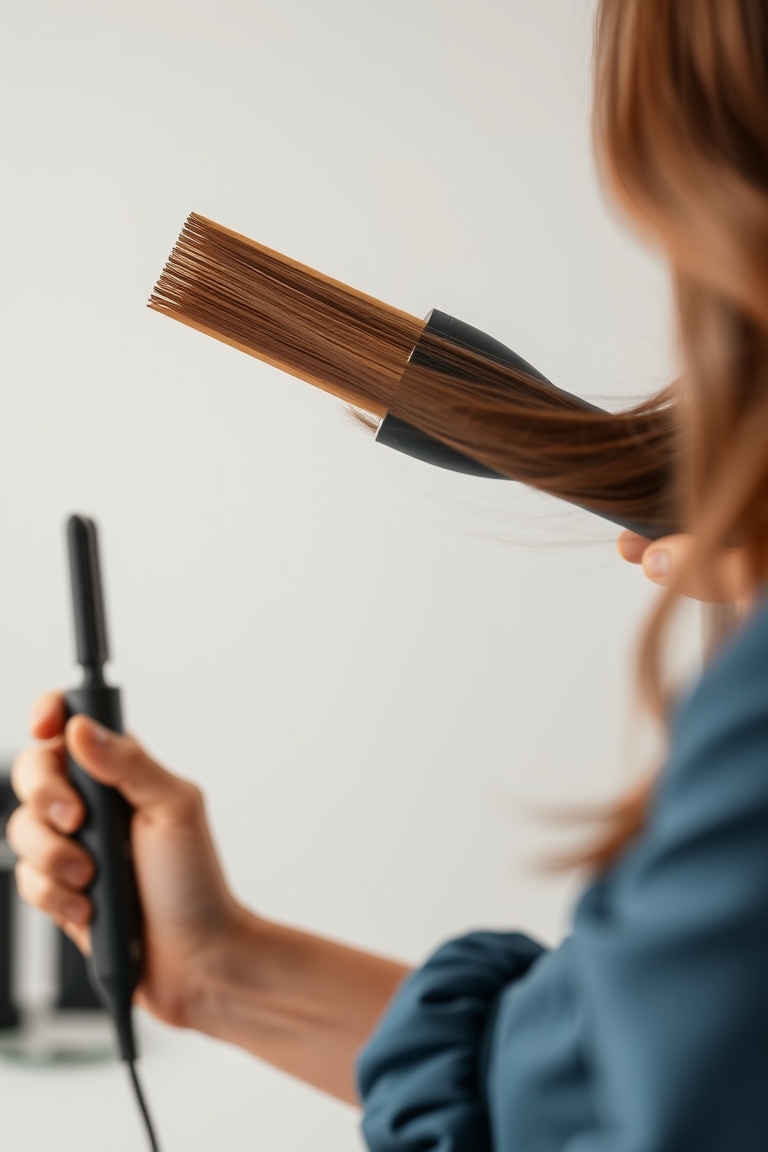
What Are the Signs of Heat Damaged Hair?
Heat damage symptoms can appear subtly or dramatically. Below are the most common indicators you’ll see if your hair is suffering from excessive heat:
- Increased frizz and flyaways – Hair that feels frizzy when you touch it or looks like it’s “on fire” after a blow‑dry.
- Brittle, break‑prone strands – Hair snaps easily when you try to comb or braid it.
- Dull, lifeless appearance – Even a well‑conditioned scalp can look flat if the cuticle is lifted.
- Split ends that appear sooner – Split ends that show up after only a few wash cycles.
- Texture changes – Hair feels rougher or feels like a different texture than before.
- Dryness and lack of moisture – Hair feels dry to the touch, even after moisturizing treatments.
- Loss of elasticity – Hair straightens too easily and doesn’t bounce back when you pull it.
- Visible cuticle lifting – When you hold a strand, you can see the shiny, lifted cuticle layers.
- Scalp irritation – A hot, itchy scalp may accompany heat styling.
- Slow growth or hair loss – Over time, repeated heat can weaken follicles, slowing growth.
Why Does Heat Cause Damage?
Hair is composed of a protein called keratin. When exposed to temperatures above 300°F (150°C), the protein bonds begin to break down. The cuticle layer—tiny scales that protect the inner cortex—gets lifted, allowing moisture to escape and leaving the strand vulnerable. Repeated exposure is what ultimately leads to the symptoms above.


Common Heat Styling Practices That Lead to Damage
- Frequent use of flat irons or curling irons – Using them more than twice a week can be enough.
- High heat settings – Setting the iron to the maximum temperature, especially on fine or already damaged hair.
- Excessive blow‑drying on high heat – Leaving a blow dryer on the same spot for too long.
- Using poor quality heat protectants that evaporate quickly.
- Styling wet hair with high heat—hair is more fragile when damp.
Step‑by‑Step Guide to Fix Heat Damage
Below is a practical routine you can follow at home or in a salon to repair and protect your hair from further heat damage.
1. Cut the Damage Out
Trimming split ends is the most effective way to stop damage from traveling up the strand. Aim for a trim every 6–8 weeks. If you’re self‑trimming, use sharp scissors and focus on the tips—don’t cut too aggressively, or you’ll lose length.
2. Deep Condition Weekly
Use a protein‑rich mask once a week. Protein helps rebuild the keratin structure, but avoid over‑proteinning—use a moisturizing mask if your hair feels dry. For example, a 3‑minute protein treatment can be followed by a 10‑minute oil mask for balanced hydration.
3. Use a Heat Protectant Every Time
Apply a lightweight, silicone‑free heat protectant to damp hair before styling. The product creates a barrier that reduces heat absorption. Look for ingredients like dimethicone copolymer, but avoid heavy silicones that can weigh hair down.
4. Lower the Temperature
Set flat irons and curling irons to the lowest effective temperature. For fine hair, 250–300°F is often enough. If you’re styling thick or coarse hair, you may need up to 350°F, but still keep it as low as possible.
5. Limit Styling Frequency
Give your hair a break by styling only 2–3 times a week. On rest days, let it air‑dry. If you must use heat, rotate tools—use a curling iron one day, a flat iron the next—to distribute stress.
6. Dry with a Cool Shot
Finish blow‑drying with a cool air burst to set the cuticle and reduce frizz. A cool shot locks in the moisture that the heat has just removed.
7. Detangle Gently
Use a wide‑tooth comb or a detangling brush while the hair is still damp to prevent breakage. Start at the ends and work your way up, removing knots gradually.
Identifying Heat Damage Early
Early detection saves time and money. Check your hair after a single styling session: if you see even slight lift in the cuticle or a noticeable frizz spike, it’s a sign that the heat is beginning to compromise your strands. A simple test is to run your fingers through a section of hair—if it feels rough or feels like it’s pulling, you’re already on the damage curve.
DIY Home Remedies for Heat‑Damaged Hair
While professional treatments are ideal, there are several at‑home options that can help:
- Avocado & Olive Oil Mask – Mash one ripe avocado, mix with two tablespoons of extra‑virgin olive oil, and apply to damp hair. Leave for 20 minutes before rinsing. Avocado is rich in vitamins E and B, while olive oil restores moisture.
- Egg Protein Treatment – Beat one egg, mix with a tablespoon of honey and a teaspoon of coconut oil, and apply. The protein rebuilds keratin, and honey seals the cuticle.
- Honey & Yogurt Conditioner – Combine one tablespoon of honey with a quarter cup of plain yogurt. Apply to hair, leave for 15 minutes, then rinse. Yogurt’s lactic acid gently exfoliates, while honey moisturizes.
- Cold Water Rinse – Finish every wash with a cold water rinse to tighten the cuticle and lock in shine.
Professional Treatments for Severe Damage
If home remedies aren’t enough, consider these salon services:
- Keratin Rebonding – A chemical treatment that smooths and repairs the cortex. It’s best for hair that’s severely frizzy or has a lot of split ends.
- Protein Infusion Therapy – A deep‑tissue protein treatment that replenishes lost keratin. It’s often combined with a moisturizing mask.
- Hair Spa & Scalp Therapy – A holistic approach that cleanses, moisturizes, and strengthens the scalp and hair shaft.
- Micro‑treatment (Micro‑Therapy) – A high‑frequency laser or ultrasonic treatment that stimulates hair follicles and promotes growth.
Choosing the Right Heat Styling Tools
Not all heat tools are created equal. When shopping, look for:
- Temperature Control – Adjustable settings let you find the sweet spot for your hair type.
- Ceramic or Tourmaline Coating – These materials distribute heat evenly and emit negative ions that reduce frizz.
- Auto‑Shutoff – Safety feature prevents accidental overheating.
- Heat‑Resistant Handles – Comfortable grips reduce the risk of burns.
Preventive Routine for Long‑Term Health
To keep heat damage at bay, incorporate these habits into your weekly routine:
- Use a heat‑protectant spray or serum before styling.
- Keep the heat setting on the lowest effective temperature.
- Alternate heat tools with non‑heat styling methods—try braids, buns, or loose waves.
- Apply a lightweight leave‑in conditioner to damp hair before blow‑drying.
- Finish with a cool shot to seal the cuticle.
- Schedule regular trims to remove split ends.
- Hydrate from within—drink plenty of water and eat foods rich in omega‑3 fatty acids.
Frequently Asked Questions
1. How long does it take for heat‑damaged hair to recover?
Recovery time varies. With consistent care, most people notice improvement in 4–6 weeks. Severe damage may take 3–4 months for full restoration.
2. Can I use a hair straightener on damaged hair?
Yes, but only if you use a heat protectant, keep the temperature low, and limit usage to 1–2 times per week. Always alternate with non‑heat styles.
3. Are there any heat‑free styling options?
Absolutely. Options include air‑drying, using a diffuser on low heat, braiding, twisting, or using a curling wand with a low‑heat setting. Heat‑free rollers or a hot iron with a low‑heat setting can also work.
4. Should I avoid protein treatments if my hair is already damaged?
Protein treatments are essential for rebuilding keratin, but over‑protein can make hair brittle. Alternate protein masks with moisturizing masks every other week.
5. When should I seek professional help?
If you notice excessive breakage, persistent scalp irritation, or no improvement after 3–4 months of home care, schedule a consultation with a licensed trichologist or a professional stylist.
Conclusion
Heat damage is a silent thief that steals shine, strength, and length from your hair. By recognizing the early signs, adjusting your styling habits, and committing to a proactive repair routine, you can restore your strands to their natural glory. Remember: prevention is always better than cure, and a little care goes a long way toward keeping your hair healthy, resilient, and gorgeous.
For further reading, see related references on Wikipedia.
Leave a Reply