When you reach for a flat iron or curling wand, the promise of sleek, shiny hair is almost immediate. But the heat that makes that transformation can also be a silent saboteur, stripping moisture, cracking cuticles, and leaving strands brittle and frizzy. A high‑quality heat protectant is the first line of defense that keeps your hair looking healthy while you style.
What to Look For in the Best Heat Protectant for Straightening
With a market full of sprays, creams, and serums, the key is to distill the list to three essential attributes:
- Heat‑resistance – the temperature the product can endure before it breaks down.
- Moisture retention – ingredients that lock water into the shaft and keep the cuticle smooth.
- A lightweight, non‑greasy feel – a finish that won’t weigh strands down or leave a dull film.
Heat‑Resistance: The First Line of Defense
Most professional flat irons run between 220 °C (428 °F) and 240 °C (464 °F). A protectant rated for at least 200 °C is a minimum; 250 °C or higher gives you the confidence to push the temperature to your comfort level without fear of product breakdown.


Moisture Lock: Keeping the Cuticle Intact
Dry hair is a heat‑damage magnet. Look for humectants like glycerin and panthenol, ALL of which pull moisture into the shaft. Natural oils—argan, jojoba, coconut—add a subtle sheen and further seal the cuticle. Together, these ingredients create a moisture‑rich barrier that resists heat‑induced shrinkage.
Non‑Greasy, Lightweight Finish
Silicones such as dimethicone or cyclomethicone form a slick film that reflects heat and gives shine without heaviness. If you’re prone to oiliness or dislike silicone, choose a silicone‑free formula that still offers a high heat‑resistance rating. A light touch of product is enough; excess can lead to buildup and a greasy look.
Key Ingredients to Check
Understanding the science behind a product helps you pick the right one for your hair type. Below are the most common ingredients in the best heat protectants for straightening:
- Silicones – create a heat‑reflective barrier and give a silky feel.
- Proteins – keratin, wheat protein, and silk amino acids strengthen the shaft and distribute heat evenly.
- Natural Oils – argan, coconut, and jojoba oil provide deep conditioning and reduce frizz.
- Humectants – glycerin and panthenol draw moisture into the hair.
- Antioxidants – vitamin E and green‑tea extract neutralize free radicals generated by heat.
How to Apply the Best Heat Protectant for Straightening
Application is just as critical as the product itself. Follow these steps for maximum protection:
- Start with Clean, Damp Hair – wash and condition, then towel‑dry until the hair feels damp, not soaking.
- Detangle with a Wide‑tooth Comb – this prevents breakage and ensures even coverage.
- Apply Protectant from Mid‑Length to Ends – a light mist or a small amount of cream is enough; focus on the outermost layers where heat is most intense.
- Let It Set for 1–2 Minutes – this allows the ingredients to penetrate before heat contact.
- Style at the Recommended Temperature – use your flat iron or curling wand at a setting that suits your hair type (usually 200–230 °C for most people).
- Optional: Finish with a Shine Serum – a lightweight serum can add extra gloss without weighing the hair.
Heat Protectant for Flat Iron: Specialized Formulas
Flat irons concentrate heat in a small area; the protectant must withstand that intensity. Look for products that list a high temperature rating (250 °C or more) and explicitly state “flat‑iron safe” on the label. These formulas often contain high‑performance silicones and heat‑resistant polymers that create a robust shield.
Best Heat Spray: The Quick‑Apply Option
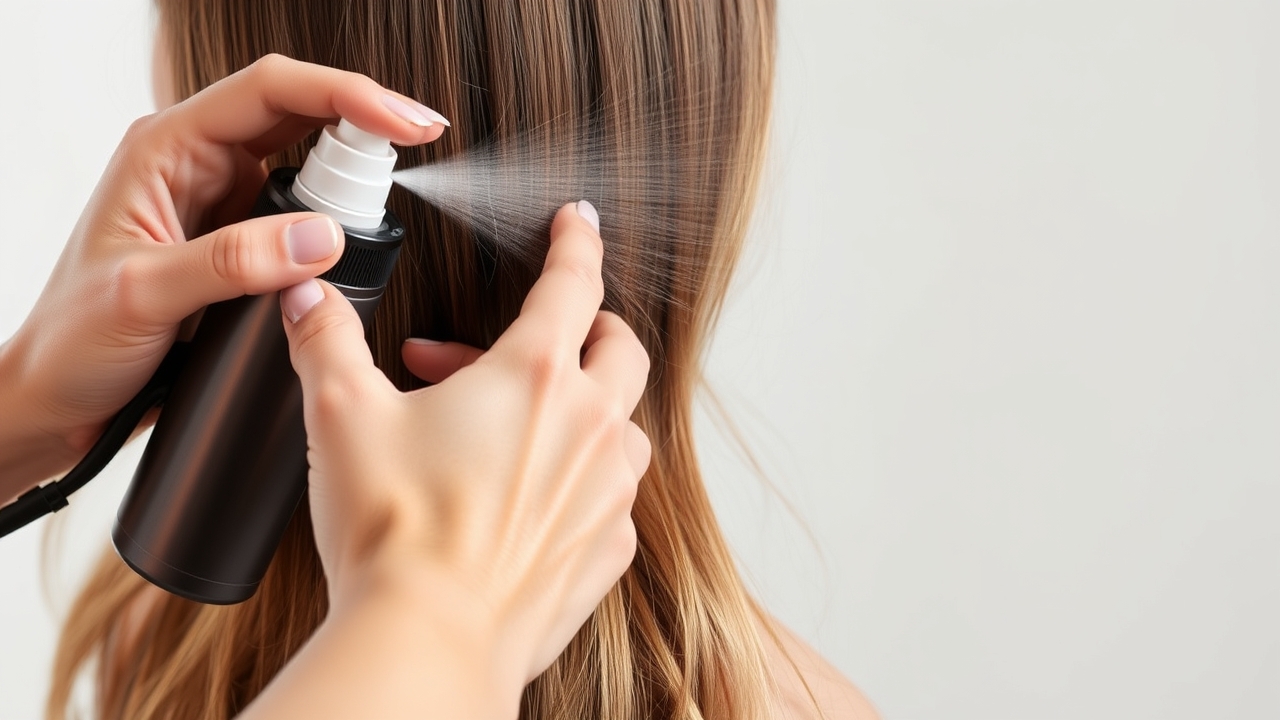
Spray protectants are ideal for touch‑ups or on‑the‑go styling. The best sprays deliver a fine mist that coats hair evenly, preventing uneven heat distribution. A lightweight formula with a heat threshold of at least 200 °C ensures protection without heaviness.
Protect Before Straightening: The Pre‑Style Ritual
Before you even touch a flat iron, treat your hair with a deep‑conditioning mask or leave‑in treatment. This pre‑style step reduces the need for extreme heat, making strands more resilient. Combine it with a heat protectant for straightening and you’ll notice fewer split ends and less frizz.
Heat Shield Products: Beyond Sprays and Creams
Heat shields come in gels, serums, and hybrid sprays that double as styling products. Many contain a blend of silicones and proteins that form a resilient barrier against thermal damage. They’re especially useful for people who switch between a flat iron, curling wand, and blow dryer in a single session.
How to Tell If Your Hair Needs More Protection
After a styling session, check for:
- Dry, brittle feel or visible split ends.
- Weighed‑down or greasy strands after styling.
- Increased frizz or a dull appearance.
If any of these signs appear, it’s time to upgrade your heat protectant for straightening or adjust your application technique.
Choosing the Right Product for Your Hair Type
Hair responds differently to heat, so tailor your choice accordingly:
- Fine or Thin Hair: Opt for a lightweight, silicone‑free protectant that won’t weigh strands down.
- Curly or Coarse Hair: Choose a richer formula with natural oils and proteins to lock in moisture.
- Color‑Treated Hair: Look for antioxidants and gentle silicones to preserve vibrancy.
- Damaged or Over‑Processed Hair: Prioritize proteins and humectants to rebuild strength and resilience.
When to Reapply Heat Protectant
For extended styling sessions—such as prepping for a wedding or a day‑long event—reapply a small amount of protectant after every 10–15 minutes of heat exposure. This keeps the barrier intact and reduces cumulative damage.
Common Myths About Heat Protectants
- Myth: More Product Means More Protection. Over‑application leads to buildup and a heavy feel.
- Myth: Silicones Are Bad for Hair. High‑quality silicones protect the cuticle and add shine.
- Myth: Heat Protectants Are the Same as Leave‑In Conditioners. While they overlap, heat protectants are engineered to withstand high temperatures.
Final Thoughts: The Best Heat Protectant for Straightening Is a Balance
The ultimate heat protectant for straightening is one that marries heat resistance, moisture retention, and a lightweight feel tailored to your hair type. By paying attention to ingredients, mastering application, and respecting your hair’s needs, you’ll protect strands while achieving the sleek, smooth look you desire.
FAQ
- What is the best heat protectant for straightening? The best heat protectant for straightening is one that offers heat resistance of at least 200 °C, contains moisturizing ingredients like glycerin or panthenol, and finishes light without leaving a greasy film.
- Which heat protectant for flat iron works best for fine hair? For fine hair, choose a lightweight, silicone‑free spray or serum that still provides a heat‑resistance rating of 200 °C or higher.
- Can I use a regular leave‑in conditioner as a heat protectant? Regular leave‑in conditioners may not withstand high temperatures; look for products specifically labeled as heat protectants for best results.
- How often should I reapply heat protectant during styling? Reapply after every 10–15 minutes of heat exposure, especially for long styling sessions.
- Do heat protectants help with frizz? Yes, many heat protectants contain silicone or natural oils that smooth the cuticle and reduce frizz.
For a deeper understanding of hair structure and how heat affects it, see hair structure. If you’re looking for the best heat protectant for straightening, start by evaluating your hair type and the heat settings of your tools, then choose a product that matches those needs. For more styling tips, visit our selection of straighteners to pair your protectant with the right flat iron.
Leave a Reply