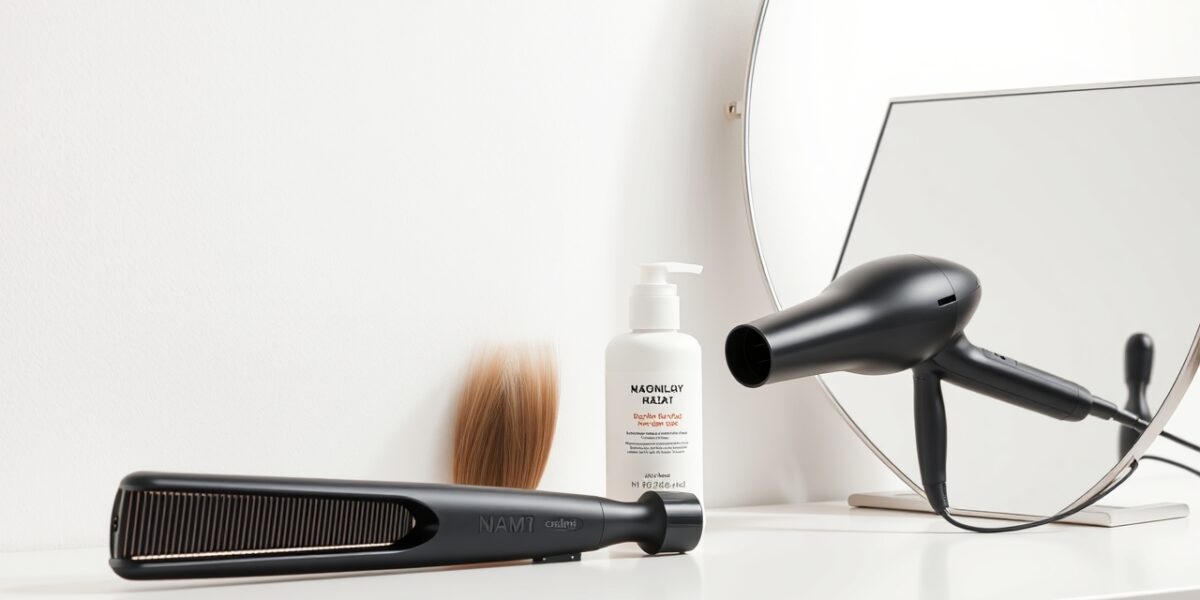
Why is my hair not staying straight? That question echoes in many salons and home styling routines. The frustration of a perfectly straight section that later curls back or frizzes can feel like a mystery. In this guide, we break down the science behind the problem, identify the common culprits, and give you concrete, step‑by‑step fixes that work for all hair types.
Why My Hair Won’t Stay Straight: The Core Issue
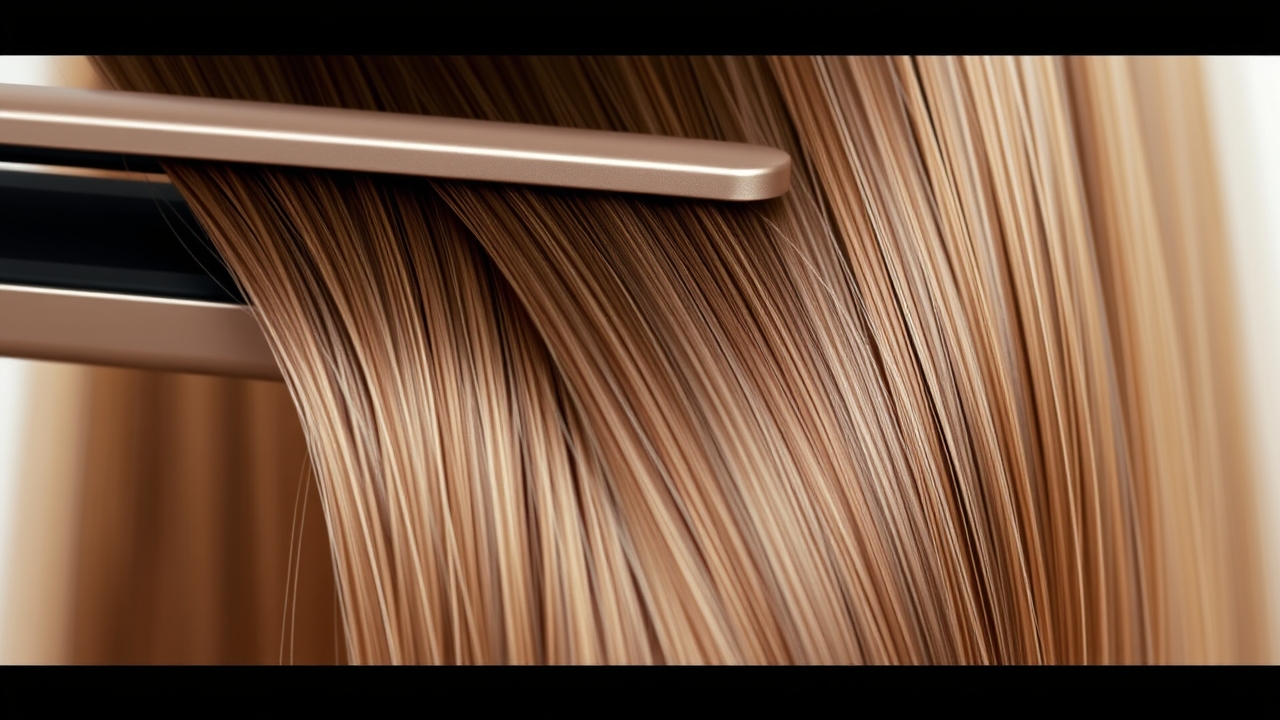
At its core, the struggle with straight hair is a battle between moisture and heat. Hair is a living fiber composed of keratin, water, and natural oils. When you straighten, you drive out water and heat‑damage the cuticle. If the cuticle isn’t sealed properly, moisture from the air can re‑enter, causing the hair to swell, curl, or frizz again. That’s why the phrase “why is my hair not staying straight” often points back to moisture control.
Hair Porosity and Texture Matter
- Low porosity: Hair that resists moisture uptake can feel dry and brittle after straightening, making it more prone to breakage and uneven heat distribution.
- High porosity: Hair that absorbs moisture too quickly will re‑absorb humidity faster, leading to frizz.
- Curly or wavy hair: Naturally has more surface area and is more reactive to environmental moisture.
Heat Settings and Damage
Using a straightener that’s too hot or applying heat for too long can strip the hair’s protective proteins. When the protein structure is compromised, the hair can’t hold a straight shape. The ideal temperature varies: fine hair 300–350°F, medium hair 350–375°F, coarse hair 375–400°F. Over‑heating leads to a brittle, “over‑dry” look that flattens but never truly stays straight.


Wrong Tools and Techniques
Even the best straightener can fail if used incorrectly. Common mistakes include: 1) Using a narrow blade on thick hair, 2) Sliding the straightener too fast, 3) Not aligning the blade with the hair shaft, and 4) Neglecting to flip the hair to ensure even heat distribution.
Understanding Hair Structure: Why It Matters
Before you even touch a straightener, it’s essential to know what’s inside your strands. The outermost layer, the cuticle, is a series of overlapping scales that protect the inner cortex. When the cuticle is raised, the hair becomes porous and vulnerable to moisture. Straightening works by flattening these scales, but if they’re damaged, they’ll lift again when exposed to humidity. Knowing whether your hair is naturally oily, dry, or balanced helps you choose the right protectant and heat settings.
Common Myths About Straightening
There are several misconceptions that keep people frustrated:
- Myth: “I can straighten any hair type.” Reality: Very fine, fragile hair needs a lower temperature; coarse, thick hair can handle higher heat.
- Myth: “More heat equals smoother hair.” Reality: Excess heat breaks the protein bonds, causing breakage and frizz.
- Myth: “I don’t need a heat protectant.” Reality: A protectant forms a barrier that shields the cuticle from both heat and moisture.
Choosing the Right Heat Protectant
Not all protectants are created equal. Look for products that contain silicone, which forms a thin film to repel moisture, and antioxidants like vitamin E to neutralize free radicals generated by heat. For high porosity hair, a protein‑based protectant can help rebuild the cuticle. For low porosity or oily hair, a lightweight spray that won’t weigh strands down is ideal. Always apply a small amount to damp hair and allow it to dry before straightening.
Humidity Hair: The Silent Saboteur
Humidity is the invisible villain in the battle for a smooth look. When the kitchen’s humidity exceeds 50%, water molecules instantly attach to the hair’s cuticle. If the cuticle is already compromised by heat, the hair will instantly swell and curl back. That’s why you often hear people say, “my hair won’t stay straight in humid weather.”
To combat humidity, use a lightweight, silicone‑based heat protectant that forms a barrier against moisture. The product should be applied evenly from roots to ends and allowed to dry before straightening. After styling, a light mist of anti‑frizz serum can help seal the cuticle.
Humidity Hacks for Travel
When you’re jet‑setting or heading to a tropical destination, a few extra steps can keep your style intact:
- Pack a small bottle of your favorite heat protectant and a humidity‑resistant spray.
- Use a silk or satin scarf to wrap your hair after styling; it reduces friction and locks in moisture.
- Choose a lightweight, heat‑resistant hair dryer for touch‑ups in the hotel bathroom.
- Keep your hair covered with a hat or hood during outdoor activities to shield it from rain and sweat.
Frizz After Straightening: Why It Happens and How to Stop It
Frizz after straightening is a common complaint. It usually originates from:
- Insufficient heat protectant
- Over‑exposure to high temperatures
- Inadequate drying before straightening
- Using a straightener with a worn blade
To prevent frizz, follow these steps: 1) Cleanse and condition with a protein‑rich shampoo; 2) Apply a heat protectant; 3) Use a blow dryer to dry the hair to about 80% before straightening; 4) Straighten in small sections, flipping the hair mid‑pass; 5) Finish with a light serum or oil.
Straightening Not Working: Common Missteps
When straightening “not working,” it often means the hair is reacting to internal or external stressors. Here are the top missteps:
- Skipping a deep conditioning treatment: Damaged hair won’t hold heat.
- Using an incorrect heat setting: Too low and the hair won’t straighten; too high and it will break.
- Neglecting a heat protectant: Without a shield, the heat can cause micro‑scarring.
- Drying hair too hot: A blow dryer set on high can pre‑heat hair, making subsequent straightening uneven.
Step‑by‑Step Guide to Keep Your Hair Straight All Day
1. Preparation: Clean, Condition, and Protect
- Wash with a sulfate‑free shampoo to avoid stripping natural oils.
- Apply a deep conditioner or protein mask 1–2 times a week.
- Rinse with cool water to close the cuticle.
- Pat dry with a microfiber towel—never rub harshly.
- Apply a heat protectant spray or serum, focusing on mid‑length to ends.
2. Drying Technique: Get It Right Before Straightening
- Use a blow dryer with a concentrator nozzle.
- Set the heat to medium and use a cool shot to lock in the style.
- Dry hair to ~80% moisture; completely dry hair can scorch the straightener.
3. Straightening: The Right Way
- Set the straightener to the appropriate temperature based on your hair type.
- Divide hair into small, manageable sections.
- Hold the straightener at a 90° angle to the hair shaft.
- Slide slowly—about a second per section—and pause for a second before flipping.
- Repeat if needed; do not pass over the same section multiple times.
4. Aftercare: Seal the Cuticle and Lock in the Look
- Apply a lightweight anti‑frizz serum or a tiny amount of leave‑in conditioner.
- Use a hair dryer on a low heat to set the style.
- For extra hold, lightly mist with a water‑based hairspray.
- Avoid touching the hair for at least 30 minutes to let the cuticle set.
5. Humidity Control: Keep Your Style in Check
- Use a humidity‑resistant spray or a product with silicone.
- When traveling to humid climates, carry a small bottle of the same heat protectant.
- Keep your hair covered with a silk scarf or hat if you’re in extremely humid conditions.
Product Insight: Why the Right Straightener Matters
Not every straightener is created equal. A quality straightener will have adjustable temperature settings, ceramic or tourmaline plates for even heat distribution, and a non‑stick coating to reduce friction. A cheap, low‑quality model may overheat or leave spots, causing uneven straightening and damage. When you invest in a reliable straightener, you reduce the risk of heat damage and improve the longevity of your style.
When to Seek Professional Help
If you’ve followed all the steps above and still experience persistent frizz or breakage, it may be time to consult a professional stylist. A colorist can assess whether your hair’s protein–water balance is off, or a trichologist can identify underlying scalp or hair health issues that affect styling.
FAQ
- Why is my hair not staying straight even after using a heat protectant? Even with a protectant, high humidity can still cause the cuticle to swell. Use a humidity‑resistant spray and keep your hair covered when possible. Also, ensure the protectant is applied evenly and allowed to dry before heat.
- Can I straighten my hair if it’s damaged? It’s best to repair damage first. Use protein treatments, avoid heat until the hair feels stronger, and keep the temperature low. A damaged cuticle will always react to moisture, so a protective barrier is essential.
- How often should I use a straightener? Limit use to 2–3 times a week to prevent cumulative heat damage. On rest days, let your hair recover naturally and use a silk or satin scrunchie to reduce friction.
- What’s the best temperature for fine hair? Keep it between 300–350°F to avoid breakage. Fine hair is more sensitive to heat, so always test a small section first.
- Is a silicone coating on plates tipless? Yes, silicone coatings reduce friction and can help maintain a smooth finish. However, they can also leave a slight residue if not cleaned regularly, so wipe plates after each use.
Remember, the key to lasting straightness is a combination of the right tools, proper technique, and consistent after‑care. By understanding why your hair won’t stay straight and applying the steps above, you can achieve a sleek look that holds from morning to night. For more styling insights, explore our website, where you’ll find a wealth of tips and high‑quality tools to support your hair journey.
For more detailed information on heat styling and its effects on hair, you can read the Heat styling page on Wikipedia.
Leave a Reply