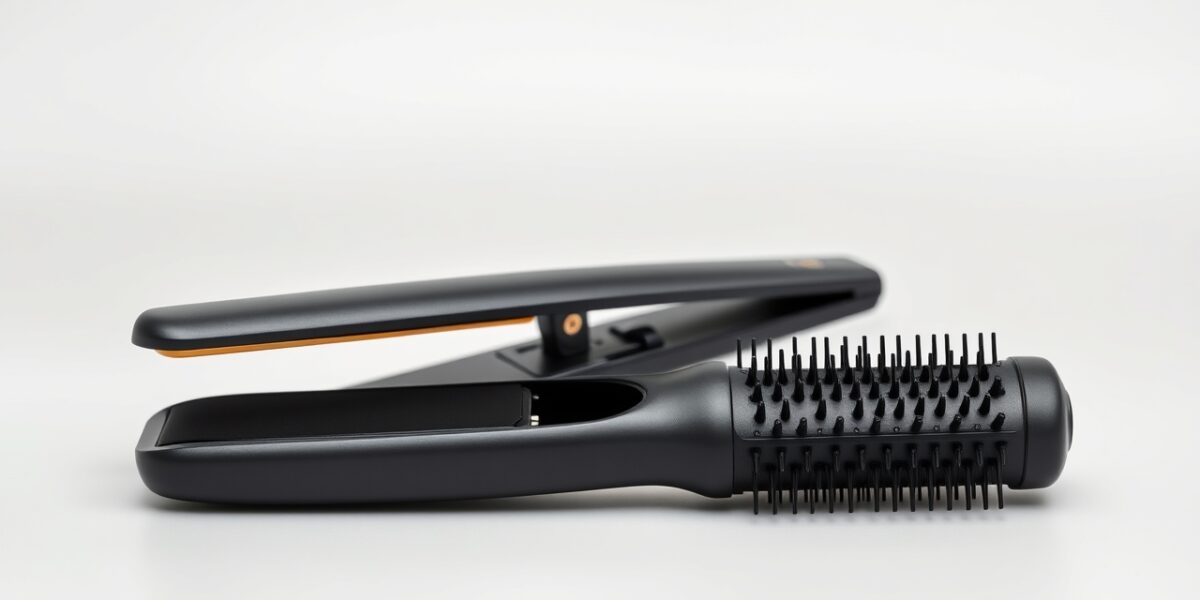
Flat iron vs straightening brush is a common debate among anyone who loves to shape their hair.
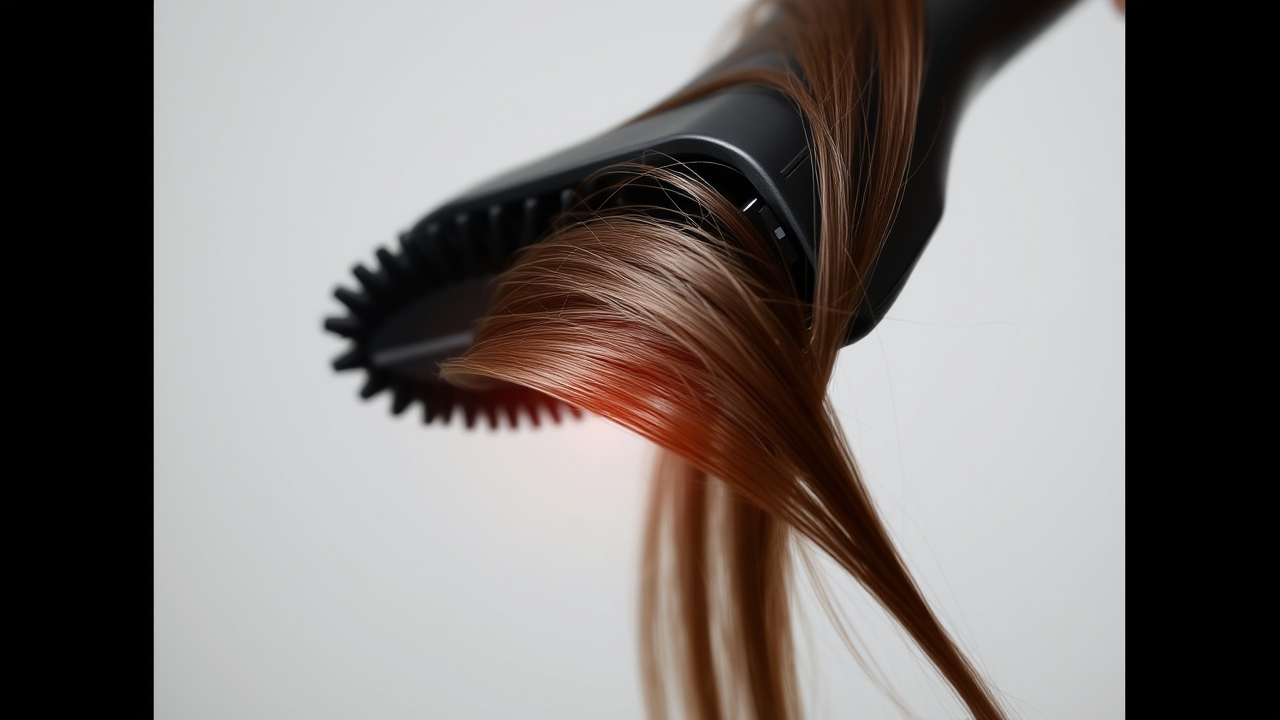
Flat Iron vs Straightening Brush: Which One Wins?
When you open a beauty aisle, the two most prominent straightening tools usually stand side by side: the sleek flat iron and the more recent straightening brush. Both promise glossy, sleek results, yet their mechanisms, ergonomics, and performance can diverge significantly. Understanding these nuances helps you decide which tool aligns with your hair type, routine, and safety concerns.
Understanding the Basics
A flat iron is a flat plate with heated surfaces that clamp onto a hair section. The heat is transferred directly from the plates to the hair strands, forcing them to straighten. A straightening brush, on the other hand, combines a heated brush head with rotating bristles. As the brush moves through hair, the bristles glide over the strands while heat is applied. The brush’s motion can reduce the need for clamping and may feel less aggressive on the scalp.


Heat Distribution and Control
- Flat Iron: Heat is concentrated in a small area, enabling rapid straightening of thick or coarse hair, but it can also create hot spots if the plates are not evenly heated.
- Straightening Brush: Heat spreads over a broader surface, which can be gentler on fine or delicate hair. The rotating action allows a more even temperature distribution.
Both tools benefit from temperature settings calibrated for different hair types. A flat iron often offers a broader range (e.g., 300–400°F), while a straightening brush may provide more precise, lower‑to‑medium temperatures (e.g., 250–350°F).
Speed and Efficiency
If you’re short on time, the flat iron’s clamping action can be faster for straightening thick, unruly locks. A straightening brush, while slightly slower due to the brush’s motion, often requires fewer passes, especially on fine or mid‑length hair. The brush’s ability to glide through hair can reduce the overall styling time for lighter strands.
Versatility for Different Hair Types
Hair texture matters. Straightening brush users often report smoother results on wavy or fine hair because the bristles can glide through the cuticle without trapping tangles. Flat irons are preferred for thick, coarse, or tightly coiled hair because the plates can apply the necessary pressure to combat natural curl.
Maintenance and Longevity
Flat irons typically have a shorter lifespan due to the heavy use of plates that can wear down. Straightening brushes, while still subject to wear on the heating element, often have replaceable brush heads, extending overall usability. However, both require regular cleaning of plates or brush heads to maintain performance.
Safety and Heat Damage
Heat exposure can damage hair if not managed properly. Thermal styling research indicates that consistent high temperatures can cause protein loss in the hair shaft. Using a heat protectant and setting the correct temperature for your hair type mitigates damage. A straightening brush’s lower heat range generally presents a smaller risk for fine hair, while a flat iron’s higher temperatures can be more damaging if used incorrectly.
Price and Value for Money
Flat irons tend to be more affordable, especially at entry‑level models. Straightening brushes are often priced higher due to the added complexity of a brush head and rotating mechanism. However, the added cost can be justified by longer longevity and potentially gentler styling for certain hair textures.
Straightening Brush vs Flat Iron: A Side‑by‑Side Comparison
Below is a concise comparison chart to help you weigh the key attributes side by side.
- Heat Settings: Flat Iron – 300–400°F; Straightening Brush – 250–350°F.
- Styling Speed: Flat Iron – faster for thick hair; Straightening Brush – slower but smoother for fine hair.
- Motion: Flat Iron – clamping; Straightening Brush – rotating bristles.
- Risk of Damage: Flat Iron – higher if misused; Straightening Brush – lower due to even heat.
- Maintenance: Flat Iron – replace plates; Straightening Brush – replace brush heads.
Pros and Cons of a Flat Iron
- Pros: Fast results, excellent for thick or curly hair, widely available, usually cheaper.
- Cons: Higher heat risk, potential for uneven heat distribution, plates can wear quickly.
Pros and Cons of a Straightening Brush
- Pros: Even heat distribution, lower risk of heat damage on fine hair, ergonomic design for long sessions.
- Cons: Higher cost, slower for thick hair, requires skill to avoid tangling.
Hot Brush: The New Kid on the Block
Hot brushes have emerged as a hybrid between the flat iron and straightening brush. They feature a heated brush head with a rotating base that can glide through hair while applying heat. Some models also include ionic technology to reduce frizz.
How a Hot Brush Works
The hot brush’s heating element warms the brush head, and the rotating base moves the brush through hair, similar to a straightening brush but often with higher heat settings. The motion reduces friction and can produce a smoother finish.
When to Use a Hot Brush
Hot brushes are ideal for quick styling sessions, especially when you want a sleek look without the clamping of a flat iron. They’re popular for short to medium‑length hair and for people who prefer a brush‑based motion.
Which Straightens Better? The Verdict
The answer hinges on your hair’s characteristics and your styling priorities.
Short Hair
For short, fine hair, a straightening brush or hot brush may deliver a smoother look with less heat exposure. A flat iron can still work, but you’ll need to use a lower temperature and be careful with plate contact.
Long Hair
Long, thick hair often benefits from the clamping power of a flat iron. The straightening brush can still be used, but it may require multiple passes to achieve full straightness.
Curly vs Straight Hair
Curly or coiled hair usually demands higher heat and pressure; a flat iron excels here. Straight hair is more forgiving, and either tool can work well when temperature is properly adjusted.
Daily Styling Routine
If you style daily, consider a tool that balances speed with hair health. A straightening brush’s lower heat range can reduce cumulative damage, while a flat iron’s quick turnaround may be more convenient for busy mornings.
Choosing the Right Straightening Tool for You
Follow these steps to identify the best option for your routine and hair type.
Consider Your Hair Texture
Fine, thin, or wavy hair tends to react poorly to high temperatures. A straightening brush or hot brush with lower heat settings is safer. Thick or coarse hair requires more heat and pressure, making a flat iron a better fit.
Think About Your Lifestyle
Do you have a tight schedule? A flat iron may get the job done faster. Do you prefer a more relaxed, brush‑based styling method? A straightening brush can be more comfortable for extended sessions.
Set a Budget
Entry‑level flat irons start around $30–$40, while straightening brushes can range from $70 to $150 or more. Decide how much you’re willing to invest in long‑term hair health.
Read Reviews and Test Results
Look for independent reviews that assess heat output, durability, and user experience. If possible, try a tool in a store or borrow from a friend to test its feel on your hair.
For more detailed guidance, you can explore our our guide on selecting the best straightening tool for your specific needs.
FAQ
- Flat iron vs straightening brush: Which tool offers better heat control? The straightening brush typically delivers a more even heat distribution, reducing the risk of hot spots that can damage fine hair.
- Can I use a flat iron on curly hair? Yes, but you’ll need a higher heat setting and a good heat protectant to prevent breakage.
- Is a hot brush safer than a flat iron? Generally, yes—hot brushes use lower temperatures and have a gentler brushing motion, which can be less damaging for delicate strands.
- How often should I replace a flat iron’s plates? Replace them every 6–12 months depending on usage; worn plates can cause uneven heat and frizz.
- Do straightening brushes work on thick hair? They can, but you may need to use a higher temperature setting and multiple passes for the best results.
Leave a Reply