Do you need a heat protectant? Many homeowners wonder if this extra step is truly necessary when using heat styling tools. The short answer is a resounding yes – but the depth of why it matters goes beyond simple protection. In this guide we’ll break down the science, highlight real‑world benefits, and give you a step‑by‑step routine that works for every hair type.
Do You Need a Heat Protectant? Why It’s Essential
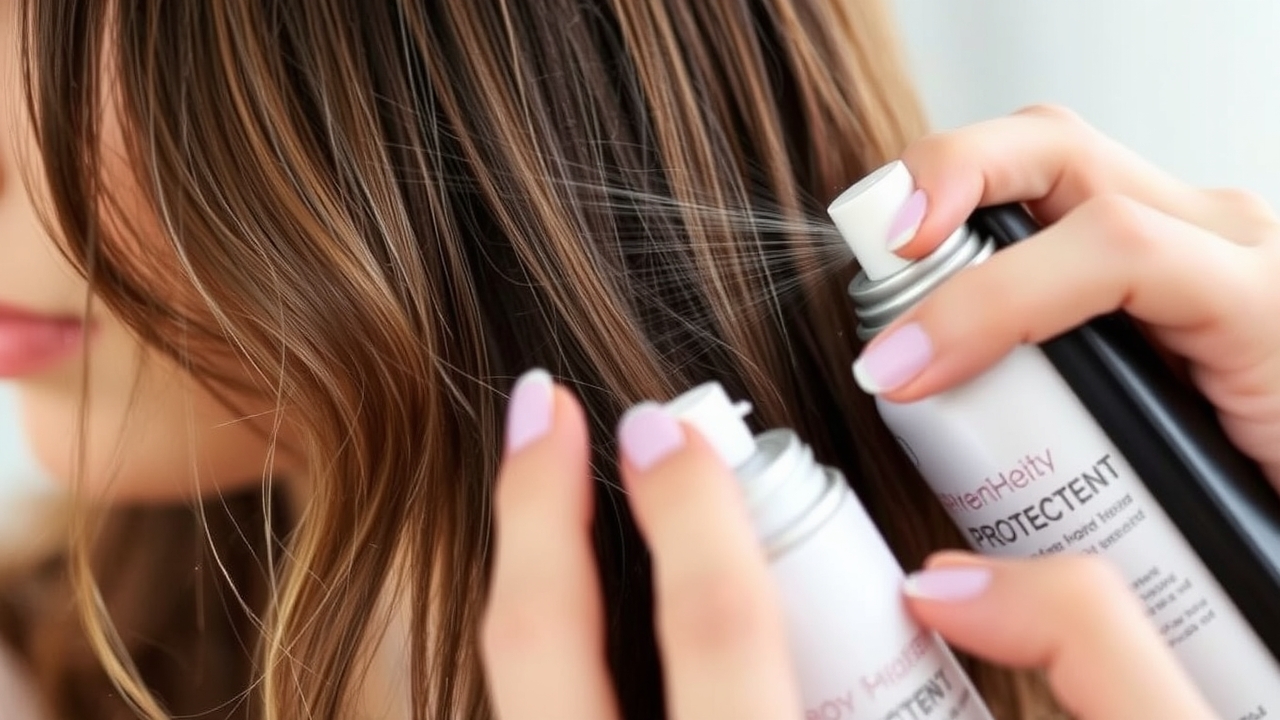
Heat protectants are formulated to shield hair from the high temperatures that straighteners, curling irons, and blow dryers often reach. They create a thin, invisible barrier that reduces direct heat contact, which can otherwise cause protein damage, breakage, and dryness.
What a Heat Protectant Actually Does
At the microscopic level, heat protectants work by coating the cuticle layer of the hair shaft. This coating can reflect a portion of the heat, lower the temperature that the hair absorbs, and lock in moisture. Think of it as a protective coat that lets you style while keeping the strands hydrated.


Why Use Heat Protectant
Heat can damage hair. When you use hot tools, the hair cuticle lifts and becomes porous. Without a shield, the heat can penetrate deeper, denaturing keratin proteins and causing irreversible damage. A heat protectant keeps the cuticle smooth, so the tool glides more easily and the hair retains its natural shine.
Heat Protectant Benefits
- Reduces breakage – By lowering the effective temperature, strands are less likely to snap.
- Preserves moisture – Many formulas contain humectants that draw water into the hair.
- Improves styling longevity – Styles last longer because the hair stays less frizzy.
- Protects color – For dyed hair, a heat guard can slow down color fading.
Skipping Heat Protectant: Risks
Some people skip the protectant to save time, but this can backfire. Without protection, the hair cuticle is exposed to temperatures that can reach 400°F (204°C) or higher. This exposure can lead to:
- Protein denaturation and loss of elasticity
- Increased frizz and split ends
- Fading of hair color or highlights
- Overall dryness and brittle texture
Heat Spray: A Versatile Option
Heat sprays are a subset of heat protectants that offer a lightweight mist. They’re especially useful for fine or thin hair because they provide a protective film without weighing the strands down. Heat sprays can also double as a styling aid, giving a quick finish or shine.
Choosing the Right Product
Look for ingredients that coat the cuticle. Not all protectants are created equal. Look for ingredients such as silicones, proteins, and natural oils. Silicones create a slick surface that reduces friction, while proteins help rebuild the hair’s structural matrix. Natural oils like argan or jojoba provide additional nourishment.
How to Apply Heat Protectant Effectively
- Start with clean, towel‑dry hair.
- Apply a small amount of product to palms.
- Rub palms together and evenly distribute through mid‑length to ends.
- Use a comb to ensure all strands receive coverage.
- Let the product dry for a minute before styling.
Common Myths Debunked
Myth 1: Heat protectants are only for thick hair – In reality, thin or fine hair can benefit the most because it’s more susceptible to heat damage. A light mist keeps the strands protected without adding weight.
Myth 2: Heat protectants are the same as regular conditioners – While some conditioners contain heat‑protective ingredients, they’re not formulated to withstand high temperatures. A dedicated heat protectant is engineered to endure the heat of styling tools.
Myth 3: You only need heat protectant if you color your hair – Heat damage can affect natural, dyed, or chemically treated hair alike. Protecting your strands preserves texture, shine, and overall health.
Heat Protectants for Every Hair Type
Hair isn’t one-size-fits-all, and the same goes for heat protectants. Below is a quick guide to help you match the right formula to your hair’s needs.
Fine or Thin Hair
Choose a lightweight spray or serum that won’t weigh down your strands. Look for “no silicone” or “lightweight” labels. A mist that dries quickly ensures you can style without a greasy feel.
Curly or Coarse Hair
These hair types often need more moisture. Opt for a heat protectant enriched with oils, but be careful with heavy silicones that can lead to buildup. A protein‑based spray can help strengthen the cuticle before heat exposure.
Color‑Treated or Chemically Processed Hair
Color and chemical treatments strip natural proteins. A heat protectant with amino acids or keratin can help replenish what’s lost, while a UV filter protects against fading.
Dry or Damaged Hair
Hydration is key. Look for products with glycerin, panthenol, or natural oils. A heat protectant that also acts as a leave‑in conditioner can give a dual benefit.
Choosing the Right Heat Protectant: A Quick Guide
With so many options, how do you pick the best one?
- Read the ingredient list – Silicones, proteins, and humectants are the core protectants.
- Consider your styling routine – If you use a straightener daily, a high‑temperature formula is essential.
- Check the temperature rating – Some products specify they can withstand up to 400°F (204°C).
- Trial and error – Small travel sizes let you test before committing to a full bottle.
Step‑by‑Step Styling Routine with Heat Protectant
Follow this routine to maximize protection and achieve salon‑quality results at home.
- Wash & Condition – Use a sulfate‑free shampoo and a hydrating conditioner. Rinse with cool water to close the cuticle.
- Apply Heat Protectant – While hair is still damp, spray or apply a small amount of protectant. Comb through for even coverage.
- Let It Dry – Allow a minute for the product to set. If you’re in a hurry, use a blow‑dry at a low heat setting.
- Style – Use your chosen heat tool. Keep it moving to avoid concentrating heat on one spot.
- Finish – After styling, finish with a light mist of leave‑in or a heat protectant spray for extra shine.
Frequently Asked Questions
1. How often should I use a heat protectant?
Every time you use heat tools. Even a single session can cause cumulative damage, so consistency is key.
2. Can I use the same heat protectant for all my tools?
Yes, most protectants are designed for straighteners, curling irons, and blow dryers. However, specialized formulas exist for high‑heat curling irons that can handle 450°F.
3. Will a heat protectant make my hair look greasy?
Not if you choose the right product. Lightweight sprays or serums are formulated to dry quickly and leave a natural finish.
4. What if my hair is already damaged?
Start with a repair shampoo and conditioner. Then apply a heat protectant that contains proteins or keratin to reinforce the shaft before heat exposure.
5. Do I need a heat protectant if I only use a blow dryer?
Yes. Blow dryers can reach temperatures of 350–400°F, which is enough to cause cuticle lift and moisture loss. A protectant keeps the cuticle intact.
Real‑World Success Stories
Jane, a 32‑year‑old marketing executive, used to skip protectants because she was in a hurry. After a month of consistent use, she noticed her hair was smoother, split ends were less frequent, and her color stayed vibrant for longer. “I didn’t realize how much heat was damaging my hair until I started using a heat protectant,” she says.
Meanwhile, Carlos, a professional dancer with naturally curly hair, found that a protein‑rich heat protectant helped his curls hold longer after a dance rehearsal that involved a lot of heat styling. He reports fewer frizz spikes and a more defined look.
Final Takeaway
Do you need a heat protectant? Absolutely. Whether you’re a straight‑liner, a curl enthusiast, or a color‑care devotee, a heat protectant is a small investment that pays off in healthier, shinier, and more resilient hair. Treat it as a staple in your styling arsenal and watch the difference it makes over time.
For further reading, see related references on Wikipedia.
Leave a Reply