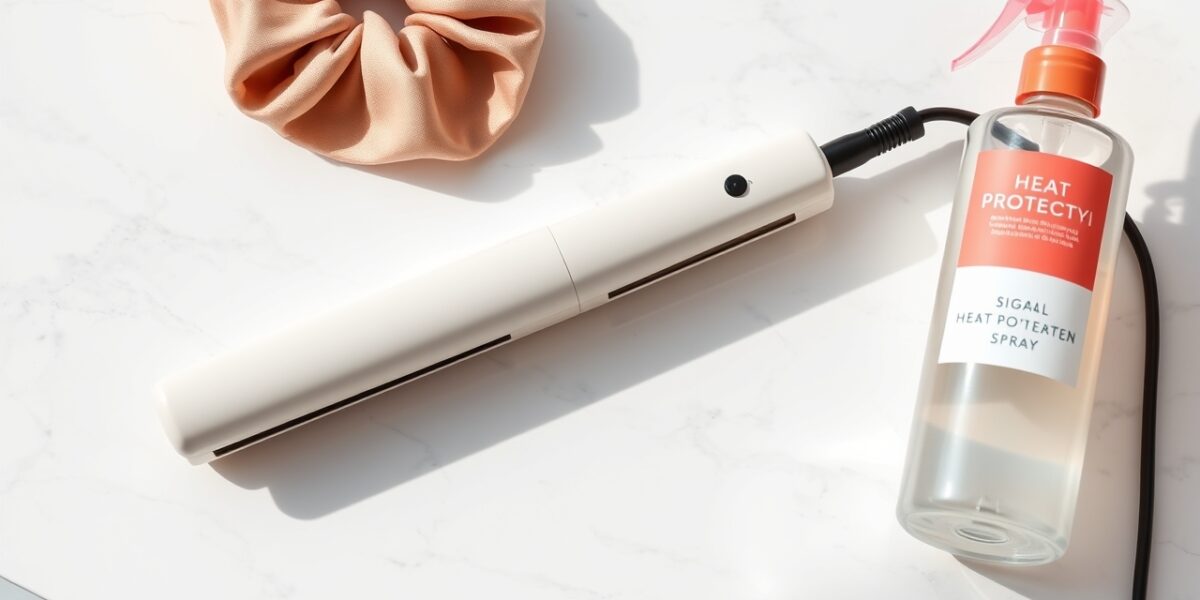
When you finish a meticulous 45‑minute session with a flat iron, the dream is a sleek, glass‑smooth finish that stays put from dawn to dusk. Yet, moments after stepping outside, the strands seem to rebel, curling back or puffing up into a frizzy cloud. The question that keeps a lot of us up at night is why is my hair not staying straight? The answer is a mix of biology, environment, and technique. Below we unpack the science, diagnose common pitfalls, and walk you through a proven routine that keeps your hair straight for hours.
The Science of Hair Reversion
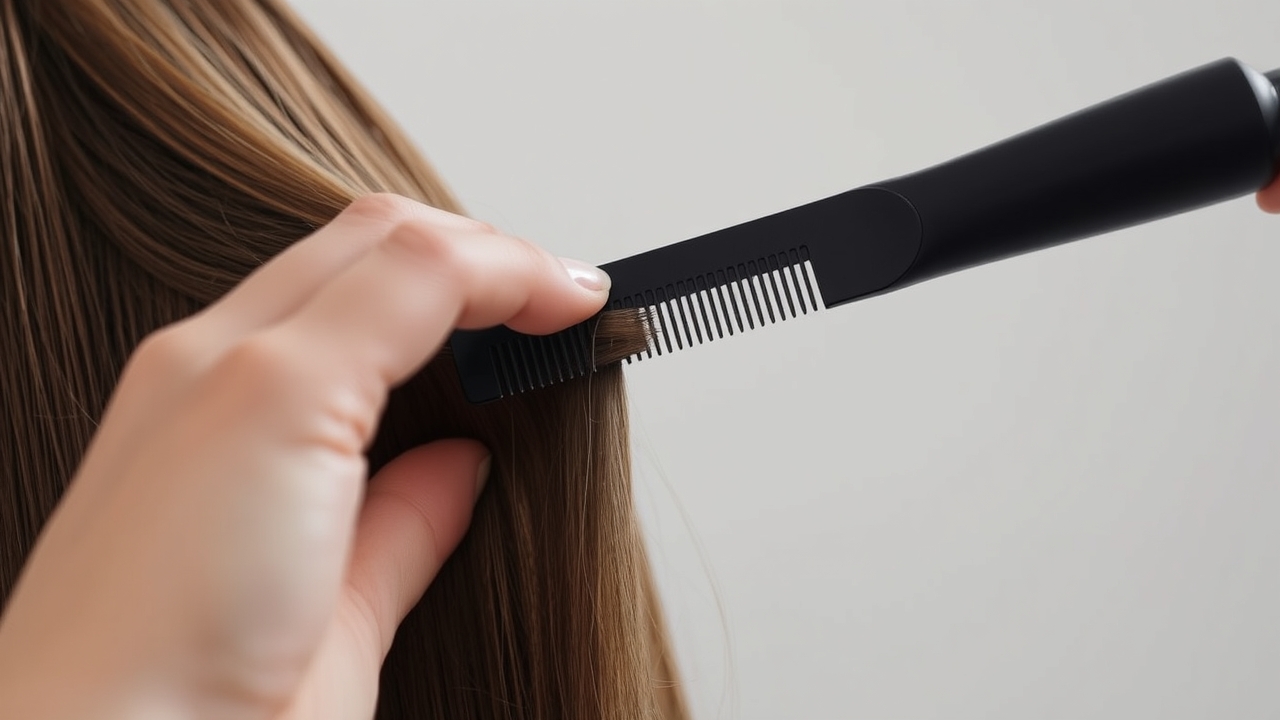
Hair is a protein filament called keratin, structured into a shaft that carries a natural pattern defined by the follicle shape and the distribution of sulfur bonds in the cortex. When you apply heat, you’re temporarily breaking the hydrogen bonds that give hair its shape, not the stronger disulfide bonds that hold the overall structure. Think of it as a flexible metal band that’s been straightened by heat but can snap back when moisture or heat is applied again.
When the hair is exposed to moisture—whether from humid air, a sweaty workout, or a quick shower—the hydrogen bonds re‑form, and the strands slide back into their original configuration. That’s why a perfectly straight look can evaporate within minutes if you’re not protecting the cuticle.


Common Reasons Why Your Hair Won’t Stay Straight
While the biology explains the “how,” the real-world failures usually cluster into three categories: preparation, technique, and environment.
1. High Porosity and Moisture Absorption
High porosity means the cuticle—the outermost layer—is raised or cracked, creating tiny gaps that let moisture rush in. If your hair feels dry and rough even after conditioning, you likely have high porosity. This trait makes it a magnet for humidity, causing instant frizz and curl re‑formation.
2. Incomplete Drying
One of the most common mistakes is straightening damp hair. Even a single strand that still contains water will steam when heated, creating micro‑bubbles that damage the shaft and prevent the heat from fully setting the hydrogen bonds. The result is a style that looks flat for a moment but collapses as soon as the steam escapes.
3. Using the Wrong Heat Setting
Too little heat fails to break the bonds; too much scorches the cuticle, creating a “flash‑dry” look that looks straight but is actually porous and moisture‑sensitive. Finding the sweet spot for your specific hair thickness is essential.
4. Lack of a Sealant
Heat alone is only half the battle. If you don’t seal the cuticle with a finishing oil or a humidity‑blocking serum, the hair remains exposed to the environment. A light mist of silicone or a natural oil can create a hydrophobic shield that keeps moisture out.
Dealing with Humidity Hair
Humidity is the flat iron’s biggest nemesis. In a humid environment, the air is saturated with water vapor, and your hair seeks equilibrium by absorbing that moisture. The result is a dreaded “poof” as soon as you step outside.
To fight humidity, you need a hydrophobic barrier. Silicones are the most effective at coating the shaft and preventing water molecules from penetrating the cortex. If you prefer silicone‑free products, heavy natural oils like argan or jojoba still provide protection, though they may not form as tight a shield as synthetic polymers.
Step‑by‑Step Guide to a Long‑Lasting Straight Look
Transform your routine from a simple “heat and go” to a strategic process that locks in sleekness. Follow these steps for maximum longevity.
Step 1: The Foundation (Wash Day)
Choose a smoothing shampoo and conditioner that contain lightweight proteins and silicones. These products weigh the hair down slightly and help close the cuticle. Skip volumizing or texturizing products that open the cuticle and create lift—those are your enemies.
Step 2: The Prep (Damp Hair)
While the hair is still damp, apply a leave‑in conditioner or a smoothing cream. This fills the cuticle gaps and reduces frizz. Follow with a high‑quality heat protectant that contains polymers to reinforce the cuticle during heat.
Step 3: The Blowout
Never jump straight from towel‑dry to flat iron. Use a blow dryer with a round or paddle brush to remove bulk and set the hair 80‑90% straight. This step reduces the load on the iron and allows you to
For further reading, see related references on Wikipedia.
Leave a Reply