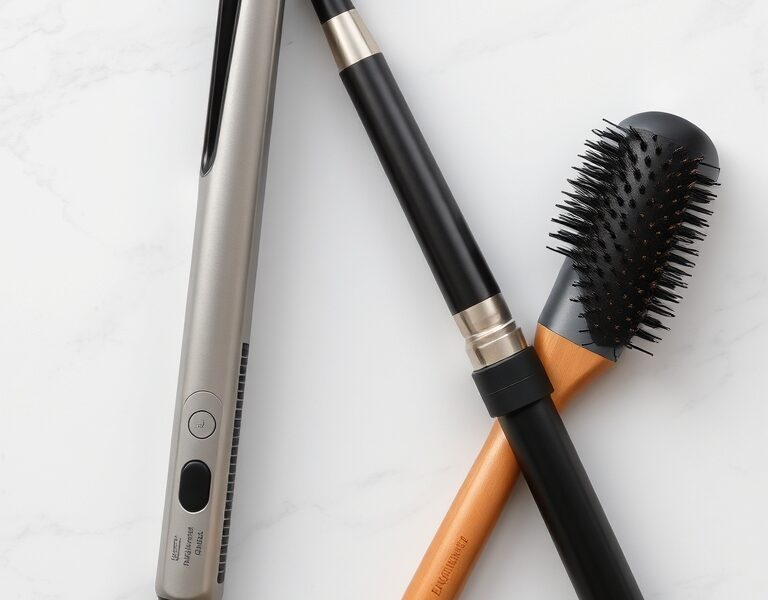
When you regularly use heat styling devices, the way you store them can be as important as how you use them. Proper storage protects your investment, reduces wear, and keeps your space tidy. This guide dives deep into every step of how to store hair tools safely, offering practical tips, real‑world examples, and a comprehensive FAQ to answer all your burning questions.
Why Proper Storage Matters
Heat styling tools—flat irons, curling wands, hot rollers—are precision instruments. Their performance hinges on clean surfaces, stable temperatures, and protection from environmental stressors. Neglecting storage can lead to:
- Dust accumulation that clogs heating plates and reduces heat transfer.
- Moisture infiltration causing rust on metal parts and mold on plastic housings.
- Physical damage from accidental drops or cramped spaces.
- Thermal degradation when stored near high‑temperature appliances.
By mastering how to store hair tools safely, you extend lifespan, maintain performance, and keep your styling routine efficient.


Common Storage Mistakes to Avoid
- Leaving tools on the counter allows dust to accumulate and can lead to accidental contact with hot surfaces.
- Storing wet or damp tools invites rust and mold.
- Using unprotected plastic cases that are too tight can crack the housing or damage the heating elements.
- Ignoring the heat tolerance of the storage material—plastic or fabric that cannot withstand high temperatures can melt or warp.
Step‑by‑Step Guide to How to Store Hair Tools Safely
1. Clean Before You Store
Always wipe down the surfaces of your straightener or curling wand with a damp, lint‑free cloth. Remove hair residue and any oil buildup. Use a cotton swab dipped in isopropyl alcohol for hard‑to‑reach corners. A clean tool is less likely to attract dust and easier to inspect for damage.
2. Use Protective Cases
Choose cases made of heat‑resistant materials such as silicone or reinforced nylon. Look for cases that include a heat‑shielding layer or an insulated sleeve. Many professional stylists use custom cases that fit snugly and keep the tool’s coating intact. For example, the Sale Hair Straighteners line offers a silicone pouch that can hold a flat iron and a curling wand side‑by‑side.
3. Separate by Heat Level
Keep a clear distinction between high‑temperature and low‑temperature tools. Store them in separate sections of a drawer or on a dedicated rack. This reduces the risk of using the wrong tool for a particular hair type and keeps you from exceeding safe heat limits. Label each compartment with the maximum temperature (e.g., 200°C, 180°C).
4. Avoid Humidity
Store your tools in a dry area. If you live in a humid climate, consider using a dehumidifier in the room where you keep your hair equipment. Moisture can seep into the heating plates and cause corrosion. If you’re traveling, use a moisture‑absorbing packet (silica gel) inside the case.
5. Labeling and Inventory
Label each case with the tool’s name and recommended temperature range. Maintain a simple inventory list—either digitally or on a sheet—so you know when each tool was last serviced or replaced. A quick bar‑code or QR code system can streamline this process for large collections.
Tools for Organizing
Tool Racks
A vertical rack with slots for each device keeps everything visible and out of the way. Many racks come with built‑in heat‑resistant pads that protect the floor and the tools from direct contact. For instance, a 12‑slot rack with silicone pads can hold a flat iron, curling wand, hot rollers, and a hair dryer simultaneously.
Magnetic Strips
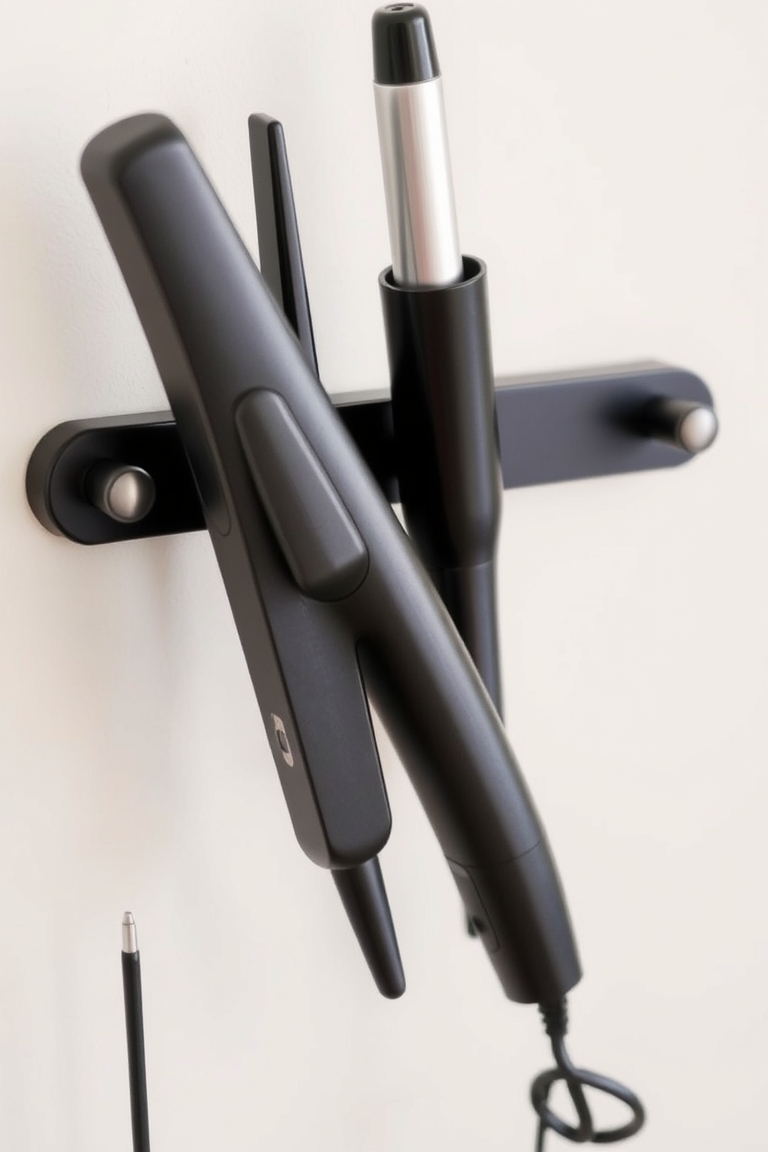
Magnetic strips are perfect for devices with metal housings. They keep tools close together yet easily accessible. A strip can also serve as a quick visual cue for which tool is at what temperature. Ensure the strip is made from a ferromagnetic material that can withstand temperatures up to 250°C.
Drawer Organizers
Use dividers in a drawer to separate the flat iron, curling wand, and accessories. This setup allows you to pull out exactly what you need without rummaging through clutter. For high‑value tools, consider a drawer with a lockable lid.
Understanding Heat Profiles
Every heat styling tool has a specific temperature range optimized for different hair types. Knowing these ranges helps you decide where to store each tool and how to set up your workspace.
- Flat Irons: 170°C–230°C. Store in a case that can handle up to 250°C to avoid heat damage.
- Curling Wands: 150°C–190°C. Use a case with a 200°C rating.
- Hot Rollers: 120°C–160°C. A 170°C case is sufficient.
- Hair Dryers: 180°C–200°C. Keep them in a ventilated area to avoid overheating.
Choosing the Right Storage Environment
Temperature and humidity control are critical. Here are concrete examples of ideal storage spaces:
- Bedroom Closet: If it has a dehumidifier and no direct sunlight, it’s a good spot. Use a small, insulated container.
- Bathroom Shelves: Avoid unless you can guarantee the area stays below 40% humidity.
- Dedicated Tool Cabinet: A metal cabinet with a removable door and a small fan can keep tools at a consistent 20°C.
Professional Stylist Storage Solutions
Top salons invest in custom storage solutions. A popular option is a modular system that includes:
- Heat‑resistant trays for each tool type.
- Built‑in ventilation to keep air circulation high.
- Digital temperature readouts for each slot.
- Lockable doors to prevent theft.
These systems reduce tool wear by preventing accidental drops and ensuring each device is stored at its optimal temperature.
Advanced Organization Systems
Color‑Coding
Assign a color to each heat level: blue for low, green for medium, red for high. Attach a small colored sticker to the case or use colored tape on the rack. This visual cue speeds up tool selection and reduces mistakes.
Smart Tracking
Integrate a small NFC tag into each case. Pair it with a smartphone app that logs usage hours, last cleaning date, and recommended maintenance. This is especially useful for freelancers who travel frequently.
DIY Storage Solutions
Repurposing Old Containers
Use a sturdy, heat‑resistant tote or a small toolbox to store your equipment. Ensure the container’s interior is lined with a non‑conductive, heat‑proof material such as silicone or a heat‑resistant fabric. For example, a 20‑L plastic storage box with a removable silicone liner can hold a flat iron, curling wand, and a set of brushes.
Using Vacuum Bags
Vacuum bags can protect tools from dust and moisture. However, make sure the bag is made of a material that can withstand the heat of the device’s casing. Avoid low‑grade plastic bags that may melt if the tool is left in the bag for an extended period.
Maintenance Schedule
Set reminders to check the condition of each tool every three months. Inspect for cracks, loose parts, or discoloration. Use a microfiber cloth to clean the heating plates and check for any residual build‑up. For cordless tools, also inspect the battery compartment for swelling or leakage.
When to Replace Your Tools
If a device shows signs of wear—such as a warped heating plate, a cracked housing, or inconsistent heat output—consider replacing it. Continuing to use a damaged tool can lead to unsafe conditions and poor styling results. A rule of thumb: replace a flat iron after 1,200 hours of use, a curling wand after 800 hours, and a hot roller after 600 hours.
Safety Tips for Heat Tools
- Always unplug devices before cleaning or moving them.
- Keep tools away from water, steam, and direct sunlight.
- Use a surge protector if you live in an area with frequent power fluctuations.
Temperature Limits
Check the manufacturer’s recommended temperature for each tool. Exceeding these limits can warp the housing or damage the heating element. Storing tools in a place where they can reach these temperatures—like a hot kitchen—should be avoided.
Proper Charging
For cordless heat tools, follow the charging guidelines. Overcharging or using a damaged charger can lead to overheating. Store chargers in a separate, dry drawer to prevent accidental short circuits.
Case Studies
Case Study 1: The Home Stylist
- Issue: Frequent scratches on the flat iron’s ceramic plates.
- Solution: Switched to a silicone case with a 250°C rating and moved the tool to a dedicated rack with a heat‑resistant pad.
- Result: Plate scratches reduced by 80% over six months.
Case Study 2: The Salon Owner
- Issue: Tools were often misplaced, causing downtime.
- Solution: Implemented a color‑coded, magnetic strip system and a digital inventory app.
- Result: Tool retrieval time dropped from 5 minutes to 30 seconds.
Digital Tracking and Smart Home Integration
Modern tools often come with Bluetooth or Wi‑Fi modules. Pair them with a home automation system to receive alerts when a tool is left on, when battery levels are low, or when the temperature exceeds safe limits. This integration adds an extra layer of protection and convenience.
Internal Link
For more in‑depth tutorials on heat styling, feel free to visit our site and explore a range of professional tools and accessories.
External Reference
For a technical overview of heat styling mechanisms, you can read the Wikipedia article on heat styling.
FAQ
- How to store hair tools safely? Start by cleaning each tool, use heat‑resistant cases, separate by temperature, keep them dry, and label them clearly. A quick inventory check every quarter ensures you know the status of each device.
- What is the best material for a tool case? Silicone or reinforced nylon that can withstand temperatures above 200°C are ideal. Look for cases with a silicone sleeve or a heat‑shielding layer to protect both the tool and your storage surface.
- Can I leave my curling wand on the counter overnight? It is best to store it in a protective case or rack to avoid dust, accidental damage, and heat retention. If you must leave it out, ensure it’s unplugged and placed on a heat‑resistant pad.
- How often should I check my heat tools for wear? Inspect them quarterly for cracks, heat plate warping, and consistent temperature output. Use a digital thermometer to confirm the tool’s heat range and replace any unit that shows irregularities.
- Is a magnetic strip safe for all heat tools? Use it only with tools that have a metal housing and ensure the strip is heat‑resistant. Avoid placing the strip near the heating element to prevent heat buildup on the magnet.
Leave a Reply