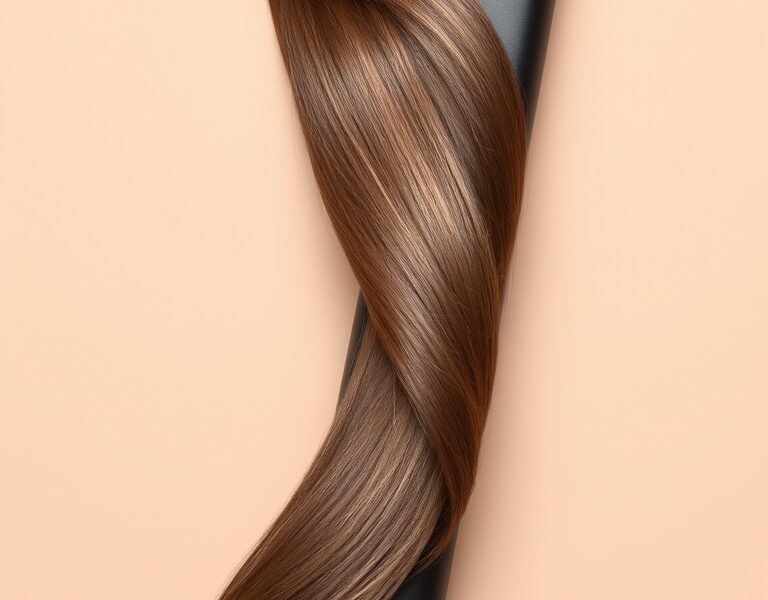
Why is my hair not staying straight? The frustration is all too familiar: you finish a session of heat styling, only to see your sleek locks revert to unruly curls or frizz within minutes. It’s a common problem that can stem from a mix of factors—heat, humidity, product choices, and even the way you style. Understanding why your hair behaves that way and learning the right fixes can transform your routine from a daily struggle into a confident, long‑lasting smooth look.
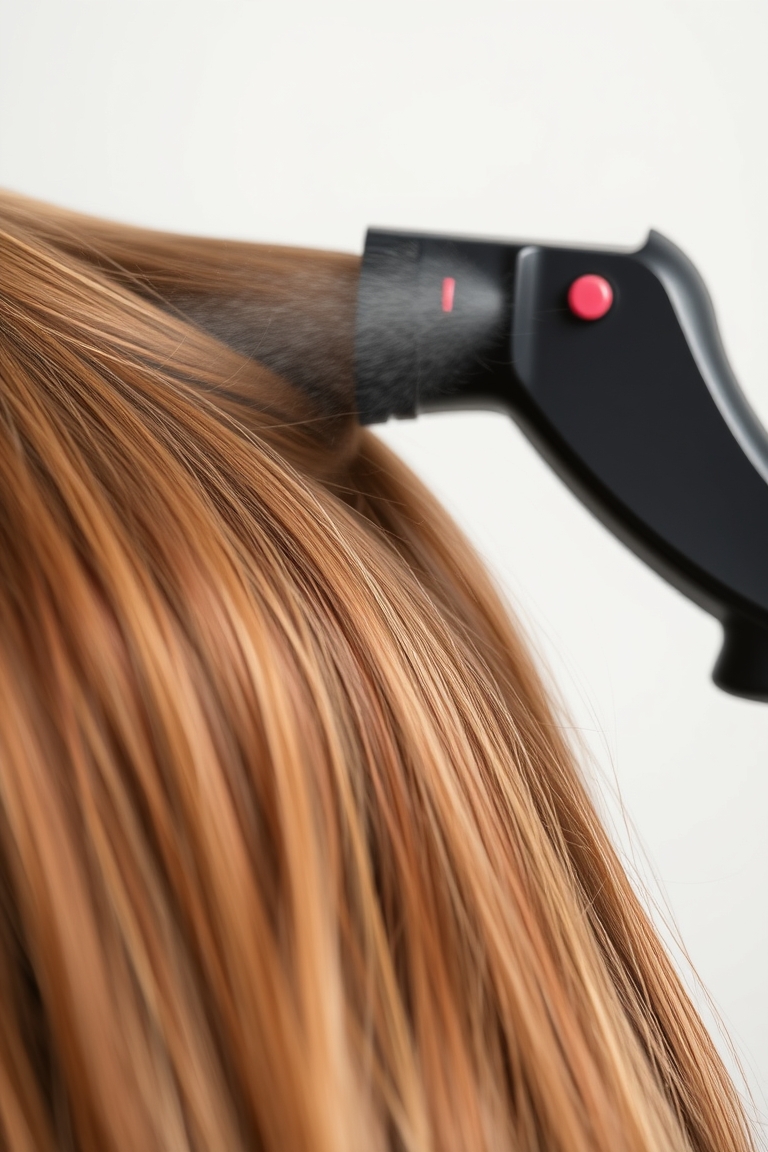
Understanding the Problem: What Happens to Straightened Hair?
When you straighten hair, you’re essentially breaking the natural hydrogen bonds that give strands their shape. Heat melts these bonds, allowing the hair to be reshaped. Once the heat is removed, the bonds reform, and if the hair is exposed to moisture or improper products, they can reform in a curled or frizzy state. The key to lasting straightness is protecting those newly formed bonds until they’re fully set and maintaining a low‑humidity environment.
Common Causes of Straight Hair Reverting
1. Inadequate Heat Settings
Using too low a temperature can leave bonds partially melted. The hair may look straight initially but will re‑curl as the bonds slowly re‑form. Conversely, too high a temperature can damage the cuticle, making hair more porous and frizz‑prone.


2. Humidity and Moisture Exposure
Humid air is the enemy of straight hair. Even a small amount of moisture can trigger the bonds to reform into curls. This is why you often notice frizz on humid days or after a shower.
3. Wrong Products or Application Techniques
Using the wrong styling products—such as a mousse or volumizing spray—can add lift and reactivate the cuticle. Additionally, applying products after heat styling can cause uneven distribution, leading to frizz.
4. Hair Damage and Porosity
Repeated heat styling weakens the hair’s protein structure. Damaged hair has a higher porosity, meaning it absorbs moisture more readily and is less likely to stay straight.
5. Improper Styling Technique
Skipping sections, moving too quickly, or using a straightener with uneven plates can leave hot spots that damage hair and create uneven straightening.
Product Choices That Influence Long‑Term Straightness
Heat Protectants
Before any heat, spray a heat protectant that forms a barrier against high temperatures. Look for products that contain silicone, which smooths the cuticle, or protein blends that reinforce the hair shaft.
Sleek‑Finish Serums
After straightening, apply a lightweight serum to lock in moisture and add shine. Avoid heavy creams that can weigh hair down and cause build‑up.
Anti‑Humidity Sprays
These sprays contain ingredients that repel moisture. They’re especially useful in tropical climates or during rainy seasons.
Leave‑In Conditioners
Choosing a leave‑in conditioner with a balanced moisture‑protein ratio helps maintain hair integrity. Too much moisture can make hair too soft for straightening; too much protein can make it stiff.
Heat Settings & Techniques for Optimal Straightening
Choosing the Right Temperature
- Fine or Damaged Hair: 350–375°F (175–190°C)
- Thick or Coarse Hair: 375–410°F (190–210°C)
- Very Thick or Curly Hair: 410–450°F (210–230°C)
Always start at the lowest effective temperature and work your way up if needed. Modern straighteners often have temperature presets—use them wisely.
Sectioning Your Hair
Divide your hair into 4–6 sections. Use clips or hair ties to keep sections separate. This ensures even heat distribution and reduces the risk of hot spots.
Plate Alignment & Speed
Place the straightener plates at the root, then glide slowly down to the ends. A speed of 1–2 seconds per section is ideal. Avoid rushing; rushing creates uneven heat and damage.
Using the Right Straightener
Choose a straightener with ceramic or tourmaline plates. These materials distribute heat evenly and release negative ions that reduce frizz. Avoid cheap metal plates that can create hot spots.
Humidity & Environmental Factors: How to Protect Your Straight Hair
1. Use an Anti‑Humidity Spray
Spray lightly 15–20 minutes before styling. This creates a moisture barrier that helps the straightened bonds stay set.
2. Seal with a Light Oil or Serum
After styling, apply a thin layer of argan or jojoba oil to lock in moisture and add shine. Use just a few drops; too much oil can weigh hair down.
3. Keep Hair Dry
After washing, towel‑dry gently. Avoid rubbing, which can create friction and frizz. Use a microfiber towel or a cotton T‑shirt for a gentle finish.
4. Store Hair Properly
When not wearing your hair, wrap it loosely in a silk scarf or use a silk pillowcase. Silk reduces friction and keeps moisture out, preserving straightness.
Maintenance & Aftercare: Keeping Straight Hair Sleek All Day
1. Nighttime Routine
- Wrap hair in a silk scarf or use a silk bonnet.
- Apply a light anti‑frizz serum to the ends.
- Use a low‑setting hair dryer (180–200°F) if you need extra drying.
2. Touch‑Up Techniques
If you notice a curl creeping back, use a small section of the straightener at a low temperature to re‑smooth. Do not over‑use the straightener; each touch‑up adds heat damage.
3. Regular Deep Conditioning
Once a week, apply a protein‑rich mask. This strengthens the hair shaft and reduces porosity, making it less likely to frizz.
4. Avoid Over‑Washing
Washing too frequently strips natural oils. Aim for 2–3 times per week with a sulfate‑free shampoo.
Step‑by‑Step Routine for Long‑Lasting Straight Hair
Step 1: Prep Your Hair
Wash with a sulfate‑free shampoo and protein‑balanced conditioner. Rinse thoroughly and towel‑dry. Apply a heat protectant evenly.
Step 2: Section & Clip
Divide into 4–6 sections. Clip the top sections first, leaving the bottom for last.
Step 3: Straighten
Set your straightener to the appropriate temperature. Take a small section (about 1 inch) and slide the straightener from root to tip. Repeat for all sections.
Step 4: Cool & Seal
Let the hair cool for 30 seconds. Then apply a light anti‑frizz serum or oil to each section.
Step 5: Finish & Protect
Apply a lightweight anti‑humidity spray. Wrap hair in a silk scarf or tie a silk bonnet. Your straight style is now ready to last.
Advanced Tips & Tricks for the Ultimate Sleek Look
1. Use a Cooling Fan
After styling, hold a small fan at a low speed over your hair for 30 seconds. This helps set the cuticle and reduces frizz.
2. Incorporate Negative Ion Hair Dryers
Negative ion technology helps neutralize static and smooth the cuticle. Pair it with a low heat setting for a gentle finish.
3. Try a Flat‑Iron Brush Combo
For fine hair, a flat‑iron brush can straighten while brushing, reducing the number of passes needed.
4. Use a Silicone‑Free Shampoo
Silicones can build up and weigh hair down. Switching to a silicone‑free formula keeps hair lighter and easier to straighten.
5. Incorporate Protein Treatments
Protein treatments once a month can rebuild the hair’s internal structure, making it more resilient to heat.
Frequently Asked Questions
Q1: Can I use a straightener on wet hair?
No. Wet hair is fragile and will be damaged by heat. Always ensure hair is completely dry before using a straightener.
Q2: How often can I straighten my hair without causing damage?
Try to limit straightening to 2–3 times per week. Use a heat protectant and choose the lowest effective temperature.
Q3: What’s the best way to keep straight hair in humid climates?
Use an anti‑humidity spray, seal with a light serum, and wear a silk scarf or bonnet at night. Avoid heavy products that can weigh hair down.
Q4: Why does my hair frizz after a shower even though I straightened it?
Showering introduces moisture. Even a quick shower can trigger the hair’s cuticle to lift. Use a leave‑in conditioner and a lightweight serum immediately after drying.
Q5: Can I straighten my hair if it’s damaged or brittle?
Yes, but proceed with caution. Use a low temperature, apply a protein‑based heat protectant, and consider a protein mask before heat styling.
By understanding the science behind straight hair, choosing the right products, and following a meticulous routine, you can keep your sleek style intact for hours—no matter the humidity, temperature, or daily hustle. Treat your hair with care, respect its limits, and enjoy the confidence that comes with a flawless, frizz‑free look.
For further reading, see related references on Wikipedia.
Leave a Reply