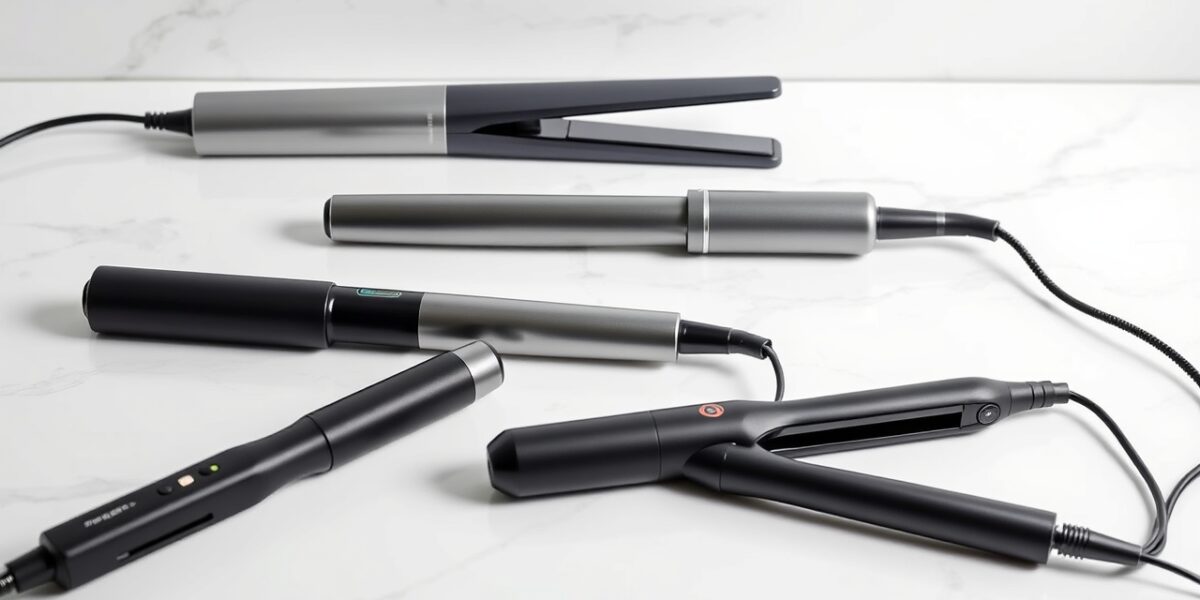
How to protect hair from heat damage is a question many styled hair enthusiasts ask. Whether you’re a daily blow‑dry pro or an occasional curling‑iron user, the goal is the same: keep your strands healthy, shiny, and resilient while still achieving your desired look.
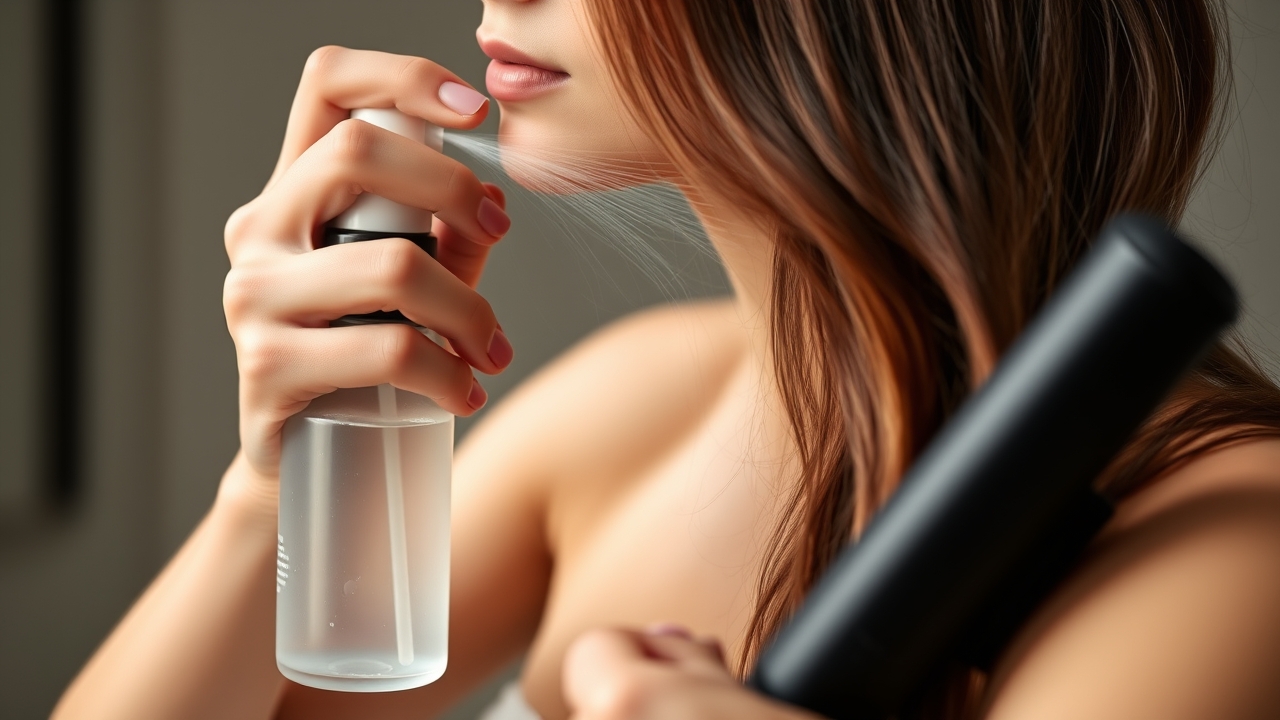
How to Protect Hair from Heat Damage: The Basics
Heat damage happens when the keratin proteins that give hair its structure are exposed to temperatures above 120°F (49°C). Over time, repeated high‑temperature styling can cause the cuticle to lift, the shaft to weaken, and the hair to become brittle, frizzy, and dull. Understanding this process is the first step toward preventing it.
Understanding Heat Damage
When you heat a strand, the water inside evaporates, and the protein bonds that hold the hair together start to break. The higher the temperature and the longer the exposure, the more damage occurs. The same principle applies whether you’re using a straightener, curling iron, or a blow‑dryer. Heat damage can be cumulative—each styling session adds a small amount of stress that, over months, can lead to split ends and breakage.


Why Heat Protectants Matter
Heat protectants are formulated to create a protective barrier on the hair shaft. They contain silicones, polymers, and sometimes natural oils that help seal the cuticle, reduce friction, and distribute heat more evenly. By applying a heat protectant spray or serum before styling, you effectively lower the temperature that reaches the inner layers of the hair, minimizing protein loss.
Heat Protectant Tips for Every Hair Type
Not all heat protectants are created equal. Choosing the right one for your hair type and styling routine can make a noticeable difference.
Choosing the Right Heat Protection Spray
- Fine or Thin Hair: Look for lightweight, water‑based sprays that won’t weigh the hair down.
- Coarse or Curly Hair: Opt for richer formulas that add moisture and help define curls.
- Color‑treated Hair: Select products with UV protection and gentle ingredients to preserve vibrancy.
Application Techniques
Applying heat protectant correctly is as important as choosing the right product:
- Use a spritz or dab—too much can cause buildup.
- Distribute evenly from roots to ends, focusing on the mid‑shaft where heat concentration is highest.
- Let the product dry or lightly pat it in with a towel before styling.
Timing Before Styling
Give the protectant a moment to work. Waiting 30–60 seconds allows the barrier to set on the cuticle, reducing heat transfer. This simple pause can cut the risk of damage by up to 25%.
Safe Heat Styling Practices
Even with a heat protectant, the way you style matters. Adopting safe practices can dramatically extend the life of your hair.
Temperature Settings
Most straighteners and curling irons have adjustable heat settings. Aim for the lowest effective temperature:
- Fine or colored hair: 250–300°F (121–149°C)
- Normal to coarse hair: 300–350°F (149–177°C)
- Very coarse or tightly coiled hair: 350–400°F (177–204°C)
Tool Maintenance
Dirty plates or heated tips can increase friction and cause uneven heat distribution. Clean your tools regularly with a microfiber cloth or a dedicated cleaning solution. Also, replace worn plates when they start to lose their smoothness.
Styling Routine
Don’t over‑style. Limit each hair strand to one pass for straightening or curling. Repeating the same section at high heat can create a “hot spot” that leads to breakage.
Prevent Heat Damage with Everyday Habits
Heat protection isn’t just about the tools you use; it’s also about the care you give your hair everyday.
Moisture Management
Dry, dehydrated hair is more vulnerable to heat. Use a hydrating shampoo and conditioner, and consider a leave‑in conditioner or oil treatment once a week to replenish moisture.
Protective Styling
Incorporate low‑heat or no‑heat styles—braids, buns, or loose waves—into your routine. These styles give your hair a break from constant heat exposure and help maintain strength.
Post‑Styling Care
After using heat, rinse with cool water to help close the cuticle. Finish with a lightweight serum or spray to lock in moisture and add shine. Avoid rubbing your hair with a towel; instead, gently pat or use a microfiber towel to reduce friction.
How to Protect Hair from Heat Damage: The Final Checklist
- Pre‑style with a heat protectant spray.
- Choose the correct temperature for your hair type.
- Clean your tools regularly.
- Limit the number of passes per section.
- Hydrate and moisturize your hair daily.
- Incorporate heat‑free styling days.
- Finish with a light serum to seal moisture.
Understanding Your Hair’s Heat Sensitivity
Hair Type & Porosity
Fine, low‑porosity hair can become easily weighed down by heavy protectants, while coarse, high‑porosity strands need more moisture to prevent frizz. Assess your hair by the “tug test”: a single strand should resist tugging but not snap; if it snaps easily, you may have high porosity and need richer products.
Color‑Treated vs Natural
Coloring introduces additional chemicals that can weaken the cuticle. Heat protectants with UV filters and color‑safety claims help preserve vibrancy and prevent fading, especially for balayage or ombre styles.
Step‑by‑Step Styling Routine
Pre‑Style Prep
Start with freshly washed hair. Apply a lightweight, sulfate‑free shampoo followed by a protein‑rich conditioner. Rinse thoroughly and towel‑dry until damp.
Heat Protectant Application
Hold the spray 6–8 inches away and mist evenly. For very dry hair, add a small amount of leave‑in or oil to the mist to boost moisture.
Styling Technique
Section your hair into manageable parts. Use a heat‑resistant brush or comb to smooth the strand before passing the iron. Keep the iron moving to avoid prolonged heat on one spot.
Post‑Style Finishing
After styling, apply a silicone‑free serum to lock in moisture and add shine. Finish with a light hairspray if needed for hold.
Heat Protectant Ingredient Breakdown
Silicones
Silicones like dimethicone or cyclopentasiloxane create a slick film that reduces friction. They’re excellent for smoothing but can build up over time, so look for water‑soluble options if you wash frequently.
Natural Oils
Argan, jojoba, and coconut oils add nourishment and help seal the cuticle. They’re ideal for coarse or dry hair but can weigh fine strands, so use sparingly.
Proteins & Amino Acids
Keratin, silk, and wheat proteins reinforce the hair shaft. They’re especially helpful after bleaching or coloring, where the protein structure is compromised.
UV Filters
Ingredients like octocrylene or UV‑absorbing polymers protect color and prevent sun‑induced breakdown. If you spend time outdoors, choose a protectant with UV defense.
DIY Heat Protectant Recipes
Coconut Milk & Aloe Vera Mist
Blend 1/4 cup coconut milk, 1/4 cup aloe vera gel, and 10 drops of essential oil (lavender or rosemary). Shake well and spray onto damp hair before styling.
Olive Oil & Honey Serum
Mix 1 tablespoon olive oil with 1 teaspoon honey. Warm slightly, then apply a small amount to mid‑shaft and ends. This serum offers natural heat protection and shine.
Common Mistakes to Avoid
Too High Temperature
Many users default to the maximum heat setting. Even fine hair can suffer if the iron stays above 300°F for extended periods.
Leaving Hair Wet
Styling damp hair without a protectant allows water to vaporize, which can cause scorching and breakage.
Reusing Tools
Using the same iron or brush repeatedly without cleaning can transfer buildup, leading to uneven styling and increased friction.
Professional vs Home Tools
Salon‑Grade vs Budget
Professional irons often feature ceramic or tourmaline plates that distribute heat uniformly. Budget models may have uneven heating, so adjust your technique accordingly.
Features to Look For
- Temperature control with precise settings.
- Auto‑shutoff for safety.
- Heat‑resistant handle to protect your hands.
Heat Damage Recovery Treatments
Deep Conditioning
Use a deep mask once a week, focusing on the mid‑shaft and ends. Look for ingredients like panthenol and glycerin to attract moisture.
Protein Treatments
Apply a protein mask every 4–6 weeks to rebuild the keratin structure. Avoid over‑protein, which can make hair stiff.
Trims & Haircuts
Regular trims (every 6–8 weeks) remove split ends that can travel up the shaft, preventing further damage.
When to Seek a Stylist
If you notice persistent brittleness, breakage, or significant color fading despite using protectants, it’s time to consult a professional. A stylist can assess your hair’s health, recommend tailored treatments, and adjust your styling routine.
Frequently Asked Questions
How to protect hair from heat damage: Is there a single best product?
No single product works best for everyone. The key is to match the formula to your hair type and styling routine. Lightweight sprays are ideal for fine strands, while richer serums suit thicker or coarser hair. Look for products that list a clear heat‑protective ingredient, such as silicones or natural oils, and test a small batch first to ensure it doesn’t cause buildup or greasiness.
Can I use a heat protectant on wet hair?
Yes, but the application changes. When hair is wet, a light mist of spray is sufficient; the water helps the product spread evenly. For very damp hair, applying a tiny amount of serum or oil before the spray can prevent frizz and add extra moisture. Avoid heavy products on wet hair, as they can weigh down fine strands and create a greasy feel.
Is it safe to use a straightener on hair that’s already dry?
Yes, but always apply a heat protectant first. Dry hair is more susceptible to heat because it lacks the moisture that helps dissipate heat. A protectant barrier reduces the temperature that reaches the inner layers, preventing protein loss and breakage. If you’re styling dry hair often, consider using a lower heat setting and a brush or comb to help distribute the heat evenly.
How often should I replace my heat styling tools?
Replace or refurbish your tools when the plates start to warp or lose smoothness—typically after 1–2 years of consistent use. Worn plates increase friction and can damage hair. Signs of wear include uneven heating, visible scratches, or a rough surface that feels gritty to the touch.
Do I need to use a heat protectant if I only blow‑dry my hair?
Even blow‑drying can cause damage if the dryer’s nozzle is too close or the heat is set too high. A light mist of heat protectant can reduce the risk of dryness and frizz. If you use a diffuser, keep the heat low and use a lower heat setting to avoid excessive heat exposure.
By following these practical steps and staying mindful of the heat you apply, you can keep your hair looking healthy and vibrant while still enjoying the styles you love.
Leave a Reply