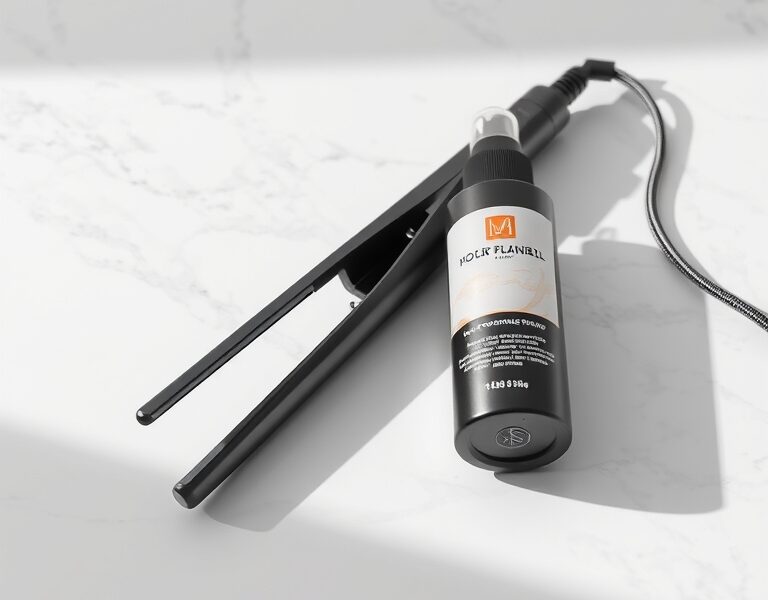
Achieving a flawless, all‑day straight style isn’t a matter of slapping on a flat iron and hoping for the best. It’s a choreography that starts before the heat even touches your strands and ends with a nighttime ritual that preserves the seal you’ve created. Below is a step‑by‑step playbook that turns a fleeting straight look into a long‑lasting confidence‑boosting staple.
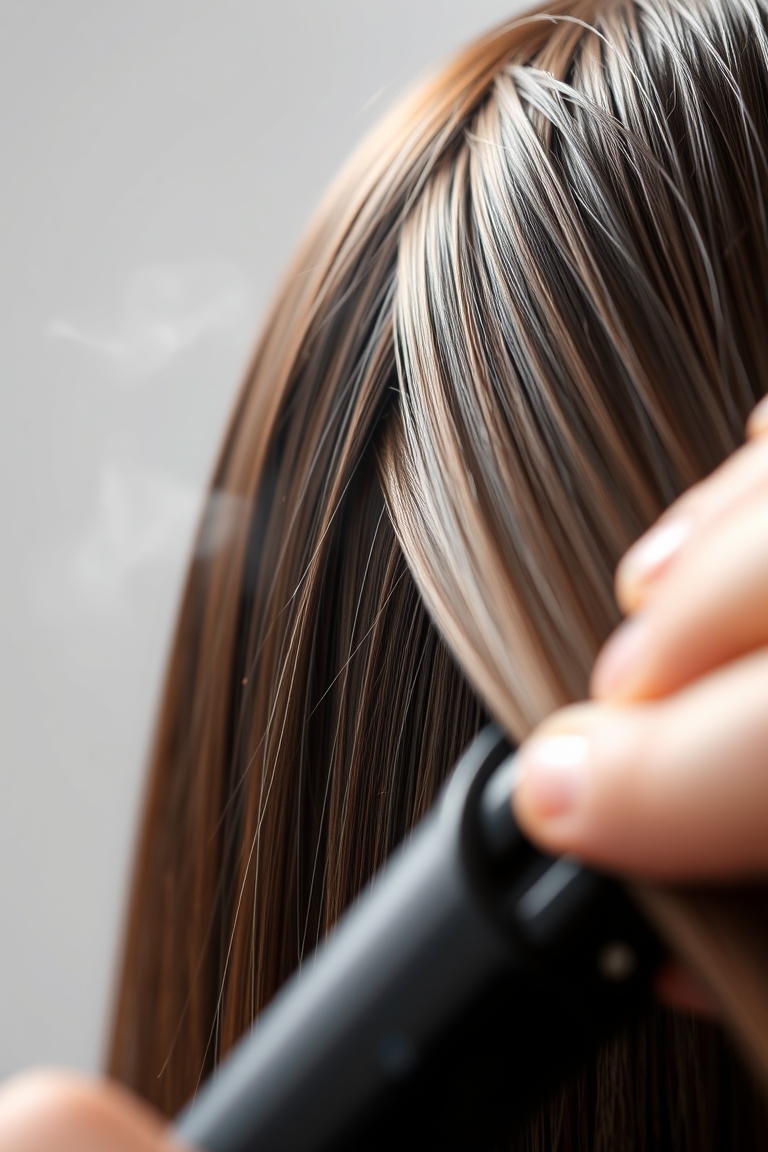
The Foundation: Pre‑Styling for Long‑Lasting Straight Hair
Think of your hair as a canvas that needs the right primer before a masterpiece can be painted. If the surface is uneven or saturated with residue, the final stroke will never sit perfectly. That’s why the first move is always a cleanse that strips away the day’s build‑up.
Choosing the Right Shampoo and Conditioner
For a sleek finish, start with a clarifying shampoo once a week to lift grit and product residue. Follow it with a lightweight, silicone‑free conditioner that focuses on the mid‑lengths and ends. Applying conditioner to the roots can create a greasy halo that pulls down the straightened strands, so keep it away from the scalp.


The Role of the Blow Dry
Many people straighten damp or air‑dried hair, a practice that forces heat into already wet strands and invites frizz. Instead, use a paddle or round brush to pull each section taut while you blow‑dry. The goal is to set the hair’s direction while it’s still damp, giving the flat iron a smooth surface to glide over. This technique also cuts the overall heat exposure, reducing damage.
Mastering the Heat: Tools and Techniques
Once your hair is fully dry, the real work begins. Precision trumps speed—each pass should feel like a gentle glide, not a frantic sprint.
Heat Protectants are Non‑Negotiable
A high‑quality heat protectant is the unsung hero of a lasting straight look. It forms a barrier that shields the cuticle from the iron’s temperature and prevents moisture from seeping in. Look for formulas that list thermal protection and lightweight emollients; they seal without weighing hair down.
The “Chase Method” for Maximum Sleekness
Instead of clamping the iron and pulling, slide a fine‑tooth comb in front of the plates. As the iron moves down, the comb separates each strand, ensuring even heat distribution. This approach eliminates the “clumping” that often causes late‑afternoon waves.
Sectioning for Consistency
Divide your head into at least four quadrants, then work in sections no wider than an inch. Thick sections leave inner strands under‑heated, leading to a sudden bounce back when the hair cools. Small, consistent sections guarantee uniform heat and a smoother finish.
Battling the Elements: Straight Hair Humidity Control
Humidity is the silent saboteur that turns a crisp style into a frizz‑laden mess. The trick is to create a moisture barrier that keeps atmospheric water from infiltrating the shaft.
Using Anti‑Humidity Sealants
After you’ve finished straightening, apply a lightweight finishing oil or a silicone‑based anti‑humidity spray. I like a dry oil that adds shine without the greasy feel—just a few drops on your palms and a gentle sweep through the hair. This locks the cuticle and keeps the style intact even in 80% humidity.
The Cold Shot Trick
Finish each blow‑dry section with the “cold shot” button on your dryer. The sudden drop in temperature helps seal the cuticle, locking the style in place. It’s a simple step that many overlook, yet it can double the longevity of your straight look.
Maintenance Throughout the Day
Even the best prep can be undone by careless habits. The key is to protect the seal rather than re‑style.
Avoid Touching Your Hair
Fingers carry oils that break down the protective barrier you’ve built. If you need to tuck a stray strand, use a silk scrunchie on your wrist instead of a tight elastic that leaves creases. The less friction, the longer the style stays smooth.
Strategic Use of Dry Shampoo
On the second or third day, a quick spray of dry shampoo at the roots can lift flatness without adding weight to the ends. Massage it in well to avoid a powdery residue, and follow with a light mist of anti‑frizz serum.
Common Mistakes That Ruin Your Straight Look
- Straightening Damp Hair: The iron sizzles, but the heat is wasted on moisture, causing permanent damage and a collapsed style.
- Using Too Much Product: Heavy creams or serums create a sink that pulls the hair down, making it lose its straightness.
- Wrong Temperature: A low setting forces multiple passes, roughening the cuticle; a high setting can scorch the strands. Find the sweet spot for your texture.
- Ignoring the Nape of the Neck: This area rubs against collars and scarves, making it the first to frizz. Apply a sealing spray here for extra protection.
Advanced Tips for Different Hair Types
Hair responds differently to heat based on its natural texture. Tailor your routine accordingly.
For Coarse or Curly Hair
Coarse strands need a heavier guard. Apply a leave‑in smoothing cream to soaking wet hair before blow‑drying. The extra weight prevents the hair from “shrinking” back up. If your iron can handle it, crank the temperature up slightly—but always pair it with a robust heat protectant.
For Fine or Thin Hair
Fine hair is prone to weighing down. Skip heavy oils; instead, use a volumizing mousse at the roots and a lightweight serum at the ends. When straightening, avoid pulling the hair too tight against the scalp, which can create a plastered look.
The Importance of Tool Quality
Even the best technique is limited by subpar equipment. Ceramic plates are ideal for fine hair because they distribute heat evenly; titanium plates maintain a consistent temperature for thicker strands. Keep your plates clean by wiping them with a damp cloth when they’re cool—product buildup can throw off heat distribution.
For more in‑depth guidance on selecting the right straightener, visit salehairstraighteners.net. And for a roundup of the best heat protectants on the market, check out our heat protectant reviews.
Nighttime Preservation
Your style’s endurance depends on how you sleep. Cotton pillowcases create friction that frizzes; switch to silk or satin to keep the seal intact.
Switch to Silk or Satin
A silk pillowcase lets your hair glide smoothly, preventing tangles. If you don’t have one, wrap your hair in a silk scarf before bed; the same principle applies.
The Loose Low Ponytail
When you’re on the go, tie your hair in a loose low ponytail with a silk scrunchie. This keeps the ends elongated and stops them from rubbing against your shoulders, which can create unwanted waves.
Summary Checklist for Straight Hair That Lasts
- Clarify hair to remove buildup.
- Blow‑dry completely, using a brush for tension.
- Apply a high‑quality heat protectant.
- Use the “chase method” with a fine‑tooth comb.
- Seal the cuticle with a cold shot or anti‑humidity spray.
- Avoid touching hair throughout the day.
- Sleep on silk to maintain the look overnight.
Frequently Asked Questions
How to get straight hair to last all day in humid weather?
Build a moisture barrier by using a heat protectant before straightening, then finish with an anti‑humidity sealant or a lightweight silicone serum. This prevents atmospheric water from penetrating the shaft and causing frizz.
Should I straighten my hair while it is damp?
No. Straightening damp hair forces heat into water, creating a “bubble hair” effect that can damage the cuticle and ruin the style’s longevity.
How often can I straighten my hair without damaging it?
Limit heat styling to 2–3 times a week. Always pair it with a heat protectant and consider heatless styling on alternate days to give the hair a break.
Does the temperature of the iron affect how long the style lasts?
Yes. Too low a temperature means multiple passes that roughen the cuticle; too high risks scorching. Find the sweet spot where one or two slow passes leave the hair perfectly straight.
Can dry shampoo help keep hair straight?
Yes. Dry shampoo absorbs excess oil at the roots, preventing the hair from becoming flat and weighed down. It’s especially useful on the second or third day of a straight style.
Leave a Reply