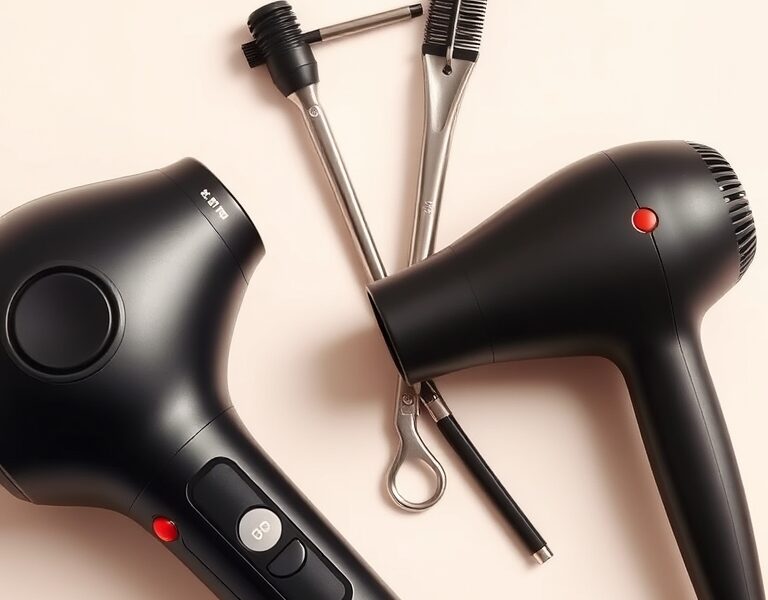
Every time you slide a flat iron or curling wand over your strands, you’re exposing hair to temperatures that can exceed 400°F (about 200°C). A single pass can lift the cuticle, alter the protein structure, and leave the shaft vulnerable to breakage. The best heat protectant for straightening is the first line of defense that keeps your tresses glossy, frizz‑free, and healthy.
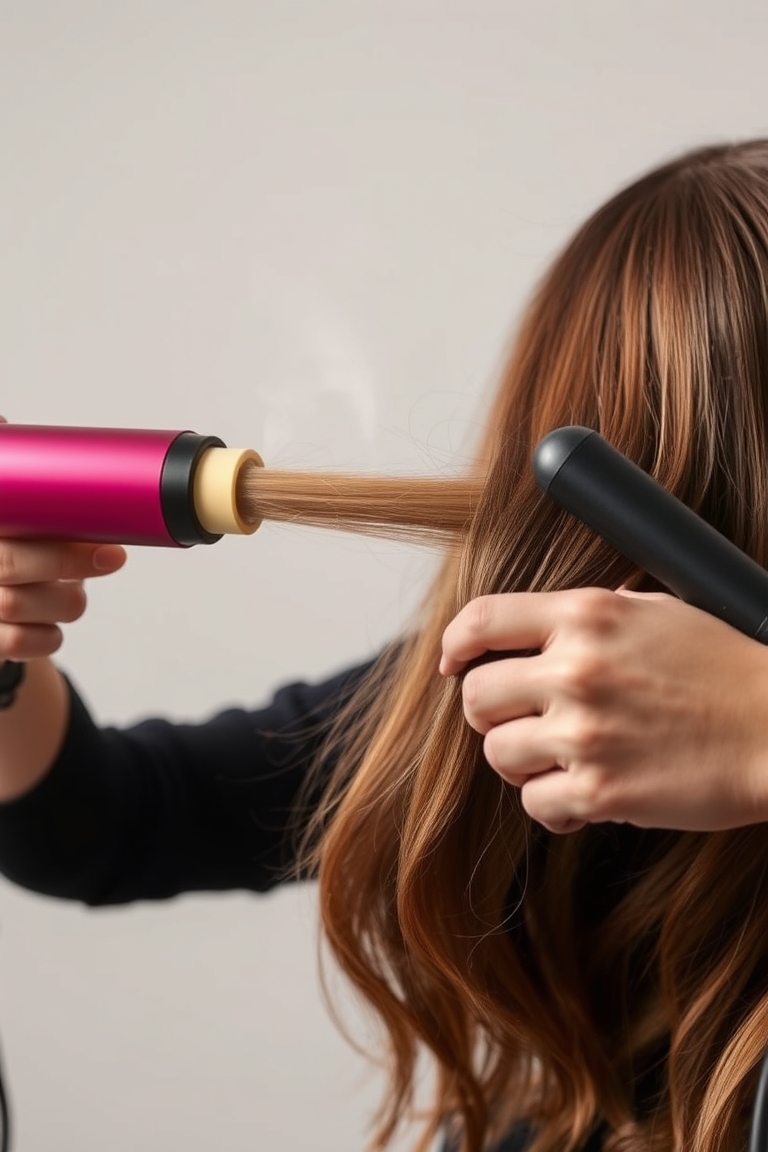
The Best Heat Protectant for Straightening: Why It Matters
Think of the protectant as a thin, invisible coat that spreads heat evenly across the hair shaft. It infiltrates the cuticle, forming a film that reduces direct contact between the metal surface and the fiber. Without this barrier, repeated heat styling can turn shiny tresses into brittle, dull strands.
A quality shield also locks in moisture, keeping the hair hydrated and responsive to styling tools. That’s why most professionals recommend applying a heat protectant before every session, even if you only use a flat iron once a week.


What Makes a Good Heat Protectant for Straightening?
A top‑tier product delivers three core benefits:
- Heat Distribution: Evenly spreads temperature across the hair shaft.
- Moisture Locking: Seals in water and prevents dehydration.
- Protein Support: Reinforces keratin, reducing breakage.
When evaluating a formula, look for ingredients that match these functions. Silicones such as dimethicone create a protective film; polymers like acrylates provide heat resistance; natural oils—argan, jojoba, or marula—add moisture and shine. The best heat protectant for straightening will combine these elements without leaving a heavy, sticky residue.
Types of Heat Protectants: Sprays, Serums, and Creams
Heat protectants come in several textures, each suited to different hair types and styling routines.
Sprays – The Quick‑Apply Option
Sprays are ideal for quick touch‑ups or when you’re on the go. They typically contain a fine mist that coats the hair evenly. However, they can be light on moisture for very dry or coarse hair. Choose a spray labeled “best heat spray” if you need instant coverage.
Serums – For Extra Shine and Control
Serums are slightly thicker and glide through the strands, adding a subtle sheen while shielding against heat. A serum that contains lightweight oils can also help tame flyaways. Popular examples include the TRESemmé Thermal Creations Spray and the John Frieda Frizz Ease Extra Strength Serum.
Creams – The Nourishing Shield
Creams are richer and often packed with hydrating ingredients. They’re perfect for thick, curly, or color‑treated hair that needs extra moisture. The best heat protectant for straightening in cream form will feel silky without weighing hair down. Look for products like the Moroccanoil Treatment Light or the Living Proof Perfect Hair Day Spray, which balance protection with lightness.
How to Apply Heat Protectant for Flat Iron Success
Applying the protectant correctly is as important as choosing the right product. Follow these steps for optimal results:
- Start with Clean, Damp Hair: Wash and condition as usual. Towel‑dry until damp; never apply protectant to dry hair.
- Dispense Enough Product: For sprays, use 2–3 pumps; for serums and creams, a quarter‑to‑half teaspoon is enough.
- Work It In: Apply from mid‑length to ends, then back up to the roots. Use a wide‑tooth comb to distribute evenly.
- Let It Absorb: Wait 30–60 seconds before using your flat iron. This allows the film to set and the heat to be dispersed.
- Style as Usual: Slide the iron section by section, maintaining a consistent speed.
Remember, the protectant is a shield, not a styling product. It won’t create curls or waves but will keep your hair safe while you achieve the look you want.
Common Mistakes to Avoid When Protecting Before Straightening
- Using Too Much: Excess product can weigh hair and create a greasy look.
- Skipping the Roots: Roots receive the highest heat; ensure they’re coated.
- Applying to Dry Hair: Dry strands won’t absorb the protectant, reducing its effectiveness.
- Over‑Styling: Even with protection, multiple passes can still cause damage.
- Neglecting Moisture: If your hair is severely dry, pair the protectant with a lightweight leave‑in conditioner.
Choosing the Best Heat Protectant for Straightening Based on Hair Type
Hair varies in porosity, thickness, and natural oil production. Here’s how to match a protectant to your needs:
Fine or Thin Hair
Opt for a lightweight spray or serum. Heavy creams can cause buildup and limpness. A product like the Paul Mitchell Tea Tree Special Light or the L’Oréal Paris Elvive Extraordinary Clay 3 Spray works well.
Medium to Thick Hair
A slightly richer serum or a moderate‑strength cream works well. It provides enough coverage without weighing the strands. The Redken Extreme Anti‑Breakage Spray or the Kerastase Discipline Thermic Cream are excellent choices.
Curl or Coarse Hair
Coarse hair benefits from a cream rich in oils and proteins. A product that offers deep conditioning will keep curls defined while protecting from heat. The Shea Moisture Coconut & Hibiscus Curl Enhancing Smoothie or the Briogeo Scalp Revival Charcoal + Tea Tree Scalp Treatment are great options.
Color‑Treated or Chemically Modified Hair
Color treatments can strip natural moisture. Choose a protectant that includes protein and moisturizing agents to reinforce the cuticle and lock in color. Look for formulas with hydrolyzed keratin, panthenol, and glycerin, such as the Matrix Total Results Color Care Spray or the Joico K-PAK Color Protection.
Testing the Effectiveness of Your Heat Shield Product
While reviews and ingredient lists are helpful, the only true test is how your hair responds after a styling session.
- Check for Frizz: If hair remains smooth, the protectant is doing its job.
- Feel for Softness: Hair should feel supple, not stiff or brittle.
- Observe Shine: A subtle sheen indicates the film is intact.
- Note Breakage: Minimal split ends after repeated styling is a good sign.
If you notice any of the above issues, consider trying a different formulation or adjusting the amount you apply.
DIY vs. Store‑Bought Heat Protectants
Some people prefer homemade solutions, but they often lack the precise balance of ingredients needed for high‑temperature protection. Store‑bought products are formulated to withstand the heat of flat irons and curling wands, and they usually come with clear usage instructions.
That said, a DIY approach can be useful for those with severe sensitivities or allergies. Simple mixtures of water, aloe vera, and a small amount of silicone can offer a light barrier, though they may not perform as well under extreme heat. A classic recipe is 1 tablespoon of aloe vera gel, 1 teaspoon of coconut oil, and a few drops of argan oil mixed with 1 cup of water. Shake well and spray lightly before styling.
Heat Shield Products in the Context of Professional Styling
Many salons use high‑end heat protectants that incorporate advanced polymers and antioxidants. While these products can be more expensive, the added protection is worth it for frequent stylists or clients who regularly use heat tools.
For home users, a mid‑range product that balances cost and performance is usually sufficient. Look for items that list “heat shield” or “heat protection” prominently on the label. Brands such as John Frieda, TRESemmé, and Redken consistently rank high in consumer reviews for their protective formulas.
External Resource: Understanding Heat Styling
For a deeper dive into how heat affects hair structure, check out the heat styling page on Wikipedia. It provides a solid scientific background that can help you appreciate why protection matters.
Internal Link: Explore Tools That Complement Your Protectant
When you’re ready to pair your heat shield with the right flat iron, visit our best straightening tools collection. The right tool can maximize the benefits of your protectant, delivering smoother, shinier results.
FAQ
- What is the best heat protectant for straightening?
- The best heat protectant for straightening is one that offers even heat distribution, moisture locking, and protein support, such as a lightweight spray or serum that contains silicones and light oils.
- How often should I apply a heat protectant before straightening?
- Apply before every heat styling session, even if you only use a flat iron once a week. Consistent use prevents cumulative damage.
- Can I use a leave‑in conditioner as a heat protectant?
- A leave‑in conditioner can help with moisture, but it may not provide sufficient heat resistance. Use it in combination with a dedicated heat shield.
- Does the best heat protectant for straightening work on curling wands?
- Yes. The same principles apply: heat distribution and moisture sealing protect hair whether you’re straightening or curling.
- Will a heat protectant make my hair look greasy?
- If applied correctly—lightly and evenly—most protectants will leave hair feeling silky without greasiness. Use a small amount and distribute well.
Leave a Reply