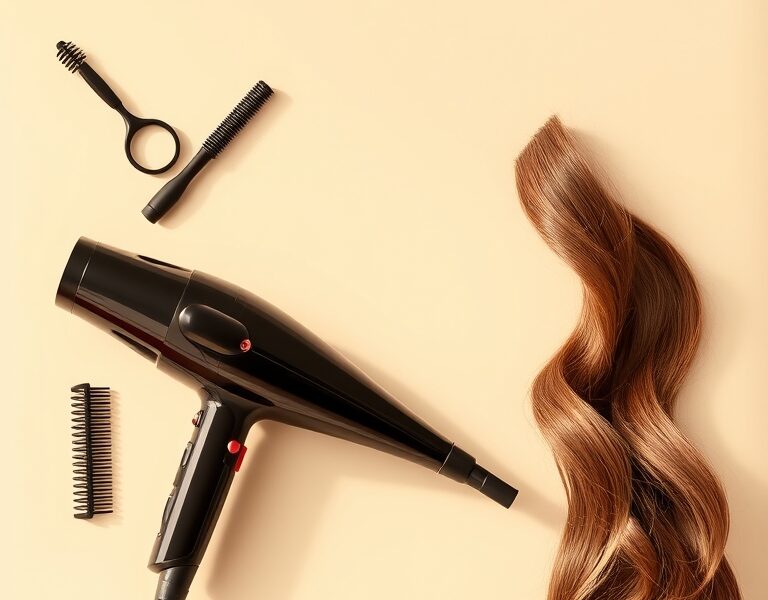
How to get sleek straight hair is a question many ask before a big event or a daily routine. The desire for a flawless, glass‑smooth finish is universal, yet the process can feel intimidating. This guide breaks down the science, techniques, and maintenance steps so you can confidently straighten your hair while keeping it healthy.
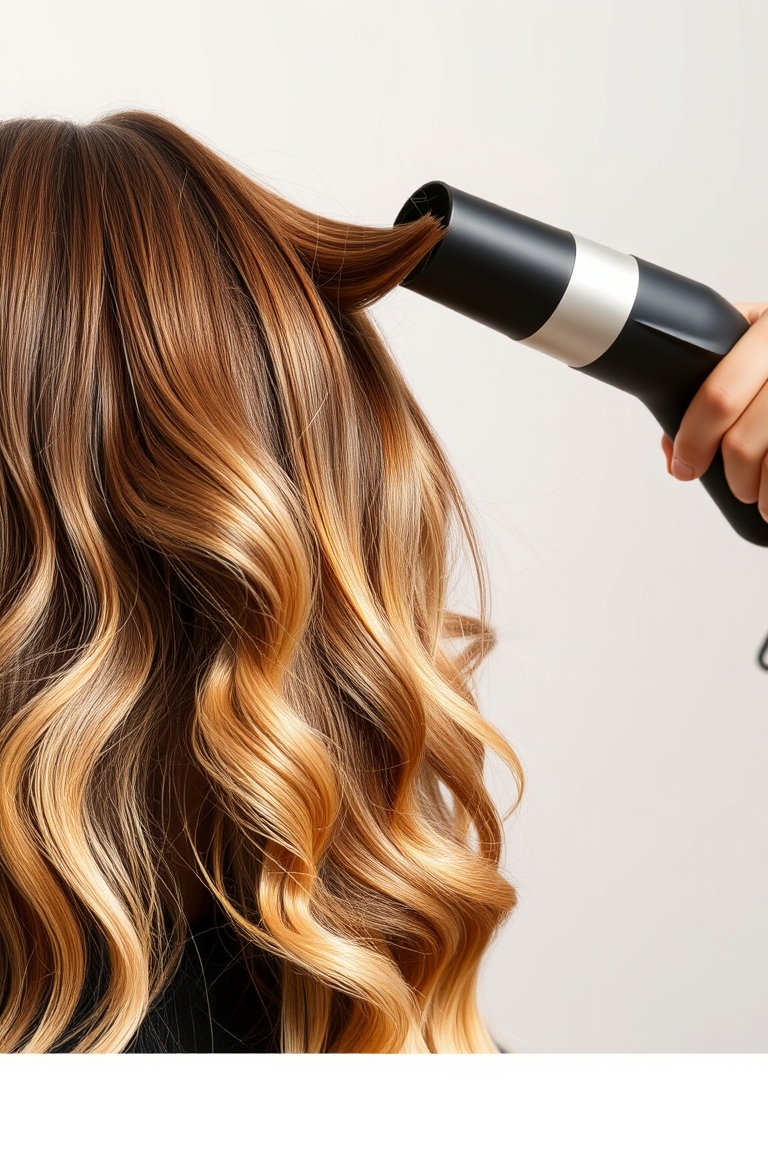
How to get sleek straight hair: The Basics
Before you flip the switch, understand that straightening is a heat‑based process that relies on altering the protein bonds in your hair. The key to success is controlling temperature, minimizing damage, and using the right technique. Here’s what you need to know:
- Know Your Hair Type: Fine, medium, and coarse textures respond differently to heat. Fine hair may need a lower temperature, while coarse hair often requires a higher setting to achieve full straightness.
- Heat Settings: Most modern straightening tools offer a range of temperatures. A general guide is 300°F (150°C) for fine hair, 350°F (177°C) for medium, and 375°F (190°C) for coarse. Always start low and increase if needed.
- Sectioning: Divide your hair into manageable sections—typically 4 to 6. Smaller sections allow for even heat distribution and reduce the time each strand spends under the iron.
- Heat Protectant: A lightweight serum or spray shields your hair from up to 90% of heat damage. Apply evenly and let it dry before ironing.
Pre‑Styling Prep
Start with clean, dry hair. Wet or damp strands can lead to uneven straightening and increased damage. If you wash your hair the night before, apply a leave‑in conditioner to keep moisture locked in. After drying, run a comb through to detangle and remove any frizz.


The Straightening Process
1. Heat the iron: Allow the tool to reach the desired temperature before use. A quick test on a small hair segment ensures it’s hot enough.
2. Grab a small section: Hold 1–2 inches of hair between the plates, keeping the hair tight against the iron.
3. Slide smoothly: Move the iron down the shaft from root to tip in a single, steady motion. Avoid pausing or back‑and‑forth strokes, which can cause heat buildup and damage.
4. Repeat: Work through each section, maintaining consistent pressure and speed. For a truly sleek look, re‑iron each section once after the initial pass.
Post‑Styling Care
After straightening, apply a light mist of leave‑in spray or a small amount of oil to lock in moisture. This step helps preserve the smooth finish and prevents frizz throughout the day.
Sleek Hair Look: What It Means
A sleek hair look is characterized by a uniform, glossy surface with minimal wave or curl. It’s achieved through precise heat application and the right aftercare routine. The key is consistency—each strand should be treated the same way to avoid a patchy finish.
Glass Hair: Achieving the Mirror‑Like Finish
Glass hair takes the sleek look to another level, delivering a polished, reflective sheen that mimics the surface of glass. To reach this effect:
- Use a high‑quality heat protectant that contains silicone or other conditioning agents.
- Maintain a steady temperature; fluctuating heat can create uneven gloss.
- Finish with a shine serum or light hairspray that adds a reflective layer.
- Keep hair cool before touching it; sudden temperature changes can cause frizz.
Pin Straight Hair: A Classic Technique
Pin straight hair refers to a method where the hair is gently pinched between the plates, ensuring close contact. This technique reduces the risk of heat spots and yields a flatter, more even finish. It’s especially useful for longer strands or when you want a high‑gloss look.
Smooth Sleek Style: Maintenance Tips
Achieving a smooth sleek style is one thing; maintaining it is another. Here are daily habits that keep your hair looking straight and shiny:
- Use a microfiber towel: Pat dry rather than rubbing, which can cause breakage.
- Sleep on a silk pillowcase: Reduces friction and keeps the hair smooth.
- Reapply a light serum: Especially after washing or when humidity rises.
- Limit heat exposure: If you need to style again, use the lowest effective temperature.
For those who want to explore professional straightening tools, visit our professional straightening tools page for expert guidance.
FAQ
How to get sleek straight hair without damaging my strands? Use a heat protectant, keep the iron at a safe temperature for your hair type, and avoid excessive passes. You can also alternate heat with cool shots to lock in the style.
Can I use a regular flat iron for a glass hair finish? Yes, but make sure it has adjustable temperature settings and a ceramic or tourmaline coating for even heat distribution.
How long does a sleek straight hair look last? With proper aftercare, it can last 12–24 hours. Moisture, humidity, and touch can reduce its longevity.
What are the best heat protectants for straightening? Look for lightweight serums or sprays containing silicones, panthenol, or natural oils. Avoid heavy creams that can weigh hair down.
Is it safe to straighten hair every day? Daily straightening can cause cumulative damage. Aim for no more than 2–3 times per week and always use a high‑quality heat protectant.
For more in‑depth information on heat styling tools, check out the hair straightener page on Wikipedia.
Choosing the Right Straightening Tool
Not all flat irons are created equal. The material, plate width, and technology behind a straightener can dramatically affect the outcome and hair health.
Plate Materials
- Ceramic: Even heat distribution, less frizz, suitable for all hair types.
- Tourmaline: Emits negative ions that reduce static and add shine, ideal for fine or frizzy hair.
- Titanium: Extremely fast heating, great for thick, coarse hair, but can be harsher if not used carefully.
- Glass: Smooth surface, minimal heat spots, but heavier and pricier.
Plate Width & Shape
- 4‑inch plates are versatile for most lengths but may struggle with very tight curls.
- 3‑inch plates are perfect for short to medium hair and quick styling.
- 2‑inch plates are best for fine or very short hair, allowing precise control.
Temperature Control & Safety Features
- Adjustable heat settings let you match the temperature to your hair type.
- Auto‑shutoff timers reduce the risk of accidental overheating.
- Heat‑resistant handles prevent burns during styling.
Top Picks for Different Needs
- Best overall: GHD Platinum+ – ceramic plates, 400°F max, 10‑minute preheat.
- Best for fine hair: BaBylissPRO Nano Titanium – 350°F max, anti‑static coating.
- Best budget: Remington Pro Flat Iron – ceramic, 360°F max, 5‑minute preheat.
- Best for thick hair: HSI Professional Glider – titanium, 410°F max, 8‑minute preheat.
Understanding Hair Structure: Why Heat Works
Hair is composed of three layers: the cuticle (outer), cortex (middle), and medulla (inner). Heat temporarily breaks the disulfide bonds in the cortex, allowing the hair to be reshaped. When the hair cools, those bonds reform in the new shape. The trick is to apply enough heat to break the bonds without causing thermal degradation of the cuticle.
Key Terms to Know
- Disulfide Bonds: Protein links that give hair its shape.
- Keratin: The protein that makes up the bulk of hair.
- Frizz: Often caused by moisture imbalance and cuticle damage.
- Silicones: Synthetic compounds that coat hair for smoothness.
Advanced Techniques for Long‑Lasting Sleekness
Heat Cycling (The 2‑Step Method)
Heat cycling involves applying a lower temperature first to soften the hair, followed by a higher temperature to lock the shape. This reduces the total heat exposure and preserves shine.
Cool Shot & Sealant
After the final pass, use the iron’s cool setting or a handheld fan to blast cold air onto the hair. This locks the cuticle and prevents heat from re‑opening the bonds.
Use of a Shine Serum
Apply a lightweight serum with a high shine index (e.g., containing dimethicone or cyclopentasiloxane) to the mid‑lengths and ends. This creates a reflective surface that mimics glass.
Common Mistakes to Avoid
- Over‑drying: Using a blow dryer without a diffuser can strip natural oils.
- Using too high heat: Even fine hair can be damaged if the temperature is set too high.
- Skipping heat protectant: This is the single biggest cause of breakage.
- Leaving iron on one spot: Causes hot spots and uneven styling.
- Not using a microfiber towel: Brushing wet hair can create frizz.
DIY Home Remedies for Shine and Strength
While professional products are great, you can also use simple ingredients to boost your hair’s health.
Egg & Olive Oil Mask
Whisk one egg with a tablespoon of olive oil. Apply to damp hair, leave for 20 minutes, then rinse with cool water. The protein from the egg strengthens the cortex, while the oil smooths the cuticle.
Apple Cider Vinegar Rinse
Mix one part apple cider vinegar with two parts water. After shampooing, pour over your hair and rinse with water. The acidity balances pH and closes the cuticle for shine.
Maintaining Sleekness in Humid Climates
Humidity is the arch‑enemy of straight hair. Here’s how to fight it:
- Use an anti‑humidity spray (e.g., John Frieda Frizz Ease).
- Apply a lightweight anti‑frizz serum before styling.
- Seal the ends with a thin coat of argan oil.
- Keep the hair dry by using a hooded dryer or a microfiber towel.
- Avoid touching your hair throughout the day.
When to Skip the Iron
Sometimes the best style is a natural one. If your hair is already straight or you’re on a low‑heat routine, consider:
- Using a diffuser to enhance curls.
- Applying a curl‑enhancing mousse and letting it air dry.
- Using a “no‑heat” overnight setting spray that locks in the shape.
Conclusion
Getting sleek straight hair is a blend of science, technique, and care. By choosing the right tool, protecting the strands, mastering the heat application, and maintaining the finish with smart aftercare, you can achieve that glass‑smooth look every time. Remember: the goal isn’t just to look good, but to keep your hair healthy and resilient. Happy styling!
Extended FAQ
1. How can I prevent my hair from becoming brittle after frequent straightening? Use a deep conditioning mask once a week, keep the heat setting below 375°F for fine hair, and limit straightening to no more than three times per week. Also, incorporate a protein treatment to strengthen the cortex.
2. Is it safe to straighten hair that’s been chemically treated (color, relaxer, or perm)? Yes, but you must be extra cautious. Use a lower temperature, apply a heat protectant with added antioxidants, and avoid multiple passes. Consider a professional straightening treatment like a keratin smoothing service.
3. Can I use a hair dryer to straighten my hair instead of a flat iron? A blow dryer can help flatten hair if used with a round brush and a heat protectant, but it won’t give the same level of precision. For consistent results, a flat iron is recommended.
4. What if my hair feels too oily after straightening? This often indicates that too much product has been applied. Use a lightweight serum and apply sparingly. Rinse your hair with a clarifying shampoo once a month to remove buildup.
5. How do I keep my straight hair looking fresh overnight? Use a silk or satin pillowcase, avoid sleeping with your hair in a ponytail or braid, and lightly mist the hair with a leave‑in spray before bed. If you’re prone to frizz, apply a tiny amount of argan oil to the ends.
For more in‑depth information on heat styling tools, check out the hair straightener page on Wikipedia.
Leave a Reply