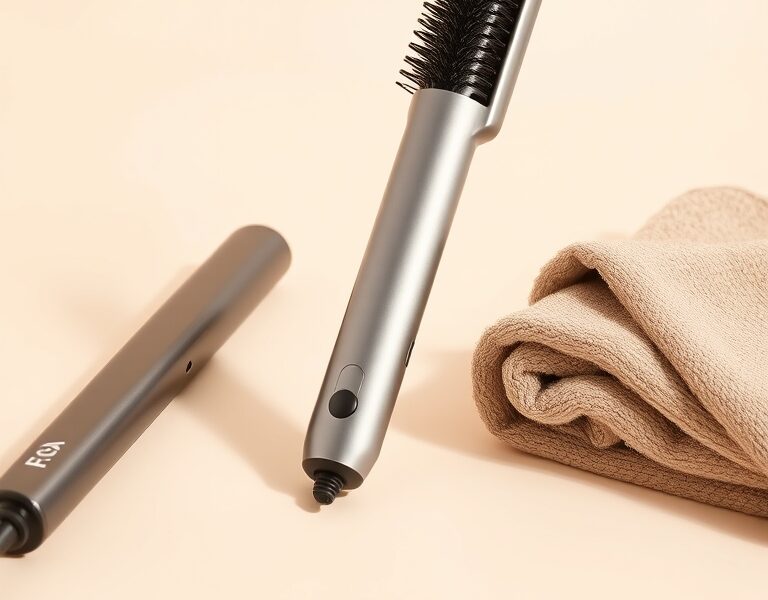
If you’ve ever stared at a flat iron in a salon or online store, the question that pops up is what size flat iron should i get? It’s more than a size chart; it’s about matching your hair’s texture, thickness, and styling routine to the right plate width.
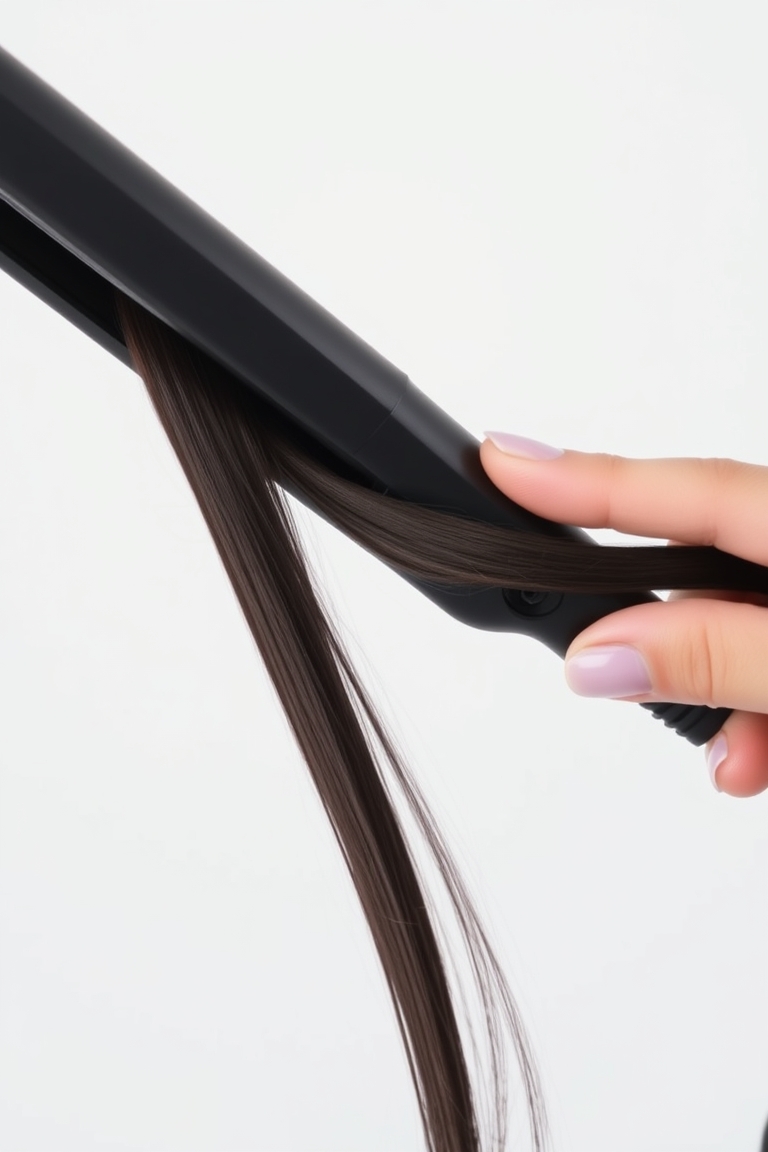
Plates come in a handful of standard widths: 0.5‑inch, 0.75‑inch, 1‑inch, 1.25‑inch, 1.5‑inch, and the occasional 2‑inch. Each one is engineered to spread heat over a specific surface area, which in turn determines how many strands you can glide over in a single pass and how evenly the heat is delivered.
Fine hair—think of a strand that feels like a feather—thrives on narrow plates. A 0.5‑inch or 0.75‑inch iron lets you fit between strands without concentrating heat on a single spot, which reduces the risk of scorching the cuticle. The quick heat-up time also means you can straighten a section in a few seconds, keeping overall exposure low.


Medium‑thick hair, which most people fall into, finds its sweet spot around the 1‑inch plate. This size offers a balanced trade‑off: enough surface area to cover a decent amount of hair, yet small enough to maintain control during detailed work. Many everyday straighteners, like the ghd Classic 1‑inch, are built around this width because it works for a wide range of textures.
When you’re dealing with thick, coarse, or naturally coiled hair, a 1.25‑inch to 1.5‑inch plate is the go‑to. The larger plate spreads heat over a broader area, so you can glide the iron over multiple strands in one go. That not only saves time but also limits the cumulative heat each strand receives. For the most heavily textured hair, a 2‑inch plate—though rare—can be a lifesaver, but most users find 1.5‑inch to be more than sufficient.
Heat settings play a critical role in how a plate width performs. Narrow plates heat up quickly and can reach 365°F or higher in just a few seconds, making them ideal for fine hair that needs a fast, low‑risk heat application. Wide plates, on the other hand, spread heat over a larger area, so they don’t need to hit as high a temperature to achieve the same straightening effect. Most modern irons let you dial the temperature from 200°F to 400°F, giving you the flexibility to match the plate width to your hair’s needs.
Before you commit to a purchase, run a quick test. Take a small section of hair, apply a heat‑protectant spray, and run the iron at your chosen temperature. If the hair feels hot to the touch within 30 seconds, a narrow plate may be too aggressive. If it takes a full pass to straighten, you might need a wider plate. This simple experiment will give you a clear sense of how the plate width interacts with your hair type.
Plate shape matters too. A flat, rectangular surface is perfect for straightening, while a beveled or slightly curved edge can help wrap hair around the plate for tighter curls. Some irons, like the Dyson Supersonic, use a slightly angled plate that encourages the hair to coil naturally, giving you a more effortless curl without a separate curling iron.
Never skip the heat protectant. A lightweight spray such as Garnier Fructis Protect & Shine or a leave‑in conditioner creates a barrier that protects the cuticle from direct heat. Apply it evenly before every session, and keep the temperature setting within a safe range for your hair’s thickness.
Travelers will appreciate a narrow‑plate iron for its compactness and lighter weight. A 0.75‑inch model typically weighs around 1.2 pounds and folds into a slim case that fits comfortably in a carry‑on. Many brands, like Conair’s 0.75‑inch travel iron, come with a built‑in safety lock and a detachable cord for easy packing.
Brand selection can make a difference. The ghd Classic 1‑inch is renowned for its ceramic coating and even heat distribution, making it a favorite for fine to medium hair. For those on a budget, Remington’s 0.75‑inch flat iron offers solid performance at a fraction of the price. If you’re willing to invest, the Dyson Supersonic’s 2‑inch plate and bladeless design deliver salon‑level results while keeping heat damage to a minimum.
Maintenance keeps your iron working like new. After each use, wipe the plates with a soft, lint‑free cloth to remove product buildup. Periodically check the heating element for any discoloration or uneven heating. If you notice hot spots, it’s time to replace the iron.
Store your flat iron in a cool, dry place. Avoid leaving it plugged in for extended periods, as this can drain the battery or degrade the heating element over time. Most irons come with a heat‑resistant stand; use it to keep the metal plates off surfaces that could be damaged by residual heat.
Cleaning is quick and effective. Dip a cotton swab in isopropyl alcohol, wipe the edges of the plates, and let them dry. This removes any stubborn residue and keeps the heat surface smooth, ensuring consistent performance.
Check the warranty before you buy. Many manufacturers offer a one‑year limited warranty that covers manufacturing defects. Read the terms carefully—some warranties exclude damage from improper use or accidental drops.
In short, the answer to what size flat iron should i get is a match between plate width, hair thickness, and styling goals. Narrow plates excel for fine hair and precision curling, medium plates provide versatility for everyday straightening, and wide plates shine with thick or coiled hair. By considering these factors, you can choose a flat iron that delivers salon‑quality results while protecting your hair’s health.
Ready to find the perfect iron? Start by measuring your hair’s thickness at the roots, decide whether you need a quick straightening or a long‑lasting hold, and then choose a plate width that aligns with those needs. Once you’ve made your pick, pair it with a reliable heat protectant, practice a test run, and you’ll be styling like a pro in no time.
For more in‑depth guidance on heat protectants and proper application techniques, visit our guide. If you’re curious about the science behind heat styling, the Wikipedia article on heat styling offers a technical perspective on temperature, surface area, and material composition.
FAQ
- what size flat iron should i get? The best size depends on your hair’s thickness, your styling goals, and how much time you want to spend. Narrow plates (0.5‑0.75 inches) are ideal for fine hair, medium plates (1 inch) suit most users, and wide plates (1.25‑1.5 inches) are best for thick or coiled hair.
- How do I determine if my hair is fine or thick? Feel a small section of hair between your thumb and forefinger. If it feels light and delicate, it’s likely fine. If it feels dense and has a noticeable weight, it’s probably thick.
- Can I use a narrow flat iron on thick hair? Yes, but you’ll need more passes to straighten thick strands, which can increase heat exposure and risk damage.
- What plate width is best for creating curls? A slightly narrower plate (0.75‑1 inch) allows the hair to wrap around the edge more effectively, giving tighter curls.
- Do I need a separate flat iron for traveling? A compact, narrow‑plate iron is usually sufficient for travel, as it’s lightweight and easier to pack.
Leave a Reply