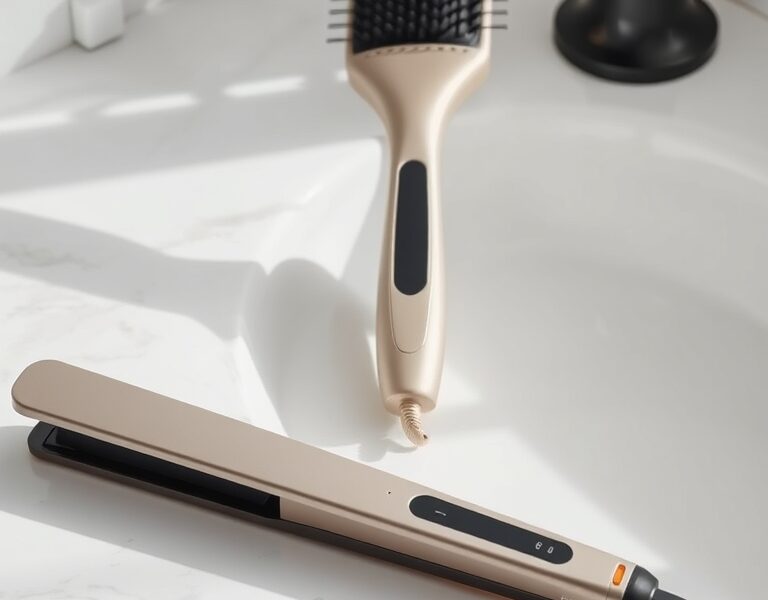
When the morning alarm blares and you’re already late, the decision between a flat iron vs straightening brush can feel like a split second choice. Yet the tool you pick sets the tone for the rest of the day—whether you’re heading to a boardroom, a brunch date, or a casual walk in the park.
What’s Really Happening Inside Your Hair?
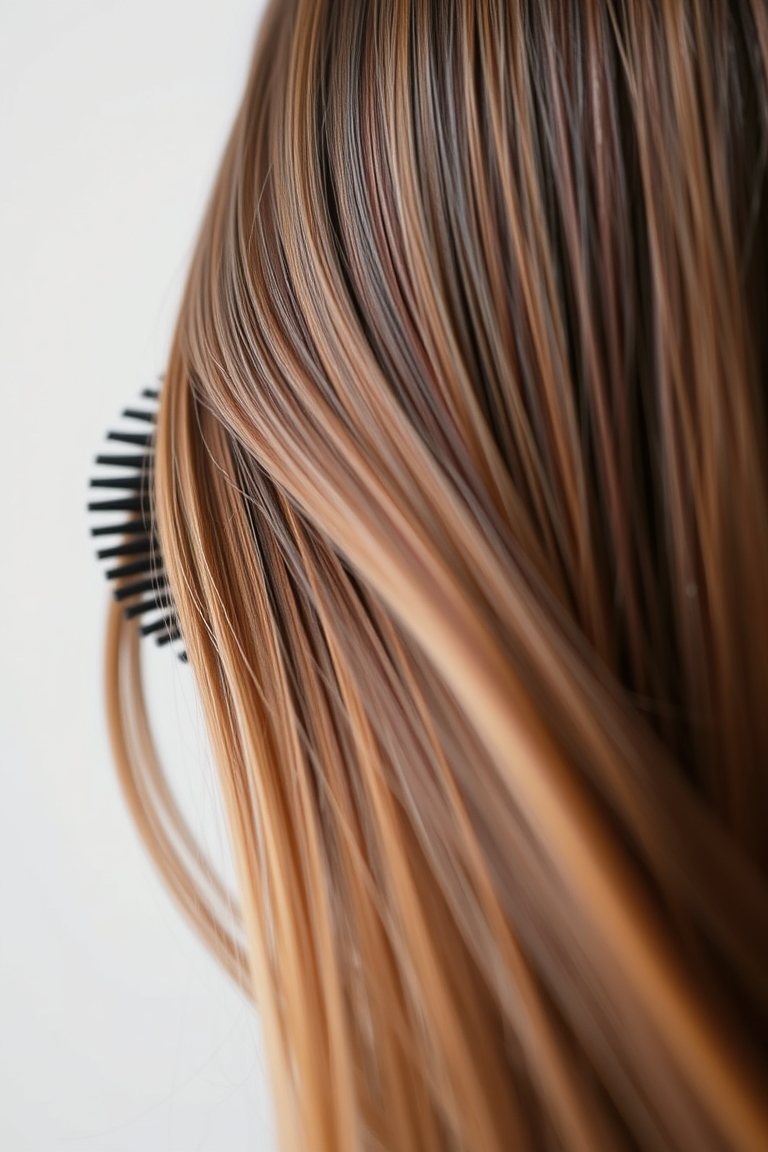
Hair is a living, breathing structure made of keratin proteins. Those proteins are bound together by hydrogen bonds and a few weaker forces. When you apply heat, those bonds break, letting the hair shaft change shape. When the heat is removed, the bonds reform, locking in the new form. That’s the science behind every straightening session.
A flat iron works by sandwiching each strand between two heated plates. The pressure and heat from both sides push the hair into a new, straight configuration. A straightening brush, on the other hand, uses heated bristles that glide through the hair, applying heat from the inside out while simultaneously combing. It’s less about crushing the strand and more about coaxing it into alignment.


Flat Iron: The Precision Powerhouse
When the goal is a flawless, glass‑slick finish—think runway looks or a polished office style—a flat iron is often the go‑to. The double‑plate design ensures that heat touches every side of the shaft, which is why you’ll see brands like GHD, Paul Mitchell, and Dyson investing heavily in ceramic and titanium plates.
When a Flat Iron Truly Shines
- Combatting Frizz on Coarse Hair: The tight compression seals the cuticle, making the hair less prone to humidity.
- Pin‑Straight Mastery: A well‑heated iron can produce that razor‑smooth look that turns heads in the elevator.
- Multi‑Tasking: From curls to waves to a quick flip, a high‑quality iron can handle it all.
- Short Cuts: Narrow plates let you get close to the scalp, perfect for bobs or pixie cuts.
The Heat‑Damage Trade‑Off
Because the plates press directly against the hair, the risk of scorching is real. A single pass at a high temperature can melt the hair’s outer layer, leading to split ends or a brittle feel. That’s why many pros recommend a temperature range of 350–410°F (175–210°C) for most hair types, and a cooler setting for fine or chemically treated strands.
Straightening Brush: Speed Meets Ease
If you’re a serial snoozer, the straightening brush is your ally. It can cover half the hair in a fraction of the time it takes a flat iron because you’re moving larger sections at once.
Why the Brush Wins When Time Is Tight
With a flat iron, you often need to section your hair meticulously—top, middle, bottom—to avoid missing spots. A brush lets you glide through the entire length in one smooth motion. While it won’t give you that razor‑shiny finish, it does an excellent job of taming waves and smoothing out flyaways.
When a Brush Is Your Best Friend
- Quick Touch‑Ups: A few strokes can rescue a damp strand or a stubborn curl.
- Volume Preservation: Because it doesn’t clamp the hair to the scalp, it leaves the roots lifted.
- Beginner‑Friendly: The bristles act as a buffer, reducing the chance of burning the hair.
Which Tool Gives You the Straightest Hair?
The answer hinges on your definition of “straight.” If you want the kind of sleek, limp look that lasts for days, the flat iron is the clear winner. It physically flattens the cuticle, reflecting more light and creating that signature shine. For those with very curly or kinky hair, it’s often the only tool that can fully straighten a strand in a single pass.
However, if you’re after a polished, natural look that still feels lived‑in, the straightening brush excels. It creates a soft, blow‑out vibe that mimics a salon finish without the heavy compression.
Heat Safety and Hair Health
Heat is a double‑edged sword. To keep your strands healthy, a heat protectant is non‑negotiable. These sprays form a barrier that slows heat transfer, preventing the proteins in your hair from “cooking.”
Heat Distribution Matters
Flat irons can reach up to 450°F (230°C), which is great for thick hair but can be brutal for fine or bleached strands. Straightening brushes typically operate at 300–350°F (150–175°C) and spread heat through their bristles, so the intensity is lower at any single point.
In practice, I reserve the flat iron for special occasions and use the brush for daily maintenance. This rotation protects the hair’s elasticity and reduces the cumulative heat load.
Step‑by‑Step: Mastering Both Tools
Flat Iron Technique for a Sleek Finish
- Start with Bone‑Dry Hair: Never use a flat iron on damp hair. The water inside the shaft turns to steam, causing permanent damage.
- Section Wisely: Clip the top, middle, and bottom layers. This keeps the strands organized and prevents overlapping.
- Use a Comb as a Guide: Place a fine‑tooth comb in front of the iron. Glide the iron while the comb aligns the strands, ensuring even contact.
- One Smooth Pass: Move slowly and steadily. If a section isn’t straight, adjust the temperature rather than re‑pass.
Straightening Brush for a Natural Look
- Detangle First: Use a regular brush to remove knots. A heated brush isn’t meant for detangling; doing so can cause breakage.
- Dry Hair Is Key: While some brushes can handle damp hair, dry hair yields the safest and most consistent results.
- Work in Manageable Sections: Even though you can cover more hair than with an iron, avoid overloading the bristles. Thick hair may need smaller sections to ensure heat penetrates.
- Glide from Root to Tip: Slow, deliberate strokes give the hair time to straighten naturally.
Choosing Based on Hair Type
Hair is as diverse as the people who wear it. Here’s a quick guide to help you pick the right tool for your texture.
Fine or Thin Hair
Fine strands are delicate. I recommend a straightening brush or a flat iron set to the lowest temperature. Heavy compression can flatten the hair and leave it lifeless. If volume is your priority, the brush’s lift at the roots is a major advantage.
Thick or Coarse Hair
Thick hair demands more heat and pressure. A straightening brush may tame the thickness but won’t fully straighten it. A flat iron with titanium or ceramic plates—like the Dyson Airwrap or the GHD Platinum—carries heat efficiently and delivers a polished look.
Curly or Kinky Hair
For tight coils, the flat iron is the primary straightening weapon. Yet a hot brush can be a lifesaver for the roots, giving lift before you slide the iron down the lengths. Many pros combine both tools in a routine: start with a brush for volume, then finish with an iron for a sleek finish. Check out straightening tools that are specifically engineered for this dual approach.
Quick Comparison Chart
- Flat Iron: High precision, maximum sleekness, versatile (curls/straight), slower process, higher risk of heat damage.
- Straightening Brush: Fast, natural volume, easy to use, limited to straightening, lower risk of heat damage.
Maintenance Matters
Over time, product buildup—hairspray, serums, dry shampoo—can clog the plates or bristles, creating hot spots that damage hair. Clean your tools monthly:
- Flat iron: Use a damp (not wet) microfiber cloth on cool plates.
- Straightening brush: Gently pry out trapped hairs with a toothpick or a soft brush.
Frequently Asked Questions
Flat iron vs straightening brush: which is better for daily use?
For most people, the straightening brush wins for daily styling. It’s quicker, easier to handle, and gentler on the cuticle, reducing the cumulative heat exposure that can lead to breakage.
Can I use a straightening brush on wet hair?
Not unless the product is explicitly labeled “wet‑to‑dry.” Applying high heat to wet hair can cause the water to vaporize instantly, damaging the shaft.
Will a straightening brush make my hair as straight as a flat iron?
No. A brush smooths and relaxes but doesn’t flatten the cuticle to the same degree. For a pin‑straight, glass‑like finish, a flat iron is indispensable.
Do I need a heat protectant for a hot brush?
Absolutely. Even though a brush feels gentler, the temperatures are still high enough to dry out the hair. A heat protectant spray or serum shields the strands from thermal stress.
Which tool is better for adding volume?
The straightening brush excels at volume because it doesn’t clamp the hair to the scalp. You can lift the roots while brushing, giving a fuller, more natural look.
Final Takeaway
There’s no one‑size‑fits‑all answer. If you crave the ultimate sleekness and are willing to invest a bit more time and care, a flat iron is your best bet. If you prioritize speed, ease, and a natural lift, the straightening brush is the go‑to. Remember to pair either tool with a high‑quality heat protectant and a thoughtful routine that respects your hair’s unique needs. With the right choice, you’ll walk into any room with confidence and a head full of beautiful, healthy hair.
Leave a Reply